Wedoany.com Report-Nov. 11, China's soybean imports hit a record for the sixth month in a row, as buyers boosted acquisitions from South American suppliers amid ongoing trade frictions between Beijing and Washington.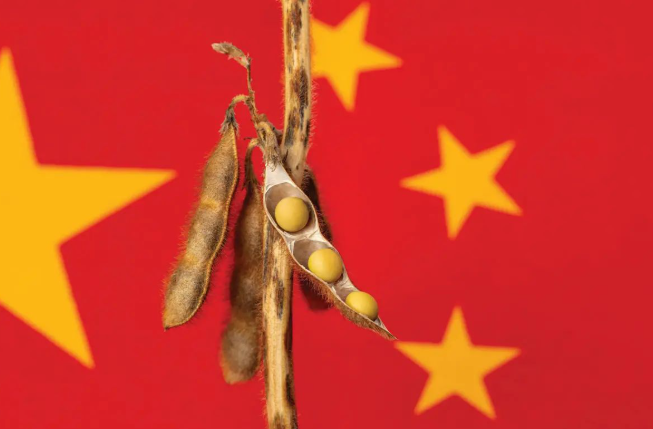
Data from the General Administration of Customs shows October 2025 imports at 9.48 million tonnes, a 17.2 percent rise from October 2024 and the highest for any October on record.
“Soybean imports in October reached a monthly record as processors rushed to purchase as much as possible, seeking to ensure stable production and avoid potential price spikes in Brazil caused by delays in Chinese shipments to the US,” noted Wang Wensheng, an analyst at Sublime China Information.
Monthly imports from May through October established successive highs. Consequently, the first ten months of 2025 saw a 6.4 percent year-on-year gain, totaling 95.68 million tonnes.
October volumes dropped 26.3 percent from September, in line with usual seasonal patterns. “In September, Brazilian old-crop soybean shipments reached their final stages, providing a high baseline for comparison,” noted Liu Jinlu, researcher at Guoyuan Futures.
“October is typically the time for the US to harvest the new soybean crop, but due to the trade suspension between China and the US, new crop shipments have virtually ceased,” she added.
Following a recent leaders' meeting between China and the US, initial buys of American farm goods resumed on a limited basis. Market participants anticipate larger soybean orders after reports that Beijing pledged to acquire 12 million tonnes by year-end.
Observers point out that the 13 percent tariff on soybeans renders US supplies less competitive for business users relative to Brazilian alternatives.
Lately, importers secured 20 cargoes of cost-effective Brazilian soybeans, capitalizing on declining South American prices in expectation of renewed US activity. Meanwhile, COFCO obtained three cargoes of US soybeans prior to the high-level discussions.
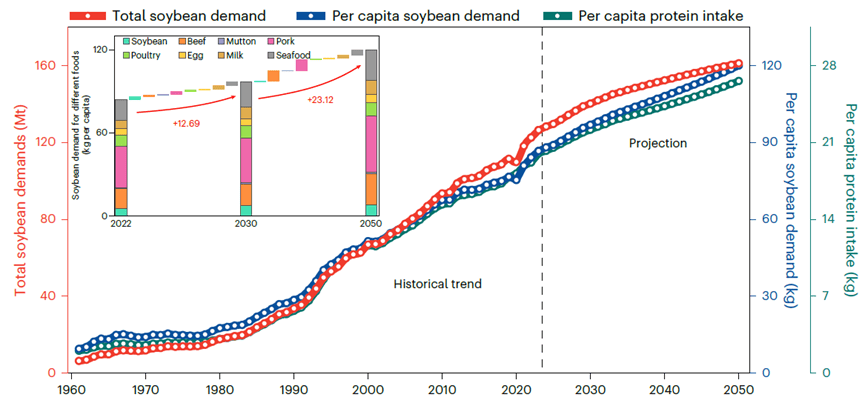
This import surge underscores China's strategy to secure ample supplies for its vast feed and oil sectors, which rely heavily on soybeans for livestock nutrition and edible oils. Brazil's expanded harvests have met the heightened demand, stabilizing global prices despite logistical hurdles.
The shift toward South American sources highlights diversified sourcing amid market uncertainties, ensuring continuity in processing operations. Processors' proactive stockpiling mitigates risks from potential disruptions, supporting steady output of soy meal and oil.
Year-to-date totals reflect robust domestic consumption, driven by population growth and rising protein needs in animal husbandry. Seasonal dips, like October's, align with harvest cycles, allowing inventory management without supply gaps.
Prospective US purchases could balance import origins, fostering varied supply chains. COFCO's moves signal early steps toward fulfilling commitments, potentially easing pressures on Brazilian logistics.
Overall, these trends affirm China's pivotal position in world soybean trade, promoting resilience through strategic volume adjustments and supplier engagement. Sustained records bolster food security, contributing to agricultural stability across the region.