Wedoany.com Report-Nov. 17, The Yumeshima Container Terminal at the Port of Osaka has obtained carbon neutral port certification from Japan's Ministry of Land, Infrastructure, Transport and Tourism for berths C10, C11, and C12. The designation applies to these specific docking areas within the facility.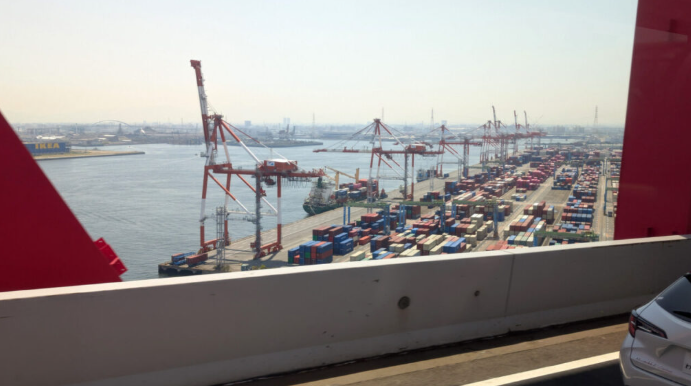
Representatives from Kobe-Osaka International Port Corporation joined Dream Island Container Terminal, Evergreen Shipping Agency (Japan), Osaka Port Corporation, and the city of Osaka at the certification event.
This recognition supports Japan's national objective to achieve zero greenhouse gas emissions from port activities by 2025. The ministry promotes operational improvements focused on reducing carbon outputs and infrastructure development for alternative fuels such as hydrogen and ammonia.
The three berths earned a 2++ rating, representing the second such approval granted to facilities within the Hanshin Ports area.
In April, Mitsubishi Logisnext Co., Ltd., a subsidiary of the Mitsubishi Heavy Industries Group, supplied an enhanced container terminal gate system to Dream Island Container Terminal Co., Ltd.
The certification process evaluates multiple aspects of port management, including energy efficiency, equipment electrification, and renewable power integration. Compliant terminals demonstrate measurable progress toward sustainable handling practices.
Yumeshima's modern layout facilitates large vessel accommodation and efficient cargo flow. The certified berths handle significant container volumes, contributing to regional trade networks.
Decarbonization efforts encompass shore power connections for docked ships, allowing engines to shut down while connected to land-based electricity. LED lighting, solar panels, and optimized crane operations further lower energy demands.
Green fuel readiness involves designing bunkering stations and storage for low-emission alternatives. This prepares the terminal for future vessel types using cleaner propulsion.
The 2++ grade indicates advanced implementation beyond basic requirements. It reflects investments in monitoring systems that track emissions in real time and adjust processes accordingly.
Collaboration among port operators, shipping lines, and local authorities streamlines adoption of best practices. Shared data platforms support coordinated planning for fleet transitions.
Evergreen's involvement highlights carrier commitment to sustainable routes. Aligned terminal capabilities ensure seamless service for eco-friendly schedules.
Osaka's municipal support includes policy frameworks that incentivize green upgrades. Funding mechanisms assist smaller operators in meeting standards.
The new gate from Mitsubishi Logisnext incorporates automated inspection and digital documentation. This reduces truck idle times and paper usage, complementing broader emission goals.
Hanshin Ports' growing roster of certified areas positions the region as a leader in maritime sustainability. Cumulative improvements across facilities amplify environmental benefits.
Ongoing audits verify continued compliance, with potential for higher ratings through additional measures. Expansion plans consider carbon metrics from the design phase.
This milestone encourages knowledge exchange with other Japanese ports pursuing similar status. Standardized approaches accelerate nationwide progress toward the 2025 target.
Terminal enhancements maintain operational reliability while advancing ecological objectives. Balanced implementation ensures trade continuity alongside responsibility.
As global supply chains evolve, certified ports attract partners prioritizing low-impact logistics. Yumeshima's achievement strengthens its competitive standing in international shipping.