Wedoany.com Report-Nov. 17, Drilling and blasting activities are in progress in Romania for the Robeți Tunnel, a key component of the Sibiu–Pitești section of the A1 motorway. The 900m tunnel requires the removal of 200,000m³ of material and the use of 70 tonnes of explosives. The contracting team plans to use approximately 60,000m³ of concrete and 4,000 tonnes of reinforcement to complete the tunnel structure.
When the Sibiu-Potesti stretch of Romania’s A1 motorway is complete, this will boost trade and tourism for the historic region of the country
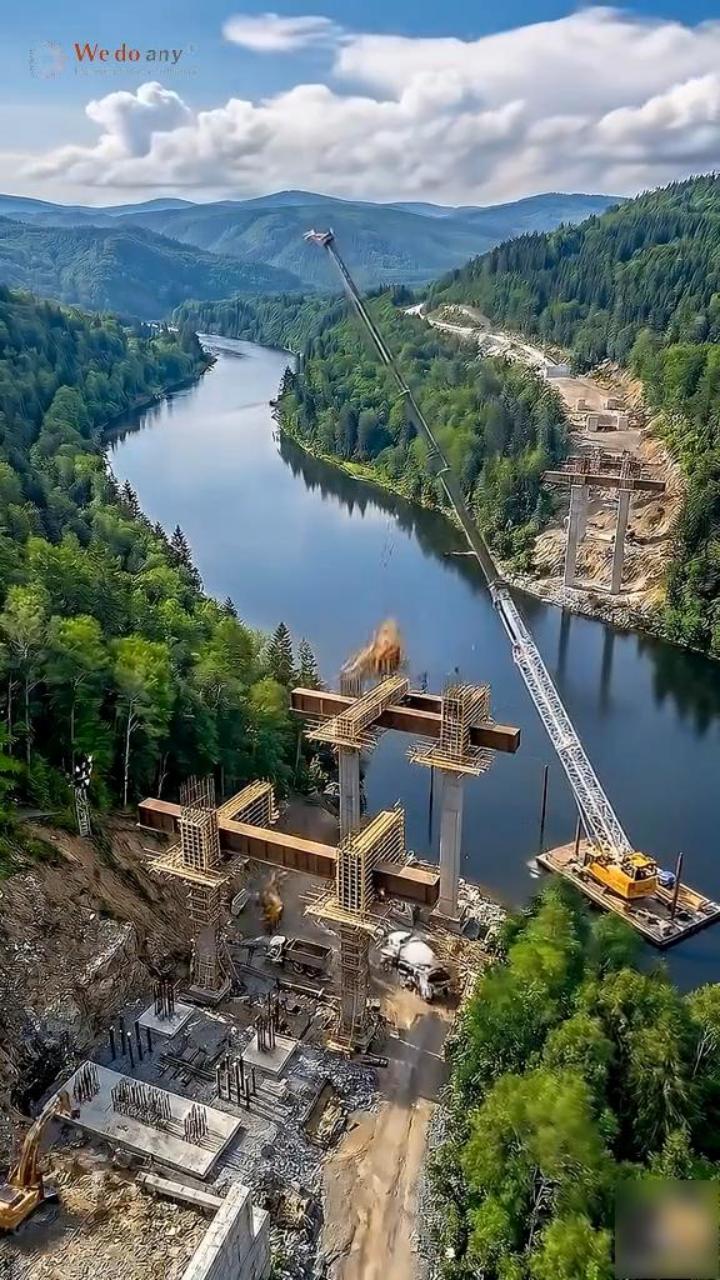
Section 2 of the motorway, located between Boița and Cornetu, extends slightly over 31km. The terrain is mountainous, making construction highly complex. This section involves building 48 viaducts and bridges, along with seven tunnel segments. The total cost is estimated at €836m, and completion is scheduled for 2028. Construction is being carried out by a Turkish consortium consisting of Cengiz and Mapa, under the oversight of the National Road Infrastructure Administration Company (CNAIR).
Section 3 faces similar challenges, as its 37.4km alignment also passes through mountainous terrain. This contract, valued at around €1bn, has been awarded to the Italian company Webuild. A tunnel boring machine is being used to drive the 1.78km Poiana Tunnel, which forms part of this section. According to the project team, the use of the TBM is intended to support progress through difficult geological conditions while maintaining safety standards.
In Section 4, the 1.35km Momaia Tunnel is being constructed by Austrian contractor PORR. This section continues the series of infrastructure works required to achieve continuity along the A1 motorway corridor.
At the same time, progress is underway on Romania’s A7 highway project. The 96km route will connect Focani and Bacu. The construction work is being carried out collaboratively by Technostrade, Spedition, and SA & PE Construct, with project management handled by MVA. The A7 project is considered an important component of Romania’s broader transport development programme and aims to improve regional connectivity.
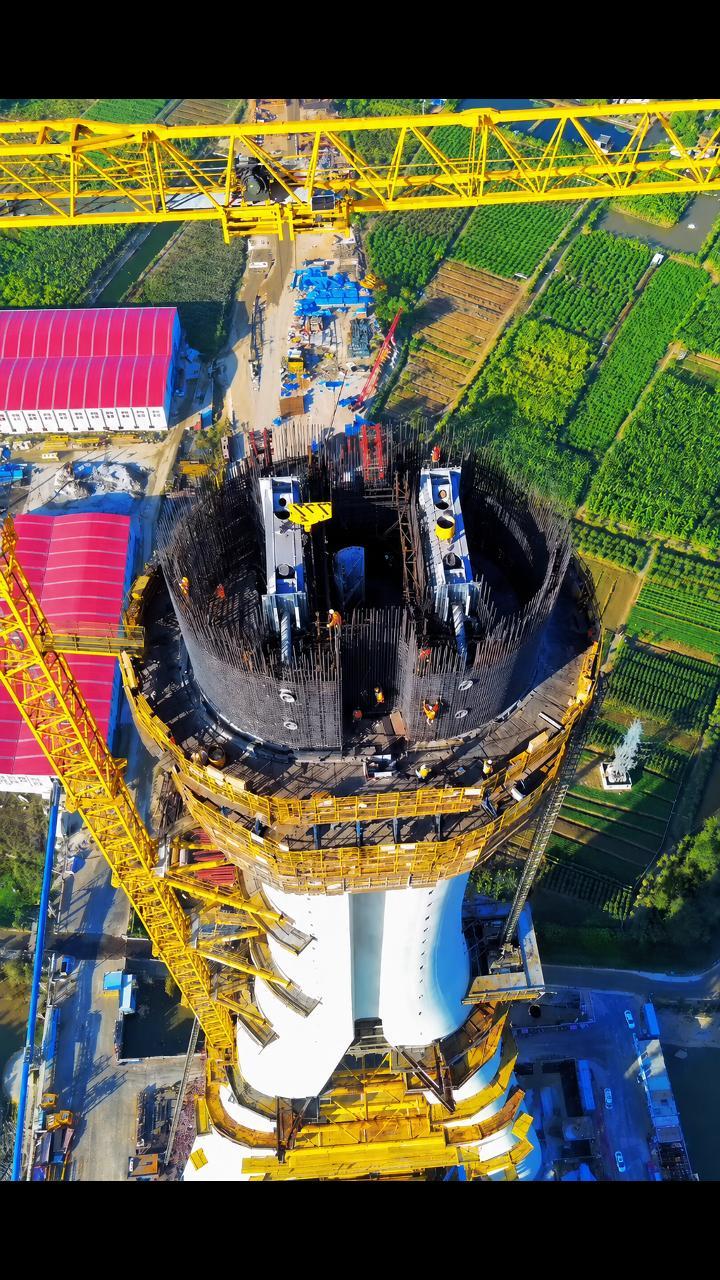
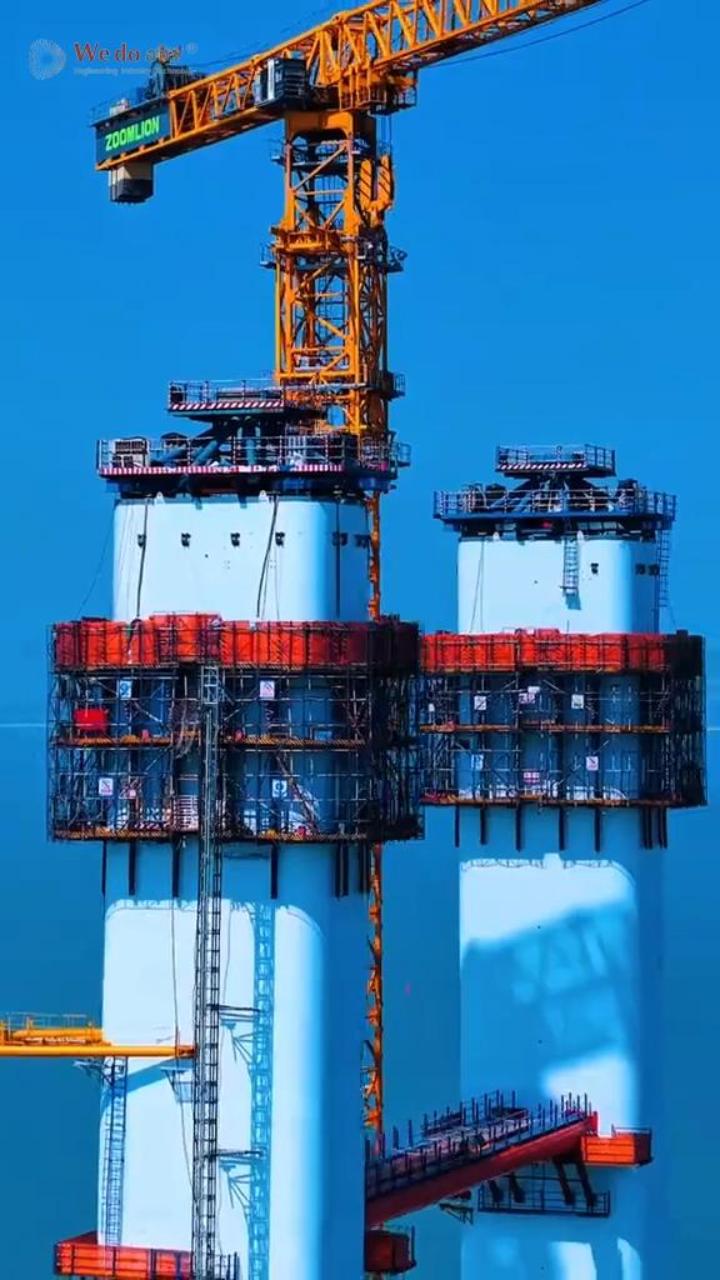
Across all sections, the motorway and highway works reflect a combination of tunnelling, bridge construction, and extensive earthworks required in areas with complex topography. The use of both conventional drilling and blasting and mechanised tunnelling technologies highlights the varied engineering approaches necessary for different geological conditions.
Project authorities noted that the Sibiu–Pitești motorway is expected to enhance long-term transport efficiency and support mobility across central Romania once completed. The ongoing A7 route development is intended to complement these upgrades by providing additional north-south capacity.