Syria Receives Over 134 Thsd Tons of Wheat From Ukraine and Russia
Wedoany.com Report-Nov. 19, Syria continues its systematic efforts to replenish its strategic wheat reserves following a challenging domestic harvest, exacerbated by years of drought. To ensure a stable supply of milling wheat and maintain the distribution of subsidised bread across the country, Syria has received five vessels carrying over 134,000 tonnes of grain from Ukraine and Russia. These shipments, delivered to the coastal ports of Lattakia and Tartous, are part of a regular program aimed at securing the country’s wheat supply and ensuring food security, especially in light of the ongoing challenges in domestic wheat production.
The Syrian Grain Corporation, which oversees the management of wheat imports, confirmed that these shipments are proceeding smoothly and without delays. According to Hasan Othman, the Director General of the Syrian Grain Corporation, “We closely monitor vessel arrivals and coordinate every stage – from unloading to storage – to guarantee quality and timely supply to mills.” This level of oversight is essential, given the critical nature of wheat imports for Syria’s food security, as domestic production remains insufficient to meet the country's needs.
Syria's wheat production has been severely impacted by years of drought and other environmental challenges, leaving local output far below what is required to satisfy the nation’s demand. As a result, wheat imports have become a vital part of Syria's strategy to prevent food shortages and ensure the availability of basic staples, such as bread, to the population. The government has turned to international suppliers, such as Ukraine and Russia, which have remained consistent sources of wheat throughout the ongoing conflict and economic difficulties.
The most recent shipments were preceded by three vessels that arrived on 9 November 2025, bringing over 70,000 tonnes of wheat to the port of Tartous. These vessels are part of a broader series of contracts signed with private suppliers, ensuring that Syria has continuous access to this essential commodity. The government’s efforts to maintain a stable supply of wheat are crucial for both the population's daily needs and the broader goal of stabilizing the economy amidst the ongoing challenges faced by the nation.
These wheat deliveries are also part of Syria's broader efforts to secure food supplies amid the ongoing conflict, economic sanctions, and the long-term effects of environmental instability. The strategic management of wheat reserves is essential to prevent any disruptions to the subsidised bread program, which is a key support system for the population.
In conclusion, Syria's continued wheat imports from Ukraine and Russia highlight the importance of international cooperation and private sector involvement in maintaining the country’s food security. The Syrian government’s proactive steps to monitor and manage wheat shipments, along with its strategic planning, play a vital role in mitigating the effects of domestic agricultural shortfalls.
Related Products


Industrial and Commercial Point-Type Gas Detector
Jinan Benan Technology Development Co., Ltd.
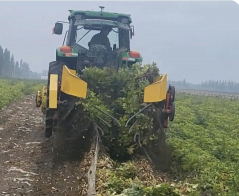
4HS-8 High-efficiency Peanut Inverted-laying Harvester
Hebei Yongfa Hongtian Agricultural Machinery Manufacturing Co., Ltd.



714CD Series C-Band Weather Radar
Chengdu Zhongdian Jinjiang Information Industry Co., Ltd.