Wedoany.com Report-Nov. 20, A research team in China has developed organic solar cells (OSCs) that combine a protective interfacial layer with advanced encapsulation, achieving both high efficiency and excellent long-term stability.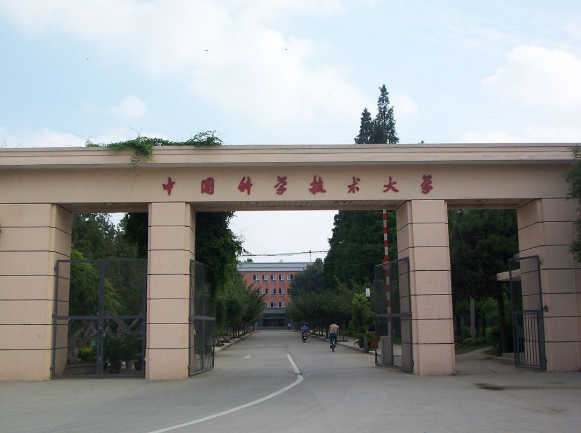
University of Science and Technology of China
The best-performing device reached a certified power conversion efficiency of 18.0% and retained 94% of its initial performance after 1,032 hours of damp-heat testing at 85 °C and 85% relative humidity, as well as after 200 thermal cycles between –40 °C and 85 °C. These results meet the stringent ISOS-D-3 and ISOS-T-3 stability protocols.
“We confirmed that OSC can be intrinsically and extrinsically stable under damp-heat and thermal cycling tests,” said Chang-Qi Ma, corresponding author of the study.
The team, from the Suzhou Institute of Nano-Tech and Nano-Bionics (Chinese Academy of Sciences), University of Science and Technology of China, Henan University, Hyper PV Technology, and Anhui Yangde Temperature Control Technology, introduced several key innovations.
First, temperature-dependent UV-visible absorption spectroscopy was used to determine the onset temperature for molecular movement in polymer blends, enabling rapid screening of thermally stable donor-acceptor combinations.
Second, a thin buckminsterfullerene (C60) interlayer was inserted between the active layer and the molybdenum trioxide (MoO3) hole-transport layer in inverted cells. This effectively prevented thermally induced interfacial degradation and eliminated early-stage “burn-in” efficiency loss.
Third, the researchers developed two-dimensional moisture-diffusion models to quantify water-vapor ingress through edges. Based on these models, they applied a 200 μm-thick aluminum-foil butyl-tape (ABT) hot-press encapsulation that significantly reduced lateral moisture penetration.
The optimized inverted cell structure consisted of ITO/zinc oxide/active layer/C60/MoO3/silver. Among tested blends, the PM6:BO-4Cl:PC61PeA combination delivered the highest certified efficiency of 18.0%, placing it among the top reported values for this architecture.
The study, titled “Improved damp heat and thermal cycling stability of organic solar cells,” was published in Nature Energy. The authors note that the combined approach offers a practical pathway to commercially viable organic photovoltaic devices.
Future work will focus on applying the stability enhancements to large-area modules and developing cost-effective printable thin-film barriers, while continuing to study long-term operational degradation mechanisms.