Seaspan Eyes Nuclear-Powered Boxships
Wedoany.com Report-Nov. 30, A new report commissioned by Seaspan Corporation – the world's largest independent containership owner – and conducted by Lloyd's Register and LucidCatalyst concludes that nuclear-powered containerships using small modular reactors (SMRs) could save operators up to $68 million annually per vessel while eliminating greenhouse gas emissions.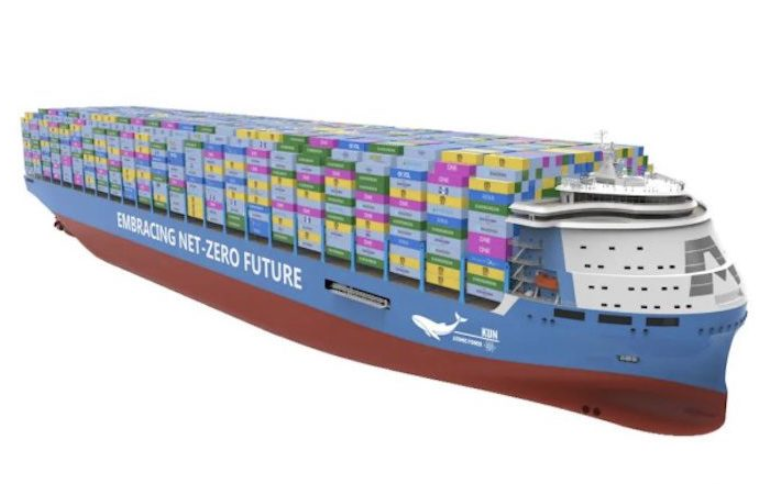
The study shows that a 15,000 TEU nuclear-powered vessel travelling at 25 knots – approximately 39 percent faster than conventional ships – could complete 6.3 round voyages per year compared to 5 for fuel-powered equivalents. Combined with an additional 5 percent cargo capacity gained by removing large fuel tanks, this would increase annual container throughput by up to 38 percent.
For operators, the largest savings would come from eliminating bunker fuel costs of up to $50 million per year and avoiding an estimated $18 million in carbon-related charges.
The report estimates that a committed industry order book exceeding 1,000 reactor units over 10–15 years could drive production costs down to $750–1,000 per kilowatt – substantially lower than traditional large-scale nuclear plants. Each reactor module would operate for around five years between refuelling and could be serviced during standard drydock periods, providing independence from global bunkering infrastructure.
Total system costs could fall below $4,000/kW with fuel expenses under $50/MWh if an intensive development programme begins promptly, potentially achieving commercial readiness within four years.
Market projections suggest global deployment of 40–90 GW of marine nuclear capacity by 2050, depending on regulatory progress and industry commitment.
The analysis recommends forming a cross-industry consortium to establish a competitive, requirements-led supply chain that ensures multiple suppliers, avoids single-vendor dependency, and supports innovative reactor and fuel-leasing models to manage initial investment costs while maintaining safety standards.
Peter Jackson, chief technology officer at Seaspan, said: "Naturally, there are challenges to overcome, but I am confident that ongoing work in this area and studies like this will soon allow nuclear-powered containerships to be operating safely, economically, and emission-free."
Eric Ingersoll, managing partner at LucidCatalyst, added: "Nuclear propulsion transforms shipping economics, not just emissions. Our analysis shows that nuclear-powered containerships will likely outcompete conventionally fuelled and green fuelled competitors—dominating their trading routes through superior performance without requiring green premiums. The key to unlocking this advantage is organising the market through sophisticated supply chain and technology strategies."
The current report represents the first phase of a three-stage initiative. Subsequent phases will address detailed concept design, regulatory engagement with shipyards, ports, and nuclear authorities, followed by a comprehensive implementation roadmap covering certification, risk management, and investment frameworks for fleet-scale adoption.
Related Products



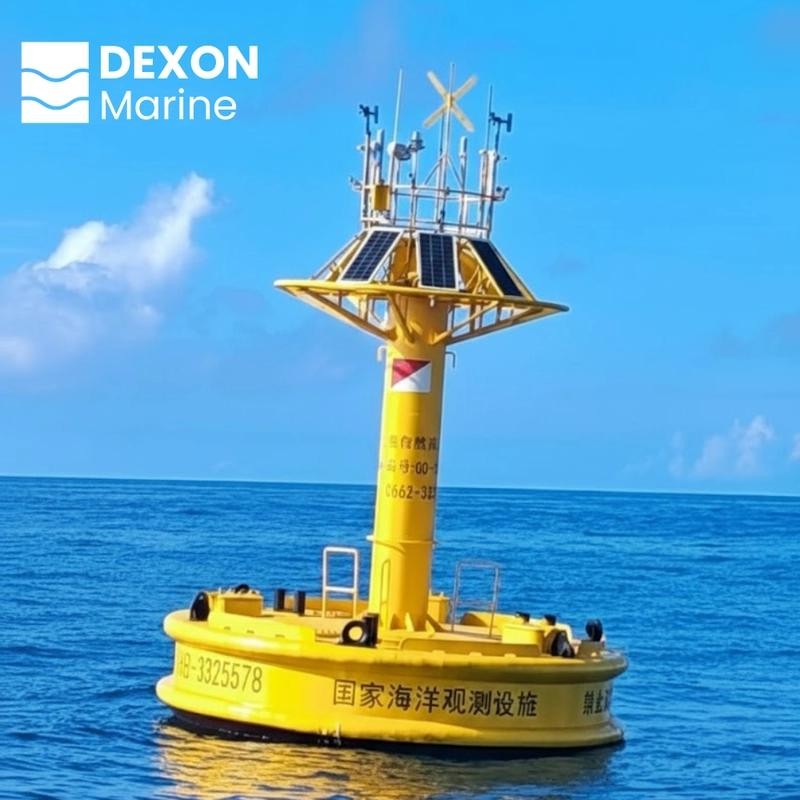
3m intelligent buoy combining navigation safety and real-time marine monitoring integrated navigation and marine monitoring system for real-time maritime data
Chengdu Dixin Technology Co., Ltd.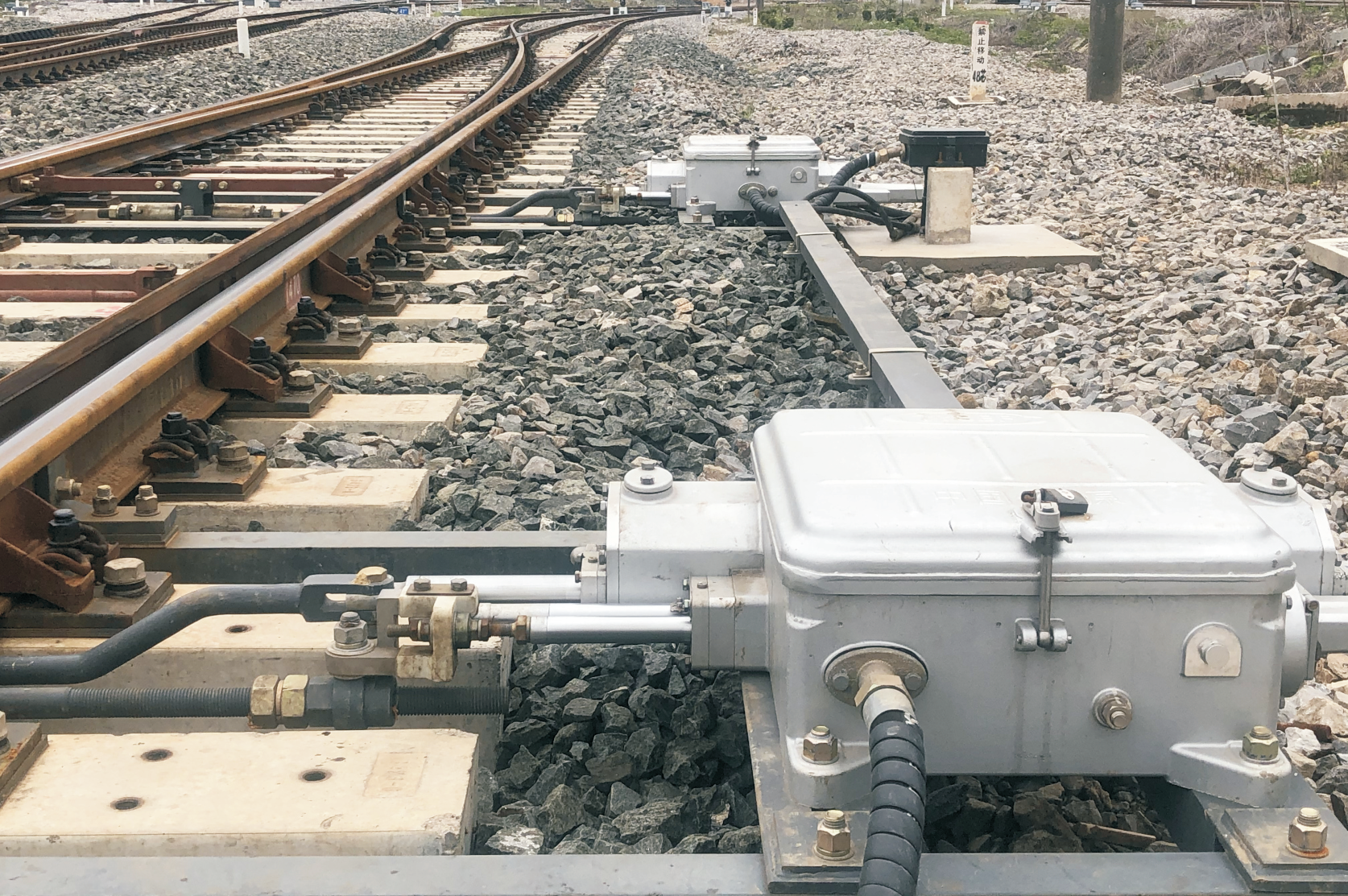
ZY(J)7(M) Sealed Type Electro-Hydraulic Turnout Machine
TAIYUAN CR JINGFENG EQUIPMENT TECHNOLOGY CO., LTD.

Wheel and Track Technology Business
Beijing Research & Design Institute of Rubber Industry Co., Ltd.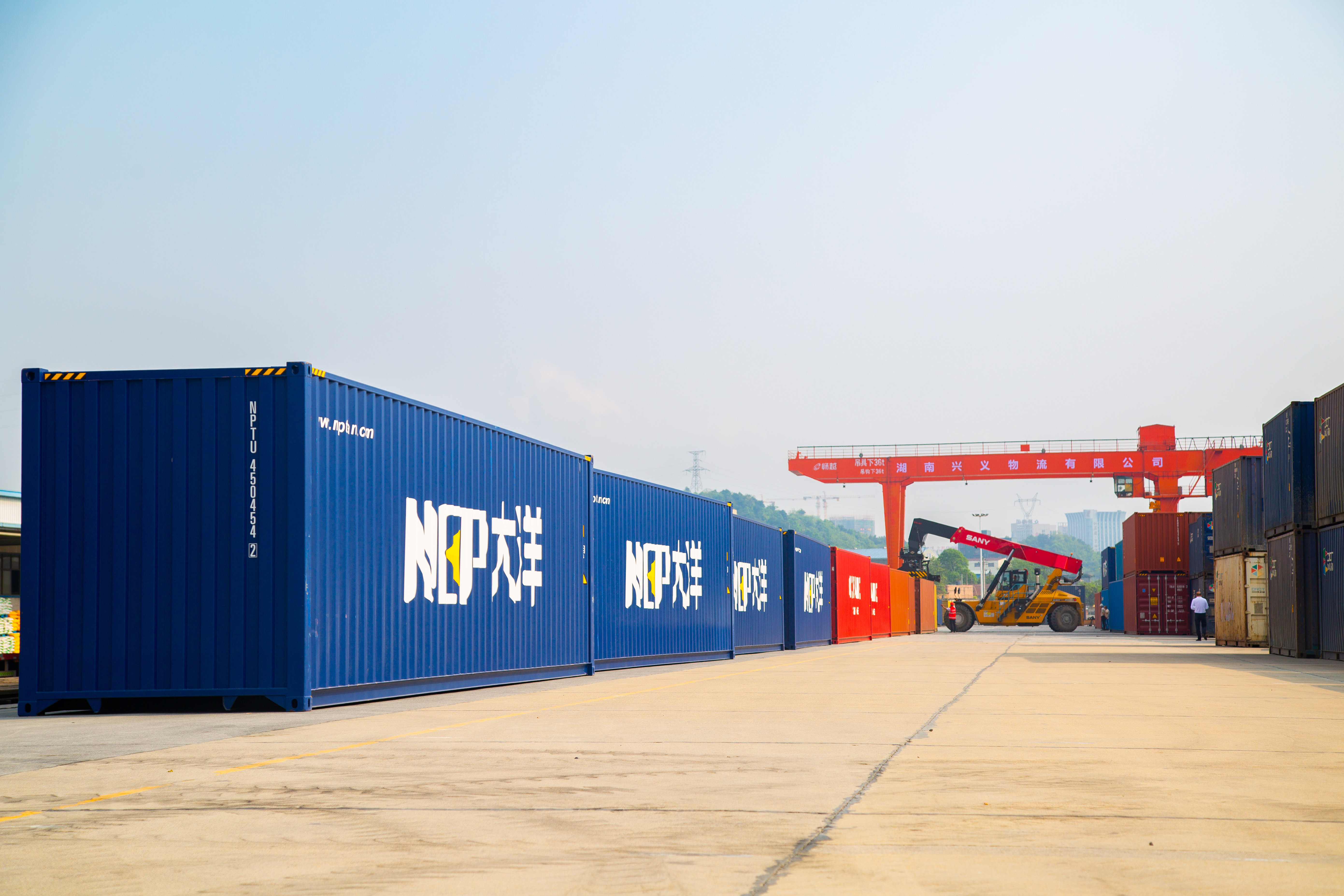
China - Alashankou/Khorgos - Europe Full Range Transportation (Mala/Hamburg/Duisburg/Budapest, etc.)
Shenzhen Neptune Logistics Co., Ltd.

CLW5180TXSD6 Dongfeng Tianjin Washing and Sweeping Truck
ChengLi Special Automobile Co., Ltd.