Vietnam’s Feed Demand Trimmed but Still Growing
Wedoany.com Report-Nov. 28, Vietnam's animal feed demand for 2026 has been adjusted downward to 29.2 million tonnes from an earlier estimate of 29.5 million tonnes, according to the latest Foreign Agricultural Service (FAS) report from the US Department of Agriculture. The revision reflects smaller swine and cattle herds and rising exports of domestic feed ingredients.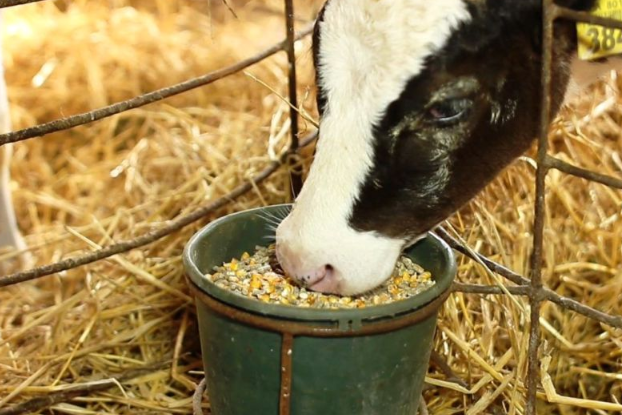
Total feed use is still projected to grow from 28.3 million tonnes in 2025, driven primarily by continued expansion in aquaculture. Imports of key ingredients – including corn, soybean meal, distiller's dried grains with solubles, and feed wheat – are forecast at 23.9 million tonnes, supplemented by 5.3 million tonnes from local production.
The swine population fell 0.6 percent due to the impact of African swine fever, particularly on smaller farms, while larger integrated operations maintained stability through biosecurity measures. Poultry numbers rose 3.7 percent, but cattle continued to decline.
Vietnam's feed ingredient exports surged 29 percent in the first eight months of 2025, with China remaining the main destination. The FAS noted: "This sharp increase in feed exports, combined with strong domestic feed demand, highlights the growing importance of Vietnam’s feed industry in both domestic and international markets."
Domestic corn production for marketing year 2025-26 is now expected at 4.1 million tonnes from 810,000 hectares, supported by favourable weather and wider use of imported hybrid seeds. Companies such as De Heus are expanding contract farming in the Central Highlands to raise yields, reduce costs, and increase the share of locally sourced corn in feed formulation.
Corn consumption for 2025-26 is revised upward to 16.05 million tonnes, with imports forecast to reach 12.5 million tonnes, mainly from Argentina (56 percent) and Brazil (22 percent). Lower global prices for corn and DDGS have encouraged greater inclusion by feed producers.
Rice harvested area for 2025-26 is slightly increased to 6.85 million hectares, yielding an estimated 41.6 million tonnes of paddy. Falling paddy prices have prompted some farmers to shift land to higher-value fruit and vegetable crops. New high-yield, high-quality rice varieties are being developed to strengthen competitiveness against major exporters.
Rice exports for 2025-26 are now projected at 8 million tonnes (down from earlier forecasts), and 2024-25 exports are adjusted to 8.1 million tonnes. Increased global competition, particularly after India lifted export restrictions, and stronger domestic production support in importing countries have softened demand for Vietnamese rice.
The FAS report underlines Vietnam’s evolving role as both a significant consumer and an increasingly active exporter of feed raw materials while the livestock and rice sectors continue structural adjustments.
Related Products



714CD Series C-Band Weather Radar
Chengdu Zhongdian Jinjiang Information Industry Co., Ltd.


Industrial and Commercial Point-Type Gas Detector
Jinan Benan Technology Development Co., Ltd.
MH220E Two-Row Hybrid Packaged Cotton Picker
CHINA RAILWAY CONSTRUCTION HEAVY NDUSTRY XINJIANG CO., LTD.
4HS-8 High-efficiency Peanut Inverted-laying Harvester
Hebei Yongfa Hongtian Agricultural Machinery Manufacturing Co., Ltd.