Wedoany.com Report-Nov. 29, India is exploring options to assure Canadian farmers of continued access to its market for pulse crops, particularly lentils and peas, to encourage sustained production of these important protein sources. Indian High Commissioner to Canada, Dinesh Patnaik, shared this during a visit to Saskatchewan on Thursday while attending the Agribition farm show.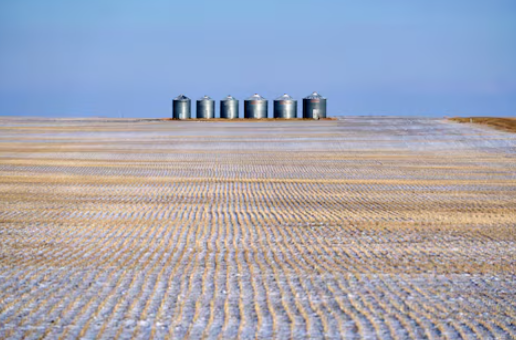
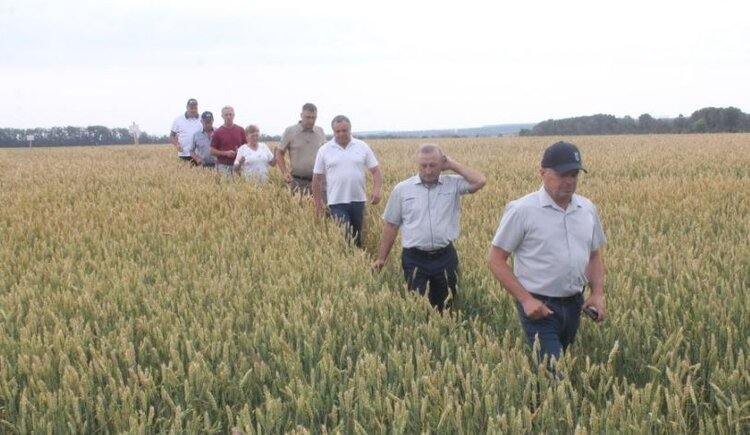
A view of farmers' grain storage bins in a field near Claresholm, Alberta, Canada January 18, 2025.
Canada remains one of the world's leading exporters of lentils and peas to India, competing closely with Australia for the top position in lentils and sharing major supply of peas with Russia. However, Indian farmers recently requested protection, leading New Delhi to impose a 30% import duty on yellow peas effective November 1.
During his visit, Patnaik explained that both governments are actively examining solutions: "whether we can have a quota, whether we can have a lesser tariff, whether we can have a different system of how we can make sure that in the long run pulses from Canada go regularly to India."
Many Canadian growers at the event expressed concern that the combination of India's new duty and separate high tariffs on peas in another major market could make the crop unprofitable for the 2026 season. Several indicated they may switch to alternative crops if market conditions do not improve.
The High Commissioner emphasized that India will continue to require imported pulses over the long term, even during years of strong domestic harvests. He noted that temporary import measures are intended to support local Indian producers by maintaining reasonable domestic prices, adding that India has no interest in seeing Canadian farmers permanently reduce pulse planting.
India maintains a long-term goal of achieving greater self-sufficiency in pulse production to meet its large and growing domestic demand. At the same time, officials recognize the value of reliable international suppliers to ensure food security and price stability for consumers.
Discussions between the two countries are part of broader efforts to strengthen agricultural trade ties. Leaders from both nations have also agreed to resume talks toward a comprehensive bilateral trade agreement as diplomatic and economic relations continue to warm under Canadian Prime Minister Mark Carney.