Wedoany.com Report-Dec.7, Latest data from the U.S. Energy Information Administration (EIA) confirms that battery energy storage and utility-scale solar continue to lead new power capacity additions, while net fossil-fuel capacity records a further decline.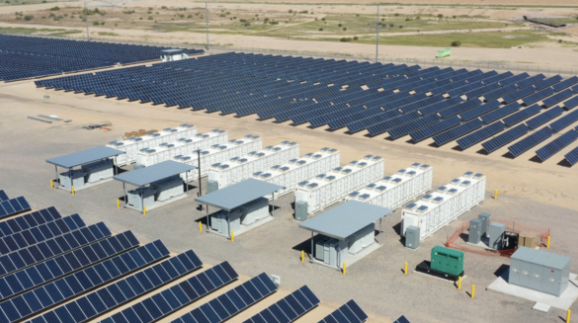
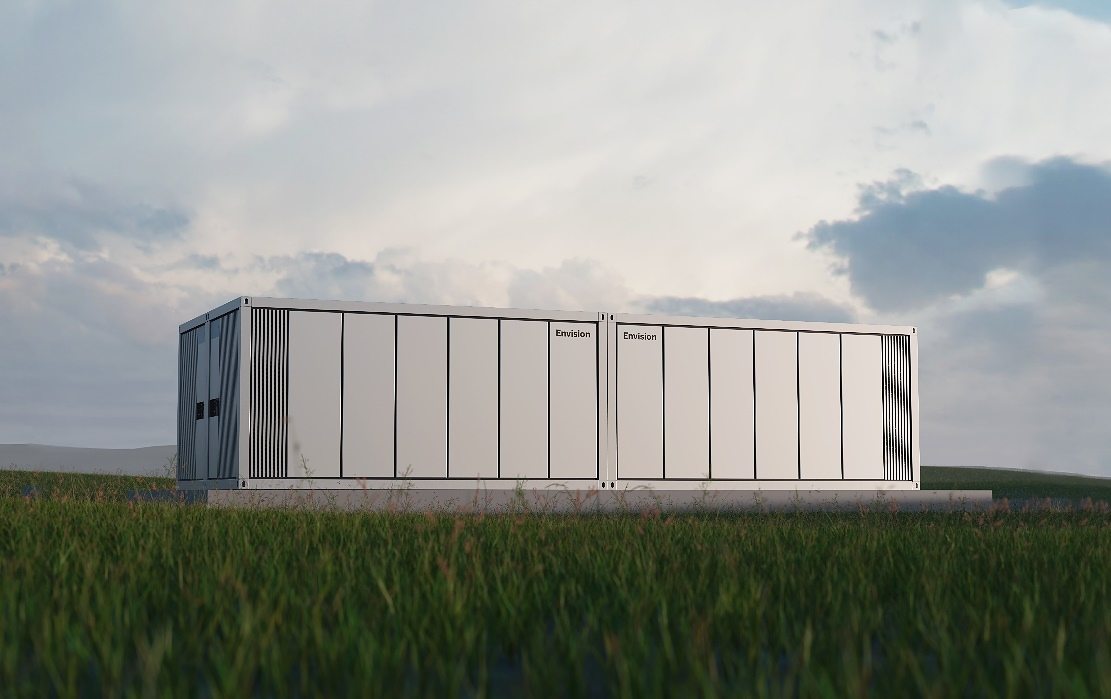
Over the 12 months ending November 2025, operating battery energy storage capacity grew by 13,809 MW, representing a 59.4 percent year-on-year increase. This follows a 66 percent expansion across calendar year 2024, demonstrating sustained rapid growth in the sector.
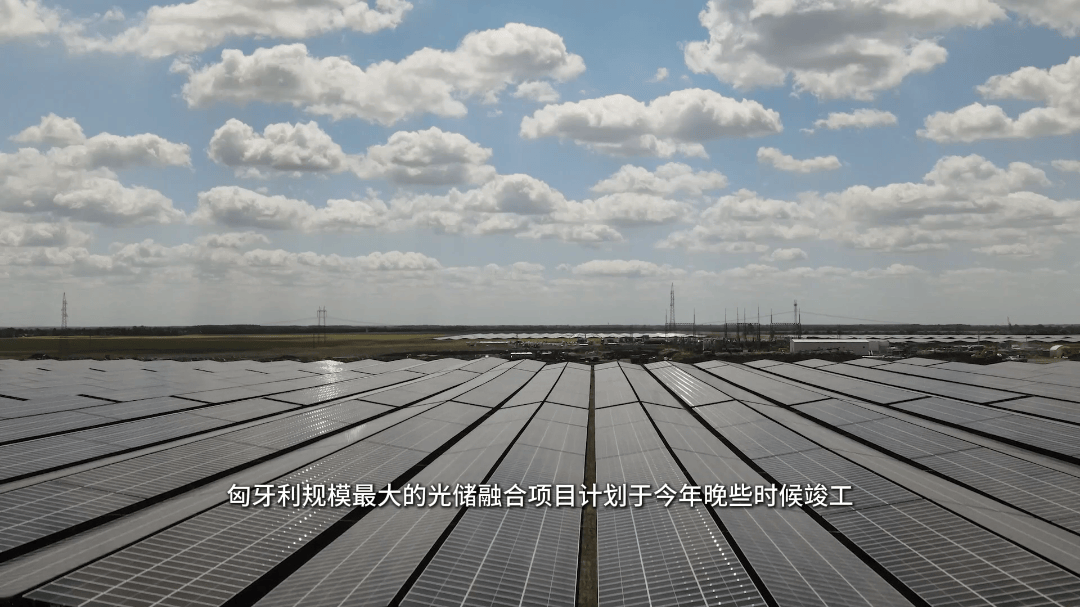
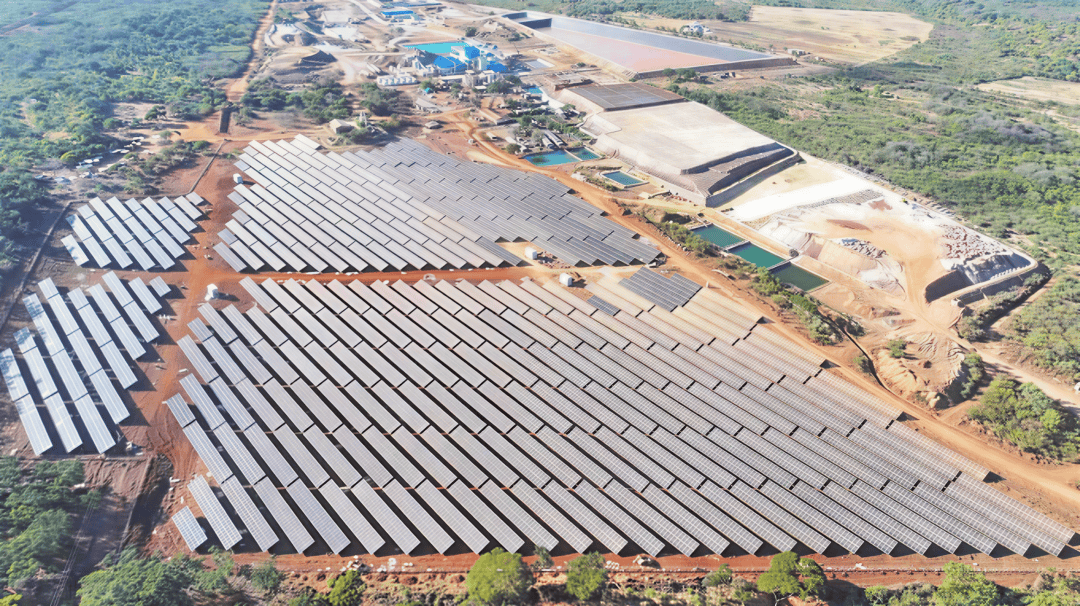
In absolute megawatts added, battery storage ranked second only to solar photovoltaic installations. Utility-scale solar capacity expanded by 31,620 MW during the same period, while natural gas additions totalled 3,417 MW and new nuclear capacity remained negligible.
EIA projections indicate the pace will accelerate further. Developers are expected to commission an additional 22,053 MW of battery storage over the next 12 months, bringing substantial new flexible capacity online across the country.
Geographically, additions remain concentrated in established markets. California and Texas together account for more than 70 percent of the nation's total installed battery capacity, with significant projects also advancing in Arizona and several other states.
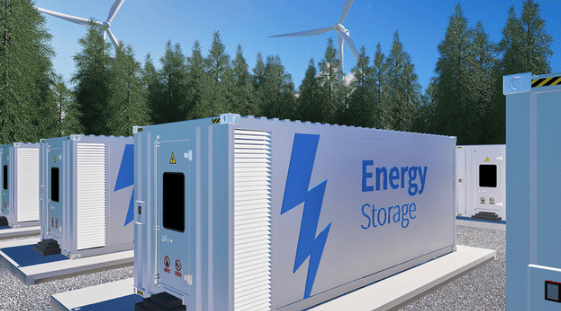
The continuing surge in storage deployment reflects its increasing role in supporting grid reliability, managing peak demand, and integrating higher shares of variable renewable generation. Large-scale batteries provide essential services such as frequency regulation, energy arbitrage, and rapid response to supply fluctuations.
When combined with ongoing solar expansion, these two technologies now dominate the U.S. capacity pipeline. Their combined additions far exceed those of all conventional sources, underscoring a clear structural shift in the domestic power sector.
Industry analysts note that the strong growth trajectory is supported by falling battery costs, improved project economics, and policy frameworks that recognise the value of flexible resources. As more projects reach commercial operation, the national fleet of grid-scale storage continues to mature rapidly.
The latest figures reinforce that battery energy storage has moved from an emerging technology to a core component of the U.S. electricity system, with deployment momentum expected to remain robust through 2026 and beyond.