German Cabinet Approves Draft Biofuels Law, Food-Based Ingredient Use to Continue
Wedoany.com Report-Dec.11, Germany's cabinet approved a draft law on biofuels on Wednesday that permits the continued use of food and feed crops as raw materials for biofuel production, according to a statement released by the Environment Ministry.
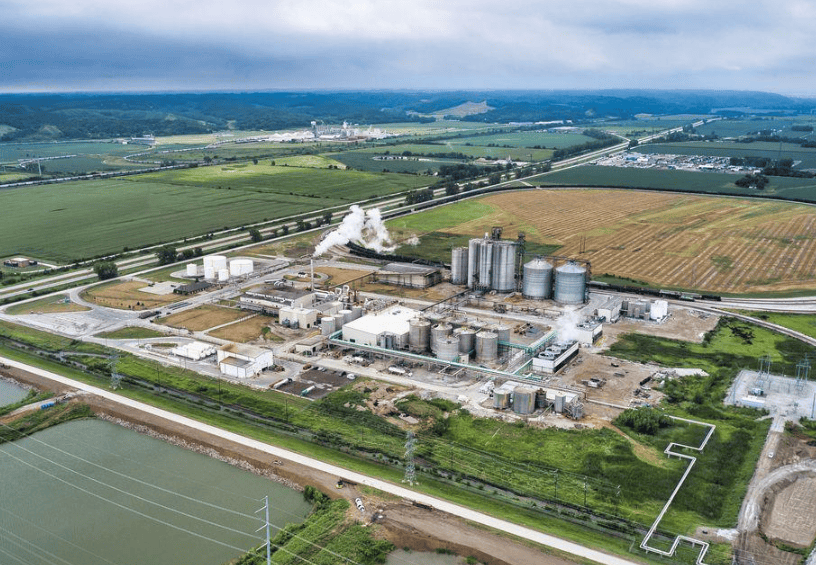
The German climate protection programme requires fuel suppliers to blend biofuels, including biodiesel and bioethanol, with conventional petrol and diesel to lower greenhouse gas emissions from road transport. Companies meet part of their reduction obligations through biodiesel typically derived from rapeseed oil or used cooking oil, and bioethanol produced from wheat, corn or sugar crops.
The previous government coalition had intended to phase out biofuels made from food and feed materials after the February 2025 general election. However, the new draft maintains the existing allowances for such ingredients at current permitted levels.
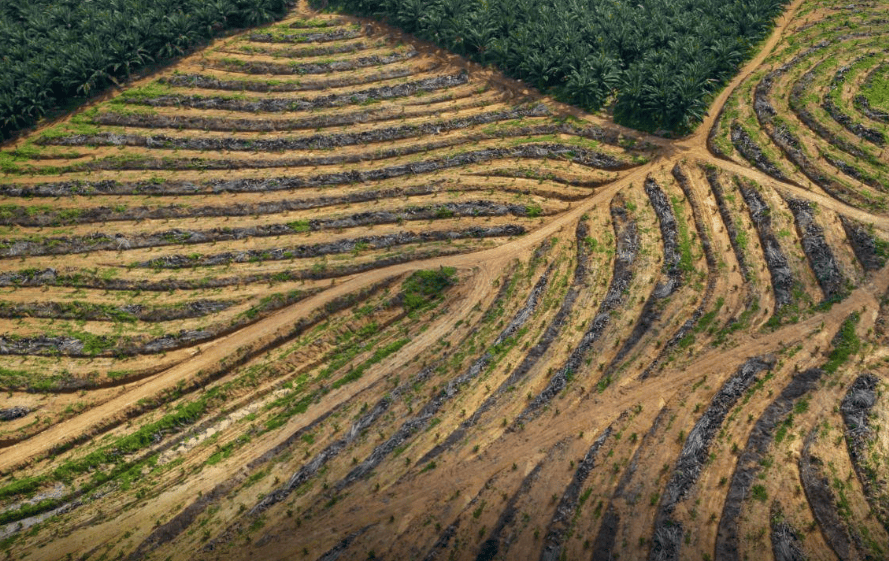
From 2027, palm oil will no longer qualify for greenhouse gas reduction credits due to environmental concerns linked to its cultivation in certain regions, the ministry stated.
The legislation also transposes the European Union's Renewable Energy Directive into national law for the transport, electricity and heating sectors. Publication of the complete text occurred on Wednesday after several delays, and the draft now awaits parliamentary approval.
Additionally, the law will end the practice of double-counting certain advanced and waste-based biofuels. Under the previous system, some materials were credited twice toward mandatory reduction targets.
German oilseed market participants welcomed the decision. "There is overall relief that food and feed based ingredients will continue to be used while the end of double-counting will also be positive," one German rapeseed trader said.
The continued acceptance of crop-based biofuels is expected to provide sustained demand for domestically grown rapeseed, wheat and sugar beet, supporting local agricultural prices and supply chains. The measures apply only to the production and blending of biofuels within Germany and do not affect imports of finished fuels or direct consumption of food and feed crops. The law balances emission-reduction requirements in transport with stable conditions for the domestic farming and oilseed processing sectors.
Related Products
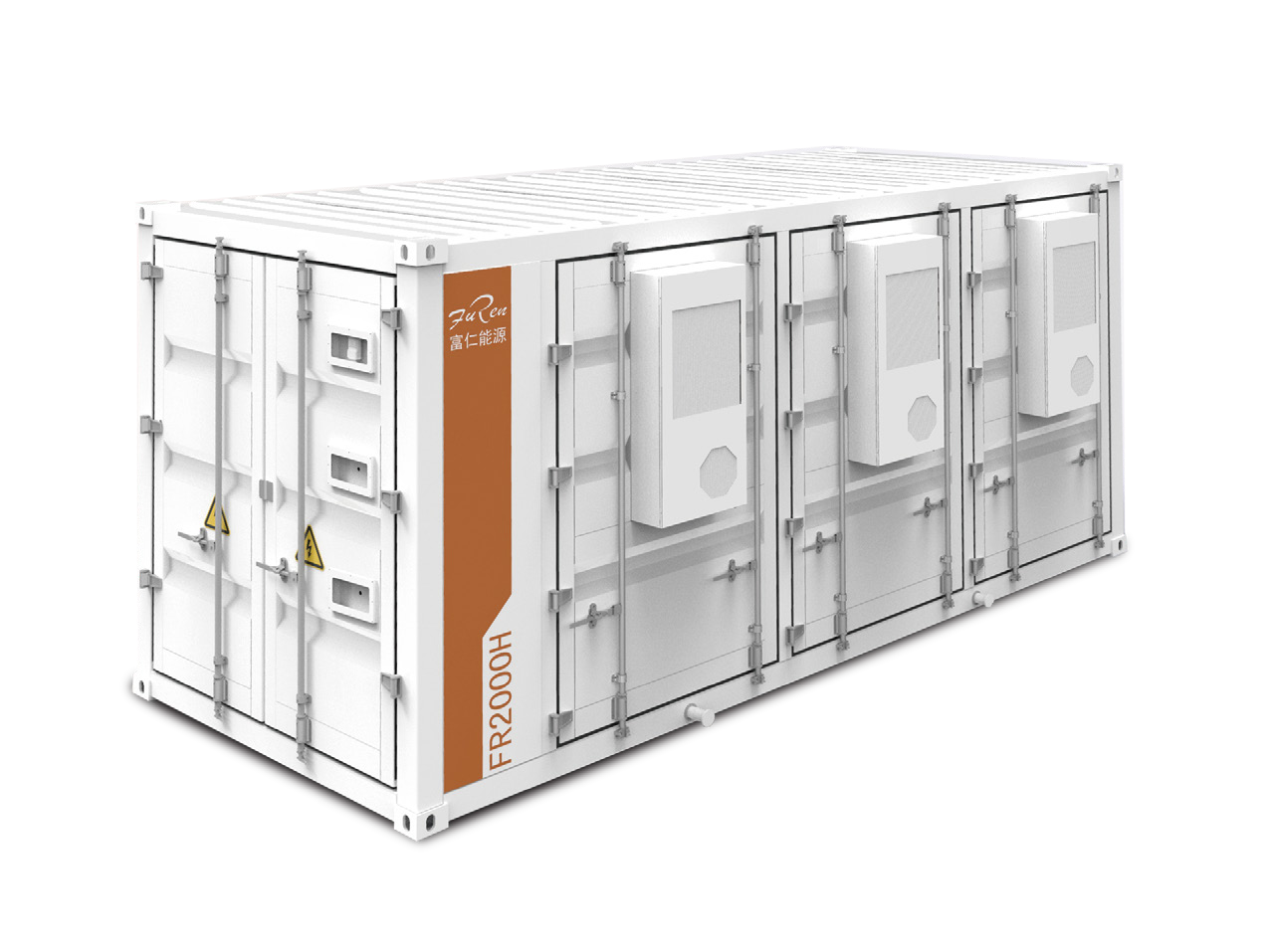

FR2000H 2.15MWh (Air-cooled) 20-foot Containerized Energy Storage System
Jiangyin Furen High-tech Co., Ltd.



Off-Grid Fuel Cell Supercharging Station (180kW Configuration)
Shanghai REFIRE Group Limited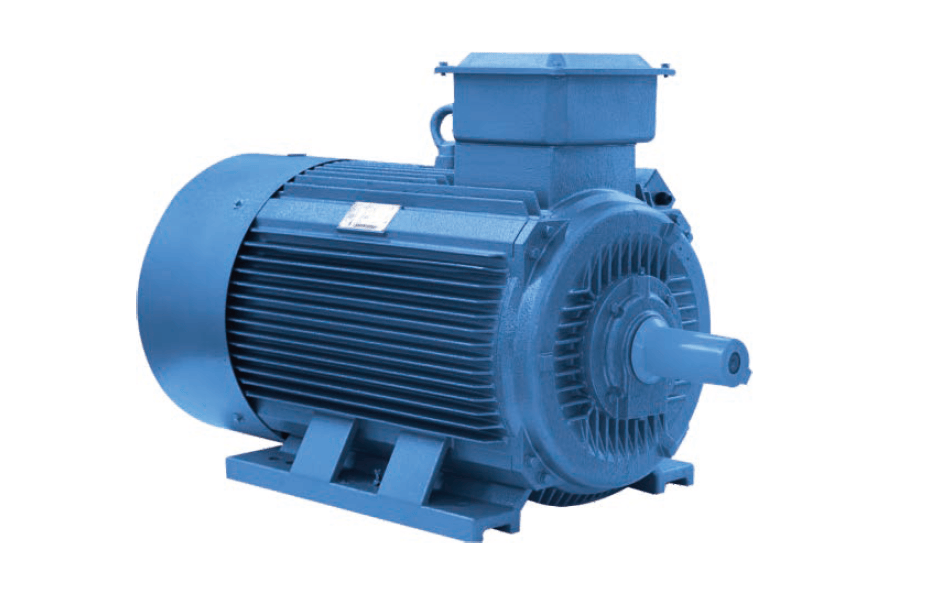
TYC Series High-Efficiency Permanent Magnet Synchronous Motor
Xiangdian Smart Energy Technology Co., Ltd.