Ghana’s Six Point Nine Billion Cedi Oil Palm Investment Wins Industry Backing
Wedoany.com Report-Dec.11, Ghana's 2026 budget includes a GH¢6.9 billion Integrated Oil Palm Development Policy aimed at achieving national self-sufficiency in palm oil production and establishing the country as West Africa's leading palm oil hub. The seven-year programme (2026–2032) will be coordinated by the Tree Crops Development Authority in partnership with the Oil Palm Research Institute and private-sector participants.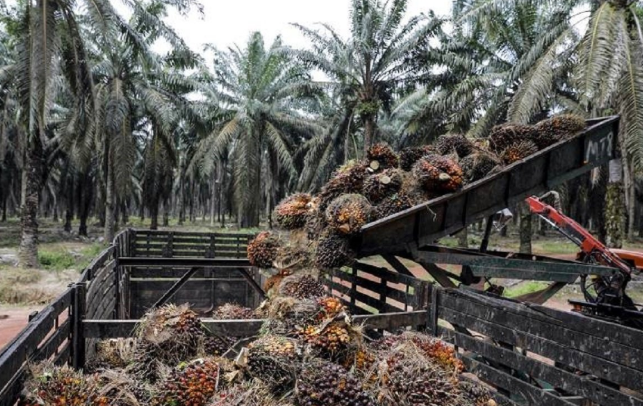
Key targets comprise the establishment of 100,000 hectares of new high-yield plantations and the creation of more than 250,000 direct and indirect jobs, with deliberate emphasis on youth employment and gender inclusion throughout the value chain.
Finance Minister Cassiel Ato Forson presented the policy during the 2026 budget statement to Parliament. A complementary US$500 million Oil Palm Development Finance Window, structured with the World Bank, Development Bank Ghana and other institutions, will provide long-tenure loans carrying a five-year moratorium on principal and interest, concessional rates, and coverage of up to 70% of project costs. This facility addresses the financing difficulties associated with oil palm's extended gestation period of up to seven years.
Samuel Avaala, President of the Oil Palm Development Association of Ghana (OPDAG), welcomed the initiative, noting that the association had been extensively consulted during policy formulation. He described the dedicated financing mechanism as a direct response to long-standing industry requests for instruments suited to perennial crop economics.
The Ghana Small Scale Oil Palm Producers Association also endorsed the programme, calling it a transformational step for the sector.
Currently, Ghana produces approximately 50,000 metric tonnes of crude palm oil annually against domestic consumption of around 250,000 metric tonnes, resulting in imports of nearly 200,000 metric tonnes each year. The policy seeks to close this gap through expanded plantation area, distribution of improved seedlings, mechanisation support, guaranteed offtake agreements for outgrowers, and technology transfer to raise both plantation yields and mill extraction rates to international standards.
Implementation will begin in 2026 with nursery development, land-bank activation, smallholder support schemes, and investments in local processing and refining capacity. The comprehensive approach covers the entire value chain from cultivation and research to downstream refining and market development, with particular attention to inclusive growth for smallholder farmers.
Stakeholders expressed confidence that the combined public investment and specialised financing will substantially strengthen domestic production, reduce import dependence, and generate sustainable economic opportunities across rural communities.
Related Products

4HS-8 High-efficiency Peanut Inverted-laying Harvester
Hebei Yongfa Hongtian Agricultural Machinery Manufacturing Co., Ltd.
Industrial and Commercial Point-Type Gas Detector
Jinan Benan Technology Development Co., Ltd.