IKEA Planning More U.S. Production, Including in N.C.
Wedoany.com Report-Dec.12, IKEA, the prominent Swedish furniture retailer ranked among the top 100 globally, is set to expand its sourcing from American manufacturing facilities. A key development involves a forthcoming plant in North Carolina projected to manufacture over 2 million furniture items annually. This strategic adjustment responds to rising expenses for bringing in goods like shelving units, bedding, and seating from abroad, driven by recent trade duties.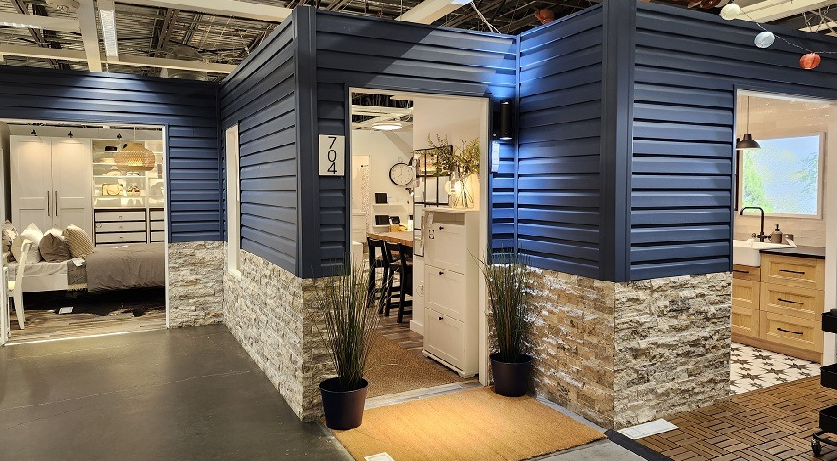
A senior executive in IKEA's supply chain operations shared with Reuters that this represents a substantial change for the organization. The executive emphasized the need to adapt to evolving import costs, which have prompted a reevaluation of production locations to maintain competitiveness in the U.S. market.
Inter IKEA, the entity handling the brand's franchising, previously operated a facility in Danville, Virginia, but discontinued it in 2019, shifting output to European sites. Now, the company is pivoting back toward domestic capabilities through partnerships. Specifically, SBA Home, a supplier based in Lithuania that collaborates with IKEA, is launching its inaugural U.S. production site in Mocksville, North Carolina. This $70 million endeavor receives partial backing from Inter IKEA, underscoring a commitment to localized manufacturing.
The Mocksville operation, situated in Davie County, anticipates generating around 250 positions over a four-year period, with operations commencing in 2026. According to reports from the Triad Business Journal, SBA Home selected this site prior to the intensification of trade duties. IKEA spokespeople have clarified that the initiative to manufacture nearer to American buyers originated before the latest duty increases and forms part of a worldwide effort to optimize supply networks.
In early November, Inter IKEA Group disclosed its fiscal year 2025 results, recording total income of €26.3 billion, a slight dip from the €26.5 billion achieved in the prior fiscal year. Officials highlighted positive trends in sales quantities, coupled with a return to standard gross margins. This follows deliberate reductions in wholesale pricing during the previous year, a measure designed to align with IKEA's goals of enhancing accessibility for consumers amid economic pressures.
This move toward greater U.S.-based production could yield several benefits for IKEA. By shortening supply lines, the company may achieve more consistent delivery times and lower transportation emissions, aligning with broader sustainability targets. The North Carolina facility, for instance, will focus on high-volume items essential to IKEA's assortment, potentially stabilizing costs for shoppers while supporting regional economic growth through job creation.
Looking ahead, IKEA's approach reflects a balanced response to global trade dynamics. The emphasis on in-country production not only mitigates duty-related challenges but also fosters stronger ties with local suppliers and workforces. As the retailer continues to prioritize affordability—evident in its pricing strategies and volume gains—this expansion positions IKEA to better serve its vast U.S. customer base. With operations ramping up in 2026, stakeholders will watch how these efforts influence overall efficiency and market responsiveness in an increasingly interconnected industry.