LOOM Carbon, RTI Partner to Scale Thermal Chemical Textile Recycling Technology
Wedoany.com Report-Dec.19, LOOM Carbon and RTI International have launched a 12-month collaboration to advance thermal chemical recycling technology for textiles, aiming to establish a viable pathway toward textile circularity.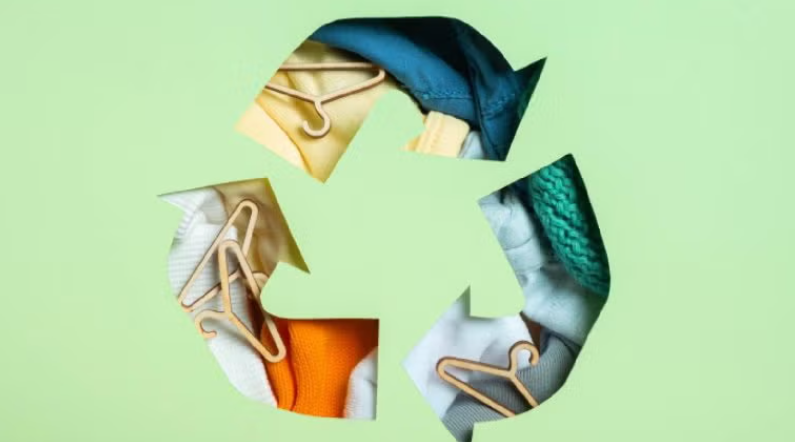
Global textile waste tops 92 million tonnes each year, with less than 15% recycled.
The partnership focuses on scaling LOOM Carbon's platform, which converts non-recycled and difficult-to-recycle textile materials into sustainable, carbon-neutral resources. Globally, textile waste exceeds 92 million tonnes annually, with less than 15% currently recycled.
LOOM Carbon CEO Kimberly Landry said: "Together with RTI, Loom is demonstrating that blended textile waste can be recycled into valuable resources. This collaboration moves us from pilot to commercial readiness, proving textile waste is a resource, not a liability."
The project will utilize RTI International's Pilot Xcelerator facility to transition the technology from laboratory scale to practical application. The partners plan to process complex textile waste streams, verify the quality of resulting materials, and prepare for commercial rollout in regions including Southeast Asia, Europe, and North America.
LOOM Carbon’s process transforms mixed and contaminated textiles into usable industrial inputs. These include pigments and alternatives to fossil-based materials for textiles, plastics, and coatings, as well as carbon products suitable for cement, asphalt, and composites. The system also produces thermal energy that can power its own operations, decreasing reliance on external sources.
RTI International biofuels director and senior fellow David C. Dayton said: "We are proud to leverage RTI's world-class Pilot Xcelerator facility as well as our expertise in process engineering and emissions validation to help accelerate a proven, scalable solution to textile waste. Together, we aim to deliver real, sustainable benefits as this technology moves toward commercial deployment."
This initiative addresses a significant environmental concern by repurposing textile waste into high-value materials, supporting resource efficiency and reduced environmental impact across supply chains.