CPTech Gets US, Saudi Patents for Pyrolysis Oil Upgrading Method
Wedoany.com Report-Dec.21, Clean Planet Technologies (CPTech), a member of the Clean Planet Group, has obtained patents in Saudi Arabia and the United States for its core pyrolysis oil upgrading process. This technology supports the production of sustainable aviation fuel (SAF) from plastic waste.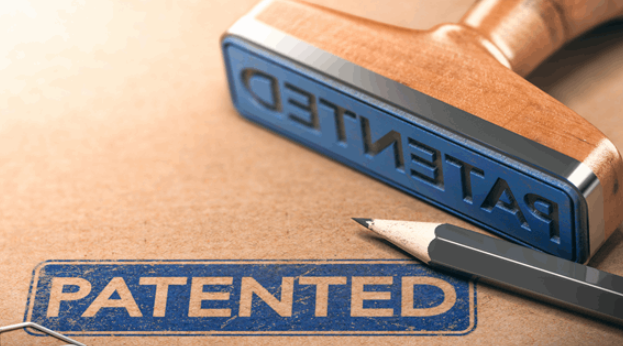
CPTech secured patents in Saudi Arabia and the U.S. for its core pyrolysis oil upgrading process, part of its campaign to produce sustainable aviation fuel from plastic waste.
The patented process transforms low-grade, variable pyrolysis oils into ultra-low sulfur fuels and circular petrochemical feedstocks. It enhances stability, reduces impurities, and facilitates more efficient downstream refining.
Through fractional condensation, customized hydrotreating, and precise distillation, the method converts mixed waste plastics into a highly clean intermediate suitable for further processing into sustainable aviation fuel.
By securing patent protection in two significant energy markets—the United States and the Kingdom of Saudi Arabia—CPTech reinforces its ability to license, develop, and safeguard its technology in key regions for global fuel production.
The process addresses longstanding issues with raw pyrolysis oil, which is often unstable, oxygen-rich, contaminated with metals, and requires substantial upgrading before refinery or engine use. By improving stability, managing variability, and removing sulfur, nitrogen, and other contaminants, the technology yields a cleaner, more consistent intermediate oil ideal for advanced aviation fuel production.
Clean Planet previously received its initial patent for this process in the United Kingdom, announced on September 7, 2022.
Last month, the company reported that initial equipment for a demonstration project converting plastics to SAF had arrived. The pilot facility is scheduled for commissioning in the first quarter of 2026.
The demonstration unit will showcase CPTech's proprietary method for turning hard-to-recycle plastics into ultra-clean, low-carbon jet fuel.
With upcoming SAF mandates in the United Kingdom and European Union, increasing demands on bio-based feedstock supplies, and growing airline commitments to reducing carbon emissions, alternative circular sources such as waste plastics are becoming increasingly important.
In the United Kingdom, the SAF Mandate requires sustainable aviation fuel to account for two percent of total jet fuel demand in 2025, rising to 10 percent by 2030 and 22 percent by 2040.
Under the ReFuelEU Aviation Regulation, fuel suppliers at qualifying airports in member states must include at least two percent SAF starting in 2025, increasing progressively to six percent in 2030, 20 percent in 2035, 34 percent in 2040, 42 percent in 2045, and 70 percent in 2050.
These requirements apply to airports handling more than 800,000 passengers or over 100,000 tonnes of freight in the previous reporting period, excluding those in outermost regions.
Eligible SAF categories include biofuels, recycled carbon fuels, and synthetic fuels.
CPTech's advancements contribute to expanding options for meeting these regulatory targets through innovative waste-to-fuel conversion.
Related Products


CAP1400 main feedwater flow nozzle flowmeter.
Jiangsu Hongda Instrument Technology Co., LTD.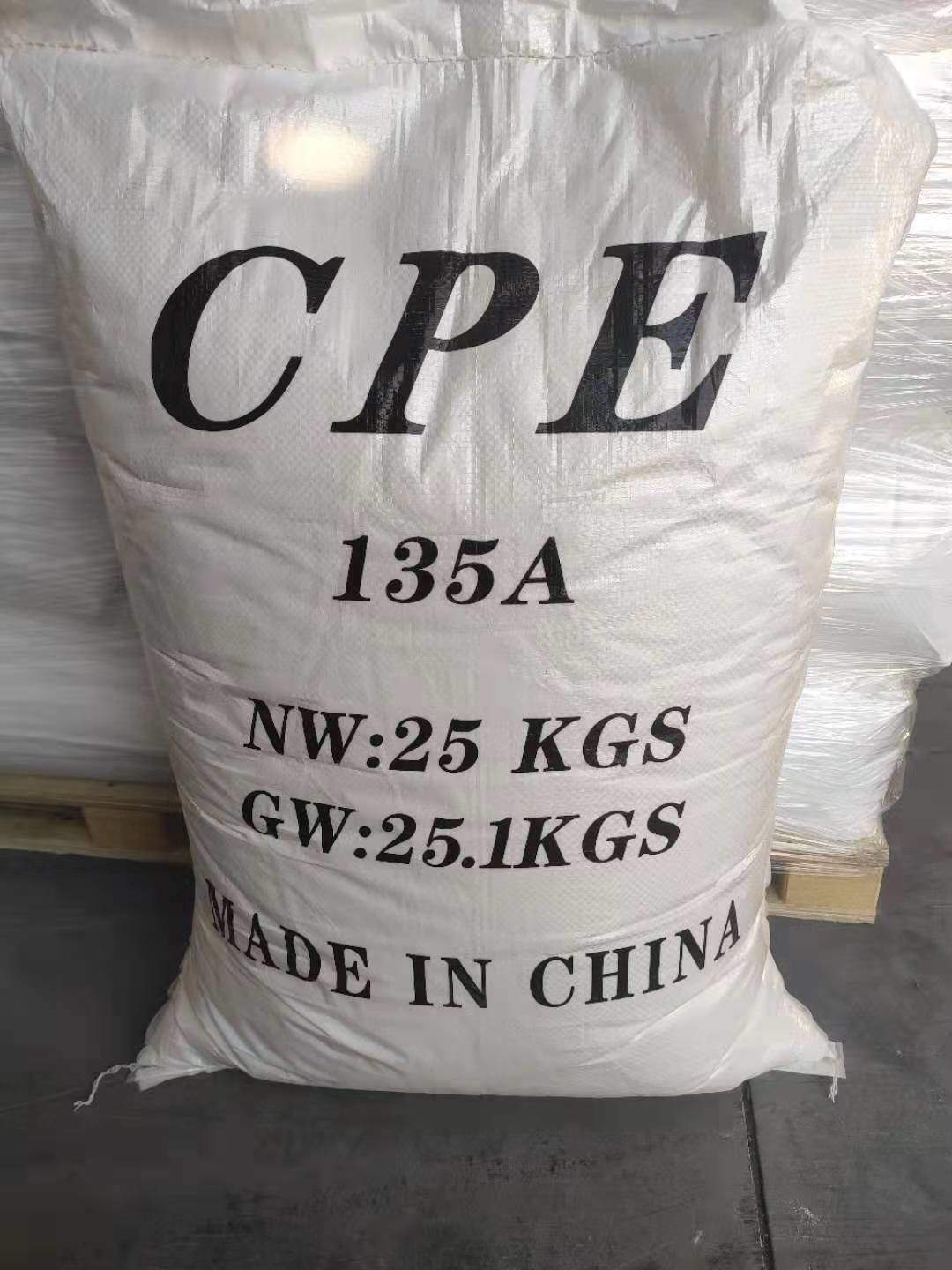
PVC Impact-Modified Chlorinated Polyethylene
Gansu Jinchuan Hengxin Polymer Technology Co., Ltd.
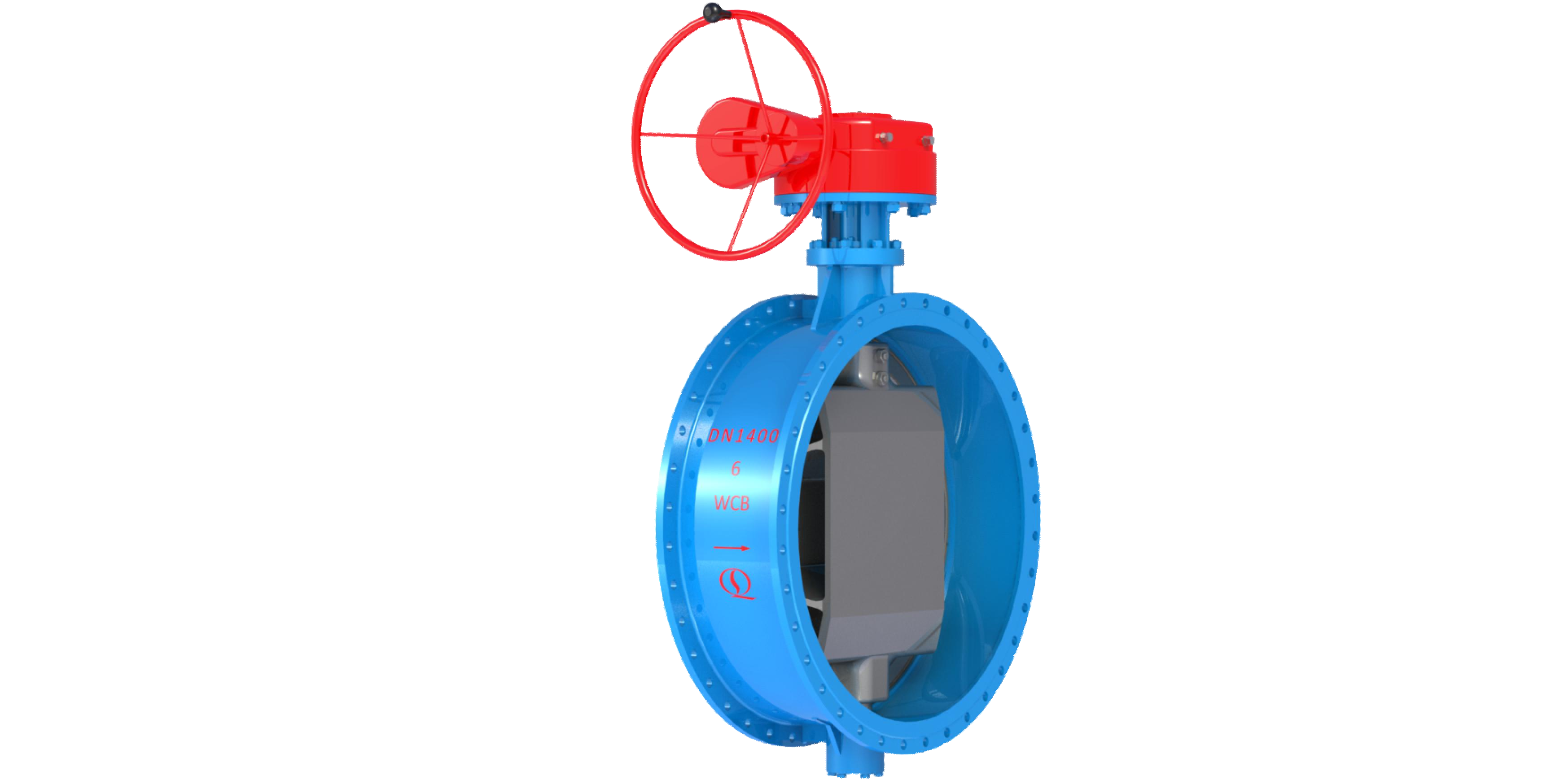
Bidirectional Metal Hard Sealed Seawater Butterfly Valve
Henan Quanshun Flow Control Science & Technology Co., Ltd.
Steel Pipes for Refining and Coal Chemical Industries
YANGZHOU LONTRIN ENERGY EQUIPMENT CO.,LTD.
New Environmentally Friendly Green Potassium Salt Collector
Chonfar Engineering and Technology Co., Ltd.
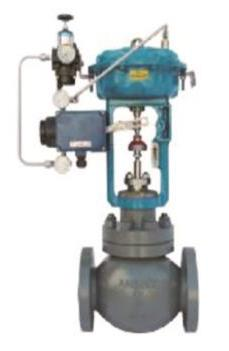
Quick-Change Single-Seat Control Valve / Quick-Change High-Pressure Single-Seat Control Valve
Beijing Consen Automation Technology Co., Ltd.