Japan to Test Rare-Earth Mining From Deep Seabed Mud
Wedoany.com Report-Dec.24, Japan will conduct a month-long test to extract rare-earth-rich mud from the deep seabed near Minamitorishima Island, a remote location about 1,900 kilometres southeast of Tokyo. This marks the world's first effort to continuously lift such material from approximately 6,000 metres below the surface.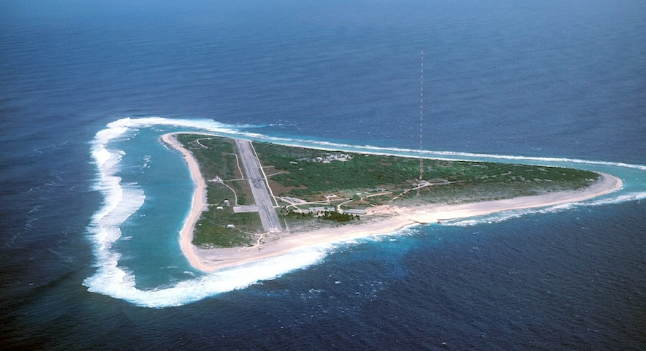
The operation, led by the Japan Agency for Marine-Earth Science and Technology (JAMSTEC), is scheduled to run from January 11 to February 14. It will focus on connecting a complete deep-sea mining system and verifying its ability to raise 350 metric tonnes of mud per day. Environmental impacts will be monitored both onboard the vessel and on the seabed throughout the test.
No production target has been established for this phase. If the test proves successful, the agency plans a full-scale demonstration by February 2027 to recover the same daily volume.
The mud cannot be processed at sea. Extracted material will be shipped to Minamitorishima Island, where seawater will be removed using equipment similar to a washing machine's spin dryer, reducing volume by about 80%. The remaining mud will then be transported to mainland Japan for separation and refining.
The government-funded project has invested approximately 40 billion yen ($256 million) since 2018, according to Shoichi Ishii, a program director at the Strategic Innovation Promotion Program.
"One of our missions is to build a supply chain for domestically produced rare earths to ensure stable supply of minerals essential to industry," Shoichi Ishii told Nikkei Asia.
Ishii also noted that a Chinese naval fleet entered waters near Minamitorishima in June while a Japanese research vessel was conducting seabed surveys within Japan's exclusive economic zone. "We feel a strong sense of crisis that such intimidating actions were taken," Ishii said.
This initiative supports efforts to develop reliable domestic sources of critical minerals used in various industrial applications, including advanced technologies and manufacturing. The test represents a key step in evaluating the technical feasibility of deep-sea extraction while prioritizing environmental monitoring.
Success in these trials could contribute to long-term resource security through advanced seabed resource development.
Related Products

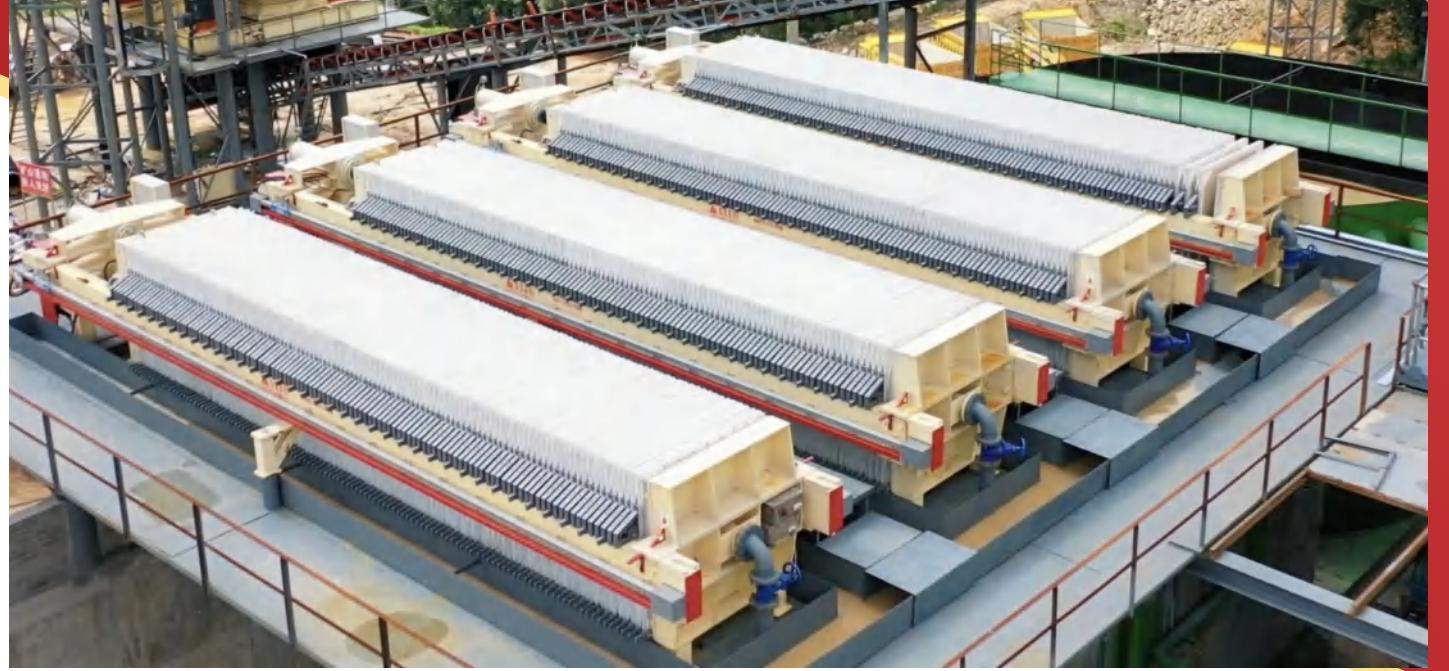
Hydraulic Plate and Frame Filter Press
Guangdong Leimeng Intelligent Equipment Group Co., Ltd.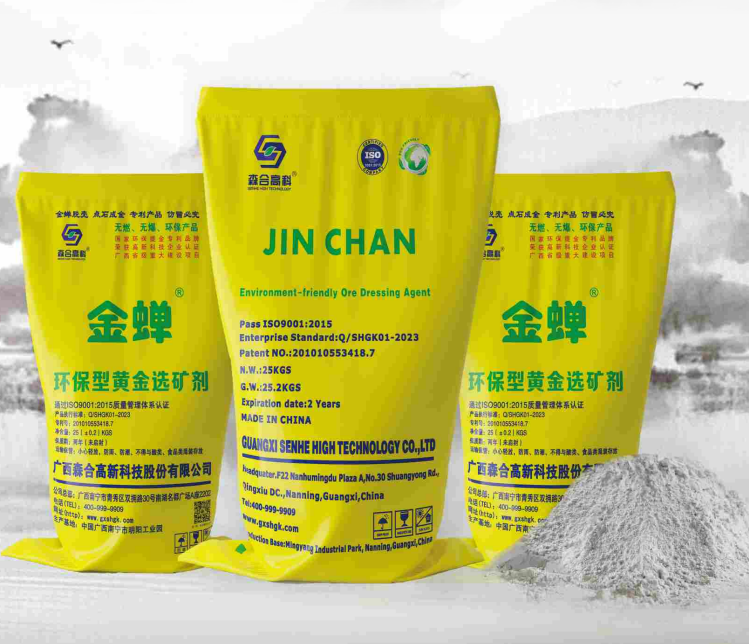
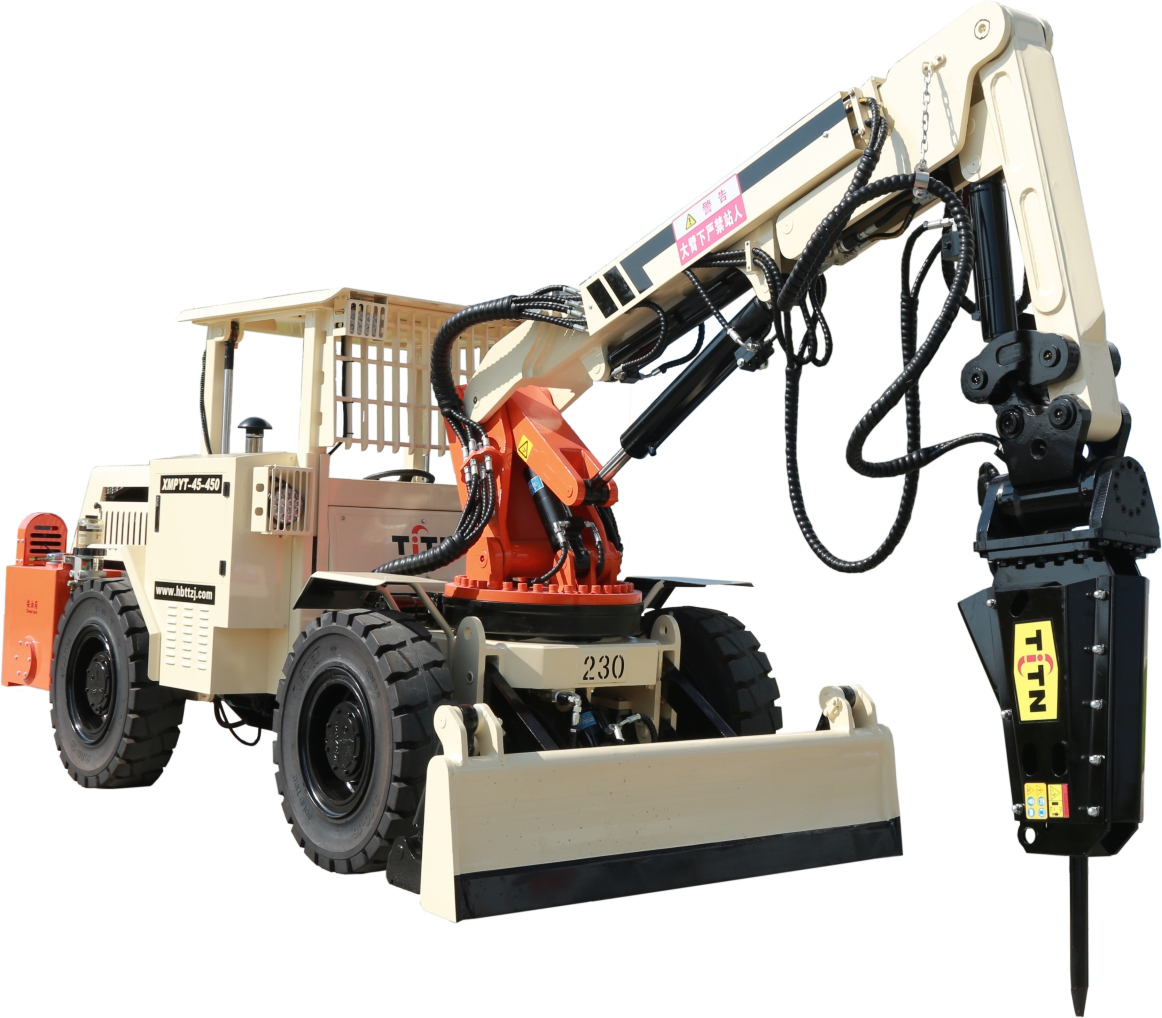
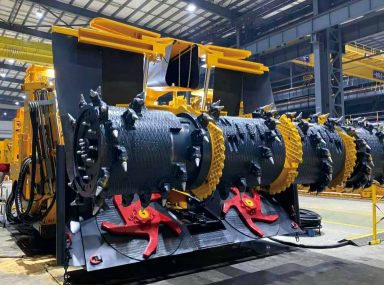
Integrated Excavation and Anchoring Machine (EJM Series)
China Railway Construction Heavy Industry Corporation Limited
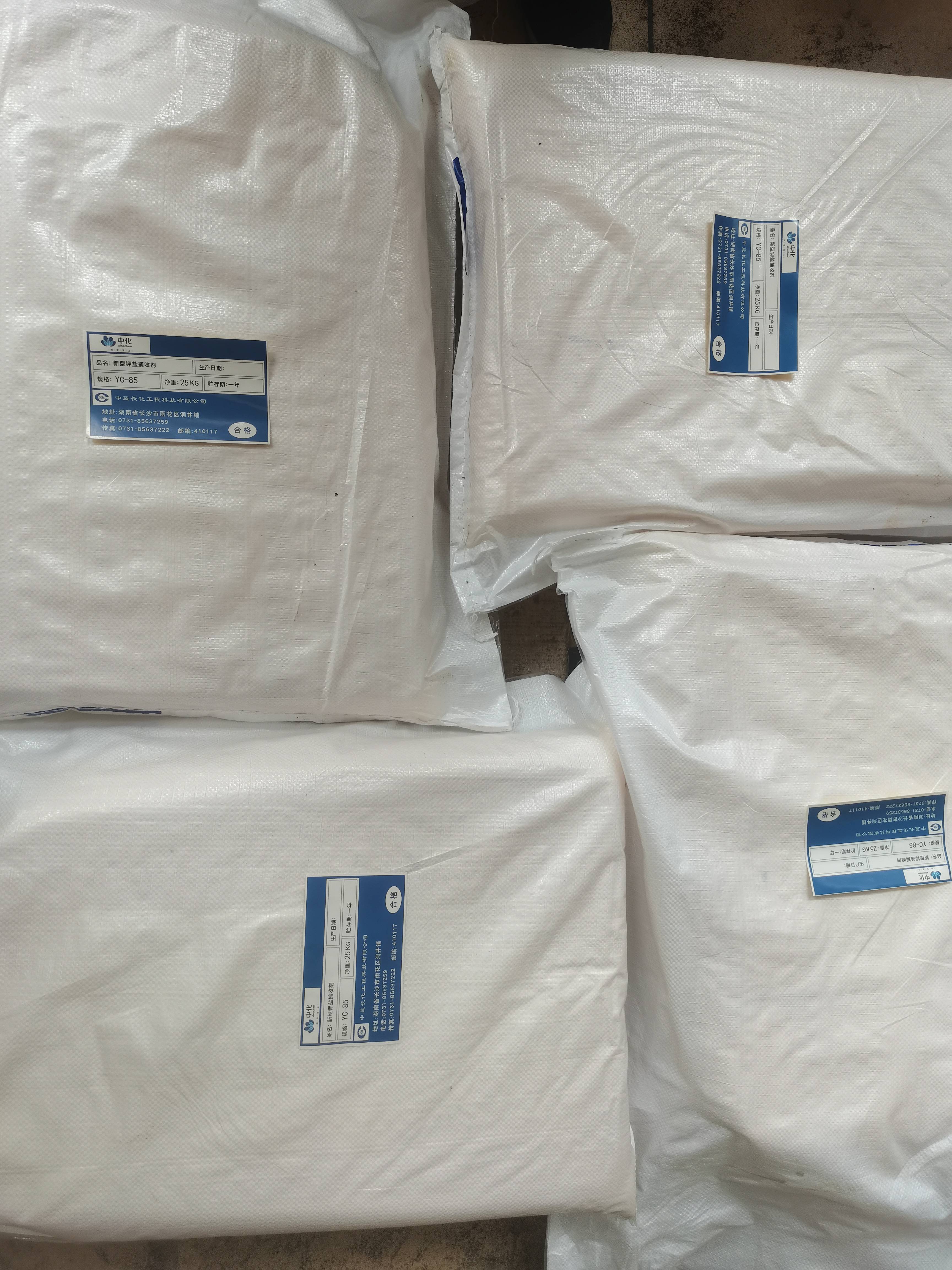
New Environmentally Friendly Green Potassium Salt Collector
Chonfar Engineering and Technology Co., Ltd.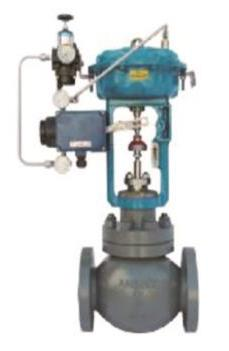
Quick-Change Single-Seat Control Valve / Quick-Change High-Pressure Single-Seat Control Valve
Beijing Consen Automation Technology Co., Ltd.