Japan’s TEPCO to Partially Restart World’s Biggest Nuclear Power Plant on January 20
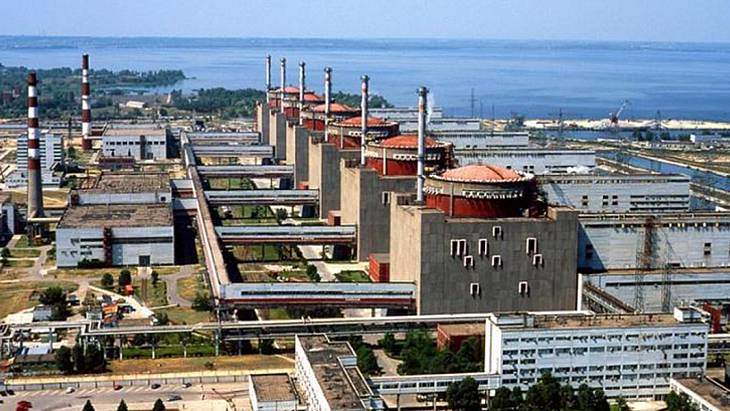
Wedoany.com Report-Dec.25, Tokyo Electric Power Company Holdings (TEPCO) announced on Wednesday that it will restart Unit 7 of the Kashiwazaki-Kariwa nuclear power plant, the world's largest by capacity, on January 20, 2026.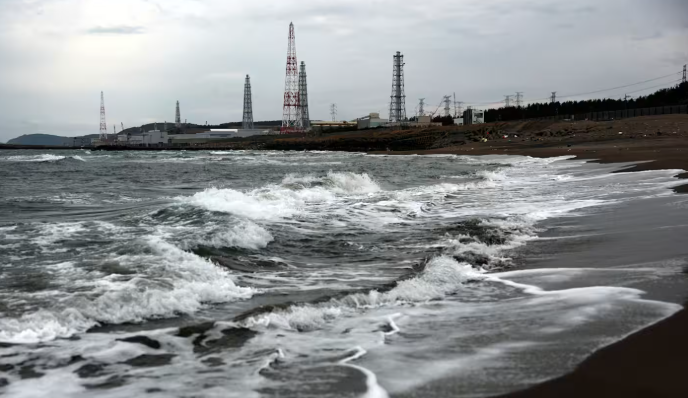
TEPCO President Tomoaki Kobayakawa told reporters that commercial operation of the 1.36-gigawatt Unit 6 is scheduled to begin on February 26, 2026. This will mark the utility's first nuclear restart in 14 years, following the accident at Fukushima Daiichi in 2011.
The plant, located in Niigata Prefecture approximately 220 km northwest of Tokyo, received approval from the prefectural assembly earlier this week for the partial resumption of operations.
Kobayakawa stated: "As the company responsible for the Fukushima Daiichi accident, we will apply the reflections and lessons learned ... We will proceed with the restart, the first in 14 years, sticking to safety as the top priority."
The Kashiwazaki-Kariwa facility has a total generating capacity of 8.2 gigawatts, sufficient to supply several million households. All seven units were taken offline after the March 2011 earthquake and tsunami that severely damaged the Fukushima Daiichi plant.
Japan has so far brought 14 of its remaining 33 operable reactors back online as part of efforts to reduce dependence on imported fossil fuels. In November, the government proposed a public loan framework to support expansion of nuclear power and aims to significantly increase its share in the national energy mix.
The upcoming restart of Unit 6, followed by plans to resume operations at another 1.36 GW unit around 2030, represents a major step in restoring nuclear generation capacity for TEPCO. The company has indicated it may eventually decommission up to five of the plant's older reactors.
Safety improvements implemented over the past decade include reinforced seawalls, enhanced emergency power systems, and upgraded ventilation filters. The Nuclear Regulation Authority confirmed in 2023 that Units 6 and 7 meet the country's current stringent post-Fukushima safety standards.
This development contributes to Japan's long-term energy strategy, which seeks greater stability in electricity supply while addressing both energy security and environmental goals through a balanced mix of sources.
Related Products

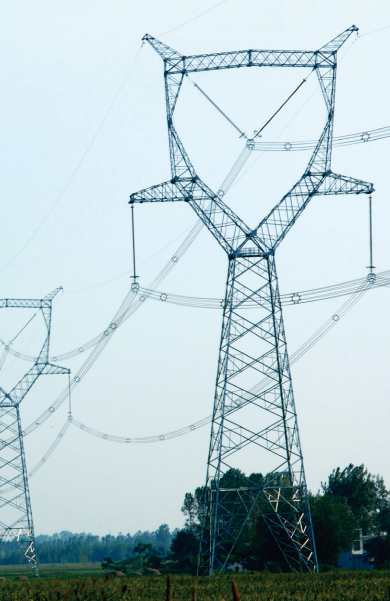
1000kV Jin Southeast-Nanyang-Jingmen UHV AC Transmission and Transformation Pilot Demonstration Project
Anhui Hongyuan Steel Tower Co., Ltd.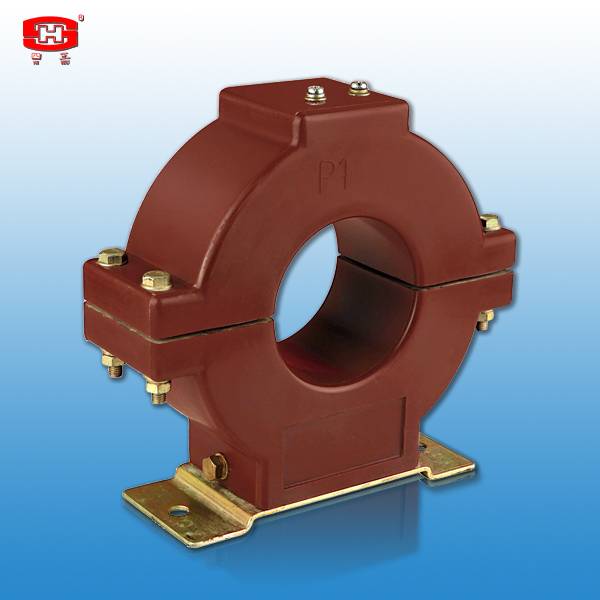
0.66kV Power Supply Instrument Transformer
Guangdong Sihui Instrument Transformer Works Co., Ltd.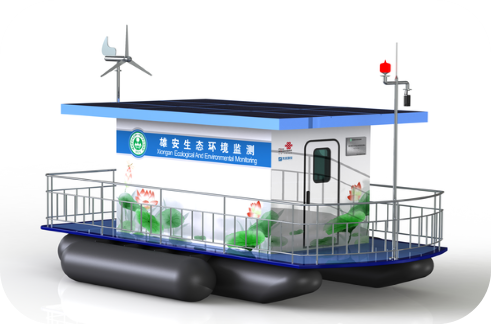
Floating Boat Water Quality Automatic Monitoring System
Hebei Sailhero Environmental Protection High-tech Co., Ltd.
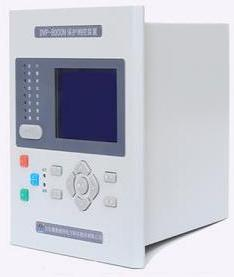
Microcomputer Protection and Substation Automation
Beijing Agent Devote Power Technology Development Co., Ltd.
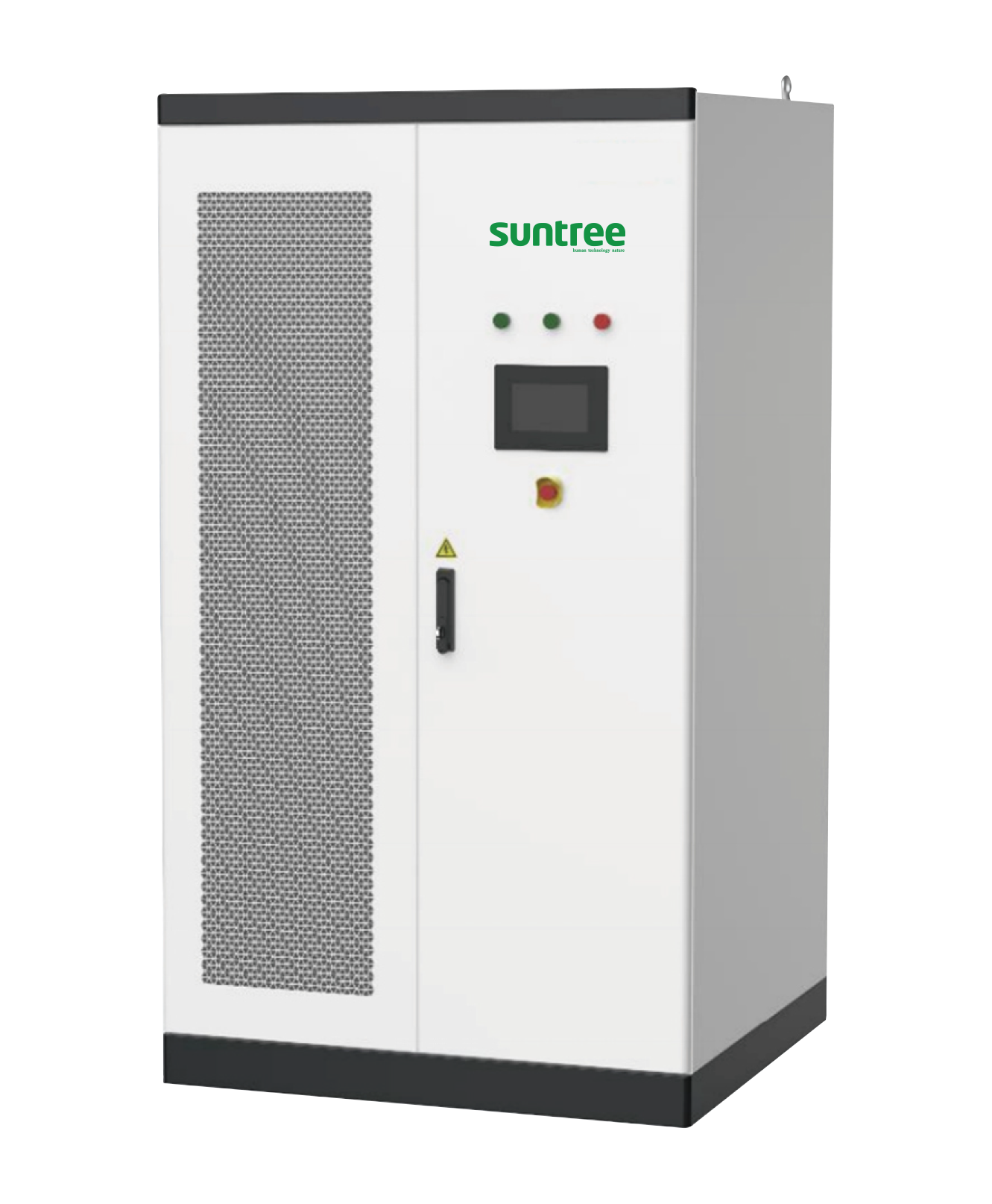
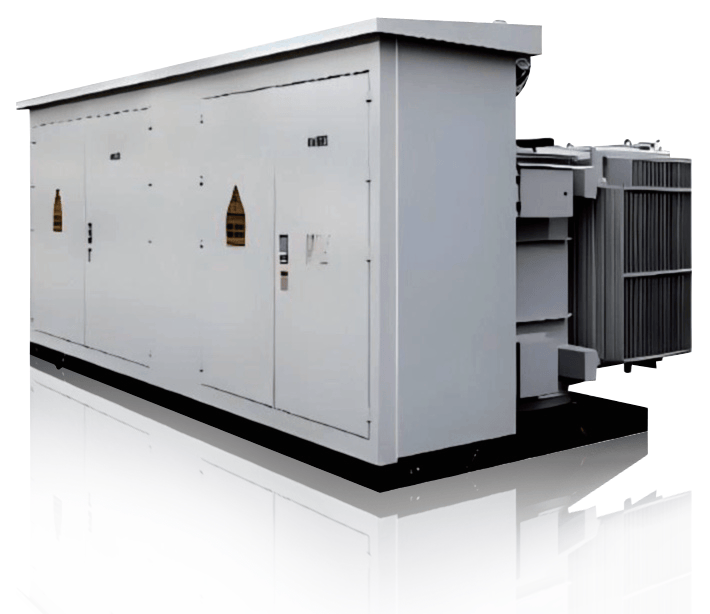
H-40.5/0.4~1.14kV New Energy Power Generation Dedicated High Voltage/Low Voltage Prefabricated Substation
XJ (Xiamen) Intelligent Power Equipment Co., Ltd.