Demolition Of Longtime Blighted Bridgeport Power Plant To Begin
Wedoany.com Report-Nov 20, A private developer will oversee the state-financed redevelopment of the decommissioned coal power plant at 1 Atlantic St. into a residential/commercial mixed-use development after the property was transferred to the Baldwinsville, New York,-based developer, Gov. Ned Lamont announced Tuesday.
Chad Parks, a principal of Bridgeport Station Development LLC, announced that work on the demolition of the plant will begin immediately. He expects that phase to take three years.
As part of an agreement reached with Lamont’s administration, the developer on Nov. 15 Bridgeport 1-4 LLC conveyed the plant property to Bridgeport Station Development, which plans to demolish the building and construct a residential/commercial mixed-use project there.
“We are grateful to PSEG, the State of Connecticut, and the City of Bridgeport for entrusting us with the opportunity to transform this expansive waterfront property into a thriving community asset,” said Chad Parks of Bridgeport Station Development.
“Recognizing that ideas and visions for its reuse have been discussed within the community for years, we are excited to collaborate with local stakeholders to create a redevelopment plan that prioritizes public access, resiliency, and sustainability – all guided by community input.
While the sale price of the distressed property may only show up as $1, the total property value is listed on Bridgeport’s rolls as $9.26 million. It is assessed at $6.48 million. It was last transferred from PSEG Power Connecticut LLC to Bridgeport Harbor 1-4 LLC in 2022, after it was already decommissioned.
What comes with the property transfer is a transfer of liability, according to Matthew Pugliese, deputy commissioner and CFO of the state Department of Economic and Community Development.
“Under the transfer act, the owner has liability for clean-up of the site and any other risks that come with. PSEG is shifting all of that on to Chad’s team. That’s what the Community Investment Fund grant was doing. It becomes the leverage to bring PSEG to the table and find someone. The act had a lot to do with the transfer.”
The state, through the Community Investment Fund, is providing $22.5 million for the demolition and remediation of the contaminated plant. The fund is a statewide program created to foster economic development in historically underserved communities. It is overseen by a 21-member board and administered by the Connecticut Department of Economic and Community Development.
Lamont, Bridgeport Mayor Joe Ganim and state legislative and agency leaders stood in front of the iconic 500-foot smoke stack Tuesday at the former PSEG plant across from Steelepointe Harbor that includes Bass Pro Shops.
“This 33-acre shoreline property containing a former coal plant with a 500-foot smokestack has cut off access to the waterfront for Bridgeport residents for more than 70 years, and the contamination it has left behind has caused a significant hurdle in how this land could possibly be redeveloped and brought back into productive use to the benefit of the community,” Lamont said. “Nobody wants to have an old, polluted, unused and blighted building sitting on the shoreline of our state’s largest city when we could be using this property to grow new jobs and build housing for people who need it.”
Mayor Ganim, a longtime Bridgeport resident, was delighted to see some progress on the former electric generation plant.
“For years, Bridgeporters have dreamed about what might be possible at the former PSEG site,” Ganim said. “Now, thanks to Governor Lamont, the Bridgeport delegation, and the Community Investment Fund, Bridgeport’s waterfront will see a major transformation and environmental remediation which will pave the way for economic development, job creation, and housing.”
The plant, previously known as the Bridgeport Harbor Station, opened in the 1950s and provided energy to southwestern Connecticut factories and businesses. After subsequent changes in ownership, PSEG Power Connecticut purchased the property in 2002 but it ceased operations in 2021. The plant has sat vacant since and has been a source of blight and stifled investment in the neighborhood.
For decades, Bridgeport Harbor Station was an invaluable power generator for the City of Bridgeport and surrounding areas. In 1968, the station burned both coal and oil for power generation, and in 2002 it was converted to exclusively burn coal, producing 400 megawatts of power during periods of peak power demand. During the lifetime of the coal plant, approximately 1 million tons of coal was burned. In 2019, a high-efficiency natural gas fired 485-megawatt power plant went online, ceasing coal combustion and allowing PSEG to move to a cleaner source of fuel for power generation.
“The cleanup and redevelopment of polluted sites like this one is a top priority for DEEP and is key to driving well-placed economic development in Connecticut,” Connecticut Department of Energy and Environmental Protection (DEEP) Commissioner Katie Dykes said. “This significant investment in Bridgeport to demolish this former power plant will allow the public to access nearly 2,000 feet of shoreline along Bridgeport Harbor.”
While the specific end use of the property is not known at this time, its redevelopment will be guided by state requirements that it be repurposed for residential, commercial, water-focused access, or recreational purposes. The project is also subject to local and state approval and permitting processes.
Related Products

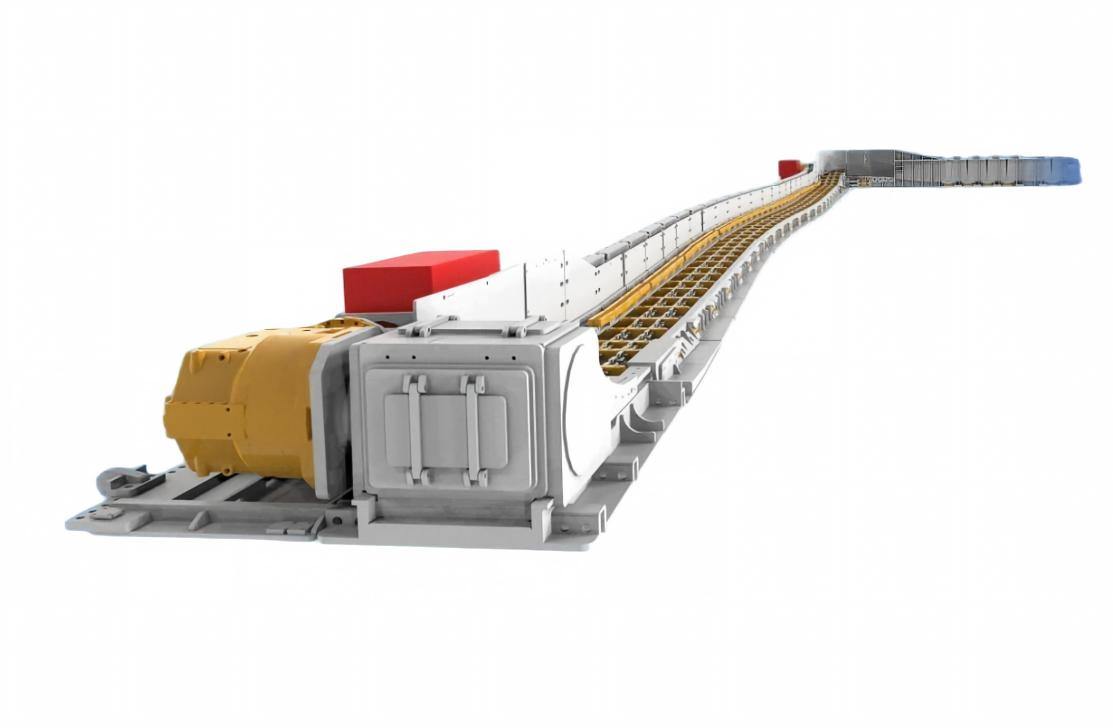
Intelligent Complete Conveying Equipment for Ultra-Long Working Faces
Ningxia Tiandi Benniu Industrial Group Co., Ltd.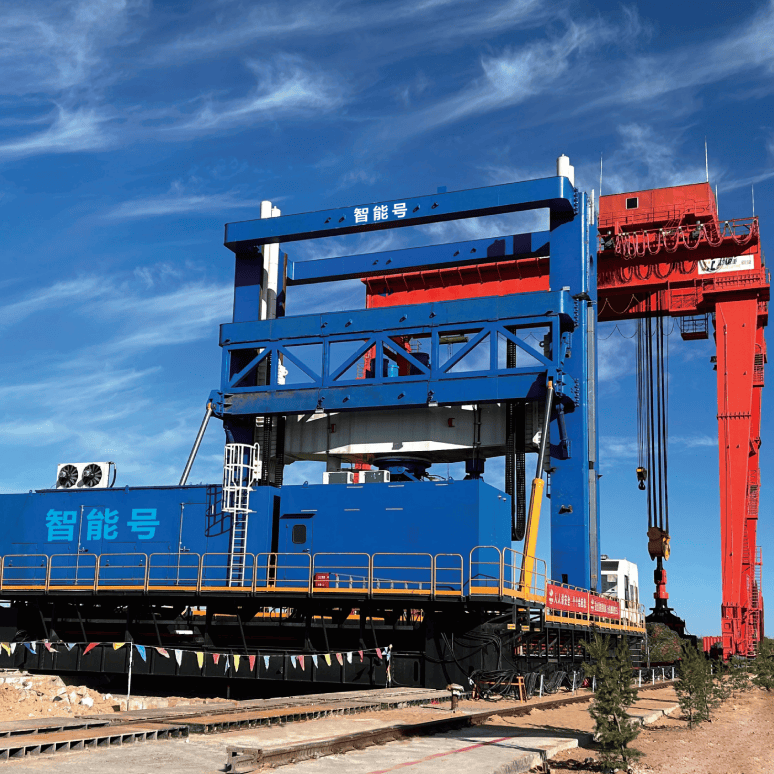
Mining Ventilation Shaft Drilling Rig
CCCC Tianhe Mechanical Equipment Manufacturing Co., Ltd.
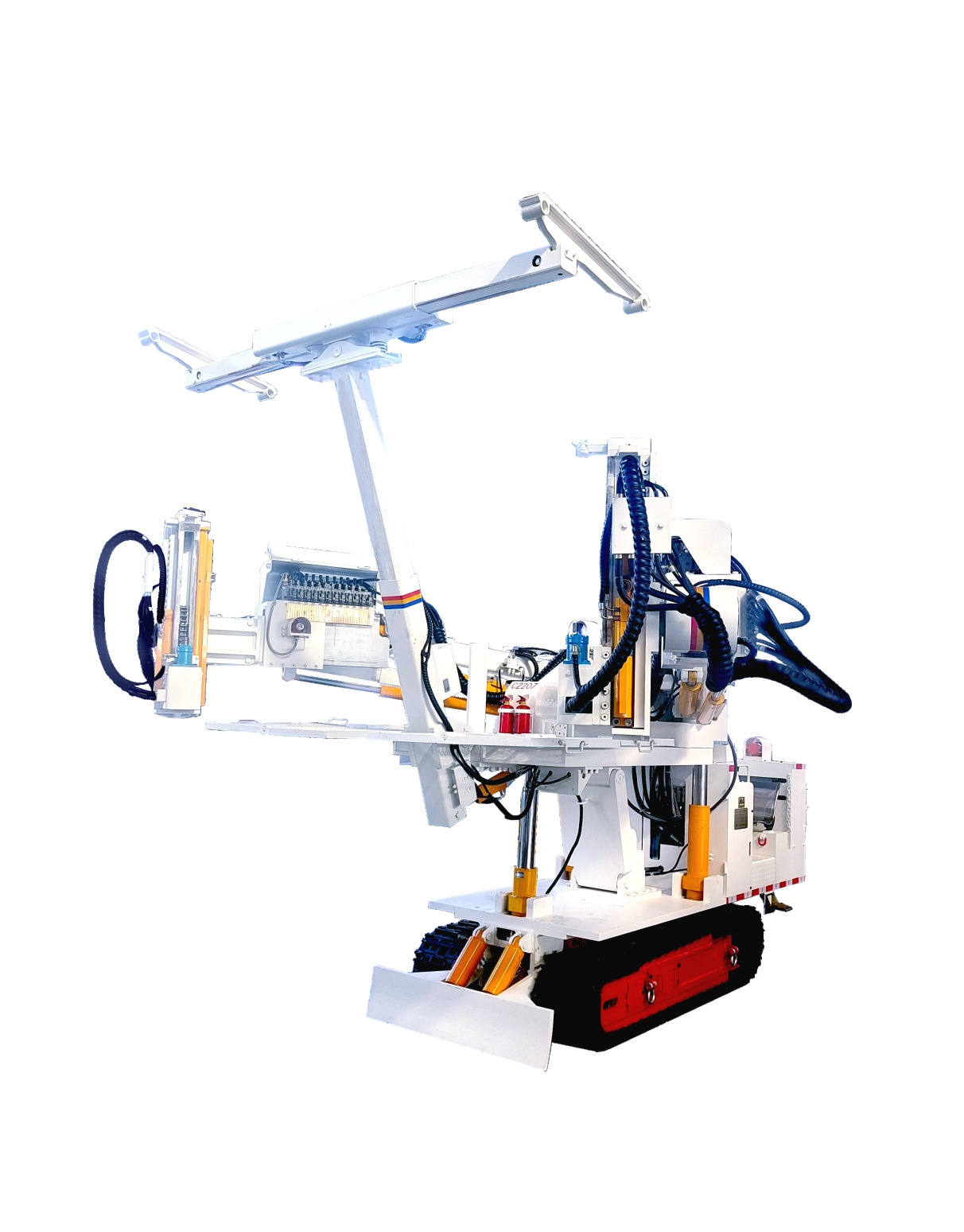
CMM2-15、CMM2-15Y Hydraulic anchor drilling vehicle for coal mines
Shanxi Tianju Heavy Industry Machinery Co., Ltd.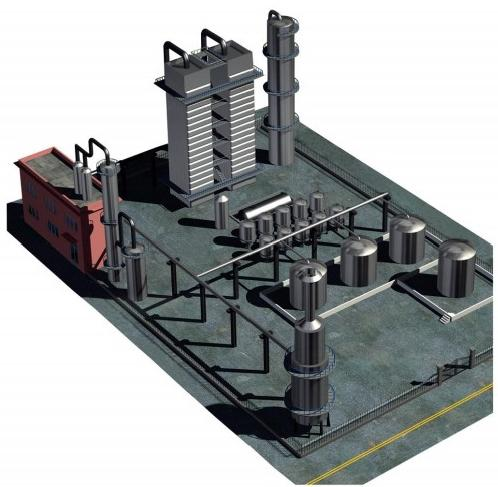
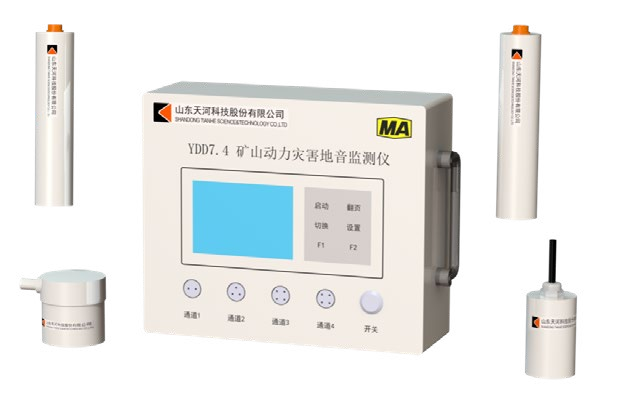
YDD7.4(A) Mine power disaster acoustic and electrical monitoring instrument
Shandong Tianhe Science & Technology Co., Ltd.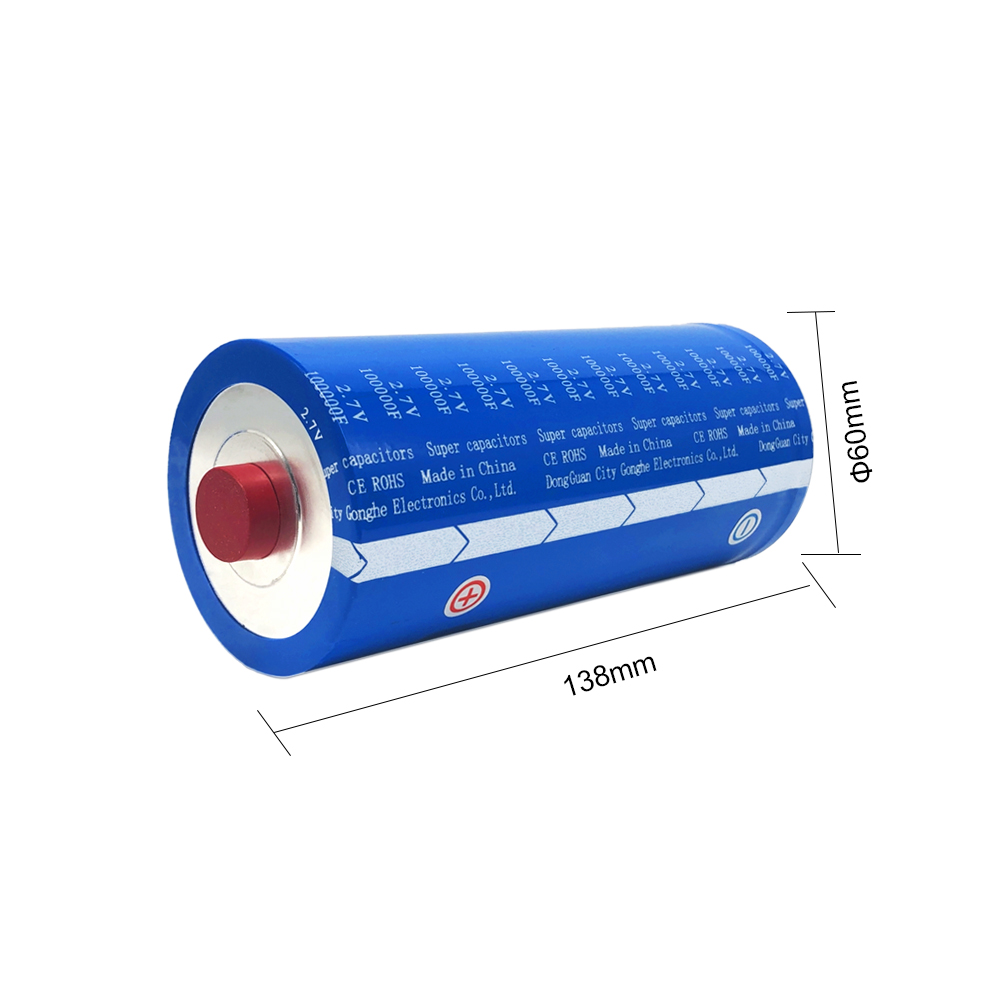
2.7V 100000F (60wh) 60138 high-power energy storage power starting power supply (instantaneous high current), low-temperature discharge, long service life, 100000 times of use
Gonghe Power Co.,LTD