UK North Sea Port Operators Collaborate to Explore CO2 Shipping Corridor
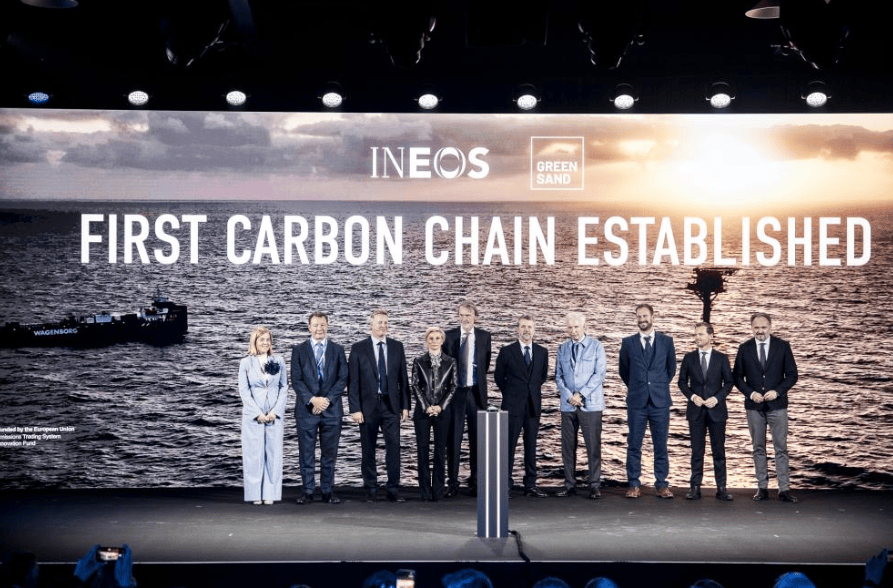
Wedoany.com Report on Feb 6th, Associated British Ports (ABP), LBC Tank Terminals (LBC), North Sea Port, and the Port of Esbjerg signed two Memoranda of Understanding (MoUs) at the North Sea Summit in Hamburg, aiming to study cross-North Sea CO2 shipping corridors. These agreements will drive joint exploration on how to handle, store, and transport CO2 by ship between the UK's Humber Port and terminals on the European continent, and share related logistics technologies.
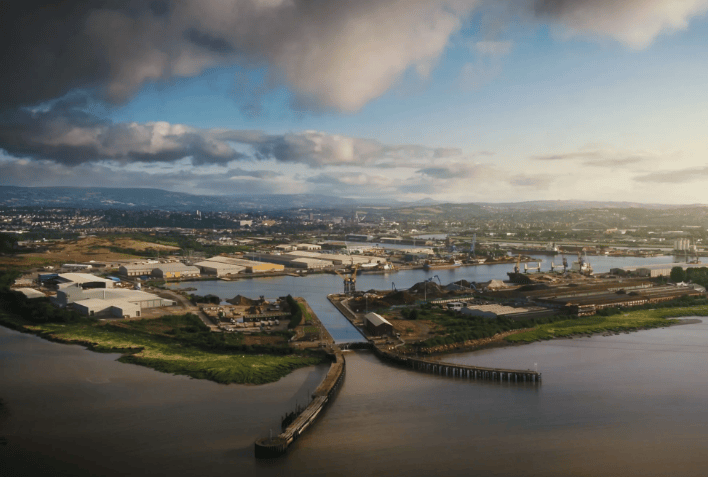
Shipping CO2 is seen as a viable solution to connect emission sources like power plants and heavy industry with offshore storage facilities in the North Sea. Proponents believe this will help create new markets, preserve jobs in industrial areas, and reduce long-term operational costs through shared storage hubs at scale.
ABP has previously received approval to build a CO2 handling terminal at Immingham Port as part of the Viking CCS cluster, for the permanent storage of CO2 in depleted gas fields beneath the North Sea. The newly signed MoUs define cooperation between ABP and LBC, North Sea Port, and the Port of Esbjerg, which will assess port infrastructure needs and build a CO2 transport value chain.
LBC, leveraging its tank terminal operational experience, can act as a temporary logistics hub for liquefied CO2. North Sea Port, covering parts of Belgium and the Netherlands including Vlissingen, benefits from its central location and existing logistics facilities to support CCS projects. The Port of Esbjerg has begun constructing a transshipment terminal to handle liquefied CO2 from Danish biogas plants, which will subsequently be stored in the Danish North Sea.
The MoUs establish workflows for designing CO2 handling port infrastructure and improving the efficiency of transport and related Carbon Capture, Utilization, and Storage (CCUS) technologies. The partners also plan to strengthen commercial links between UK storage capacity and emission sources on the European continent to increase storage facility utilization and attract private investment.
Industry analysis suggests a pan-European CO2 market could reduce costs. A report from the Carbon Capture and Storage Association indicates that a cross-border storage market could lower storage costs by approximately 20% through economies of scale and proximity effects.
The Immingham Viking CCS project, a key focus for ABP, will utilize its Green Energy Terminal to receive shipped CO2 for injection into depleted reservoirs. The project is expected to attract around £3.7 billion in private investment between 2027 and the early 2030s, potentially rising to £13 billion in later phases, and create thousands of jobs during peak construction and operation.
Despite criticism that CCS technology is capital-intensive and cannot replace rapid emission reductions, supporters emphasize that for hard-to-abate sectors, CCS combined with CO2 transport infrastructure remains a crucial pathway to achieving climate goals.
ABP CEO Henrik L. Pedersen stated: "Ports have always been gateways for energy. Today, they are at the forefront of the energy transition. This agreement is about building the infrastructure and partnerships needed for a decarbonized industry, paving the way for the UK to leverage its geological assets to provide Europe with emission reduction options." He added, "This is not just about reducing emissions—it's about creating a new market for shipping carbon, helping Europe meet its climate goals while safeguarding industrial competitiveness and associated jobs."
North Sea Port CEO Cas König said: "Our goal is to achieve net-zero ports by 2050. Shipping CO2 offers a flexible means for industrial decarbonization. By collaborating with ABP and LBC, we are studying cross-border corridors connecting emission sources with North Sea storage facilities, aiming to reduce costs, accelerate deployment, and enhance European industrial competitiveness."
LBC New Energy Group Business Development Director Radboud Goud said: "Signing the MoU marks a shift from vision to practical progress. Combining LBC's storage expertise with our partners' port capabilities, we can design efficient, scalable shipping corridors connecting European emission sources with UK storage facilities, supporting the development of a cross-border CO2 market."
Port of Esbjerg CEO Dennis Jul Pedersen stated: "Europe is entering a new phase where CCS will play a greater role. Collaboration is key to unlocking the potential of carbon shipping. By working with ABP, the Port of Esbjerg is committed to developing scalable solutions that support Europe's decarbonization goals and strengthen the port's role in the green transition."
Related Products

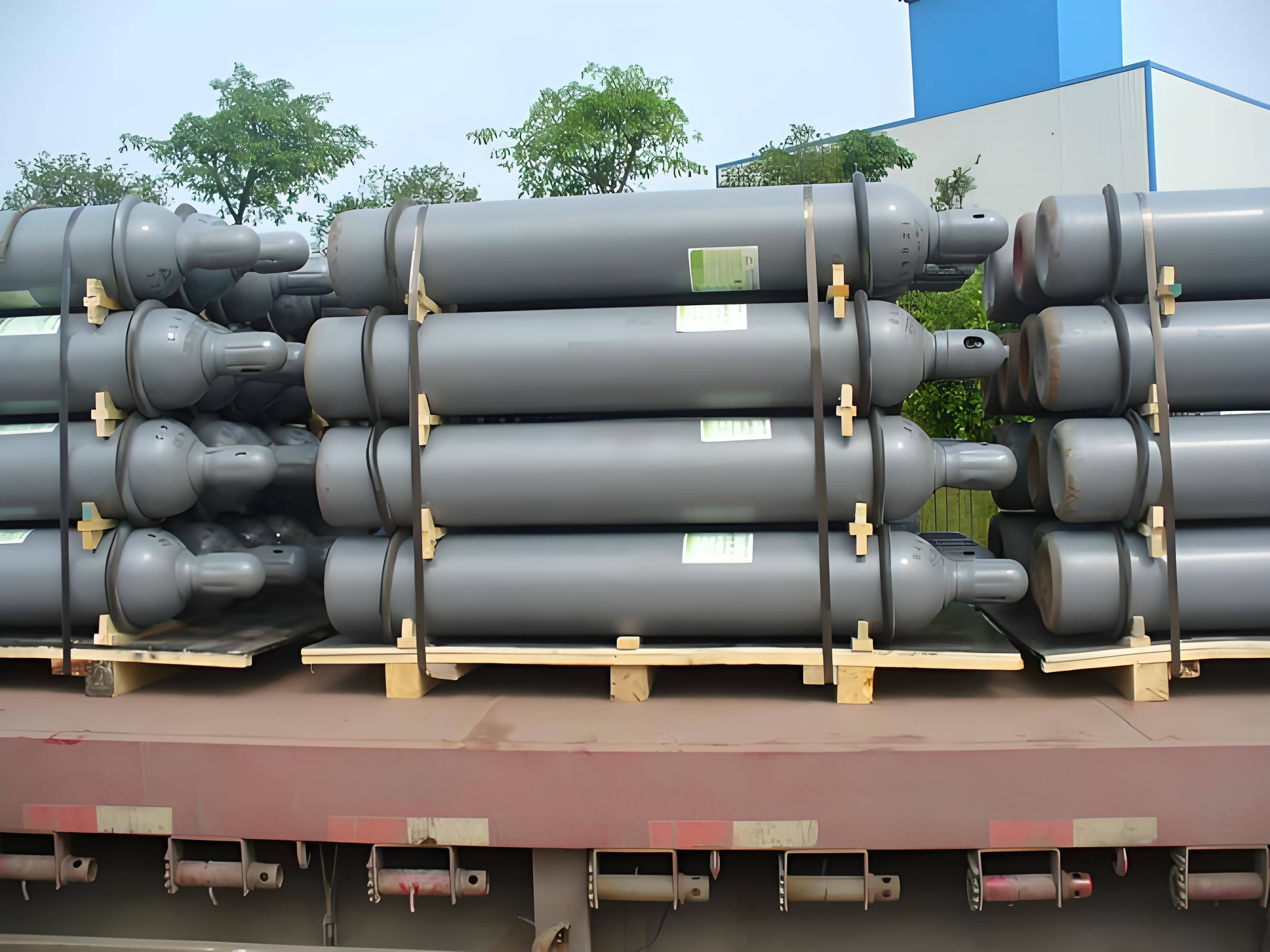
Global Sulfur Hexafluoride Gas Supply and Cylinder Export
Foshan Yuexin Industrial Gas Co., Ltd.
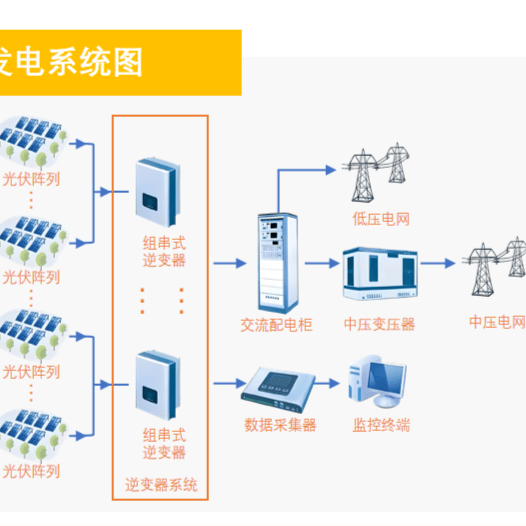
Photovoltaic and Wind Power Generation Technology
Beijing Boqi Electric Power SCI-TECH Co., Ltd.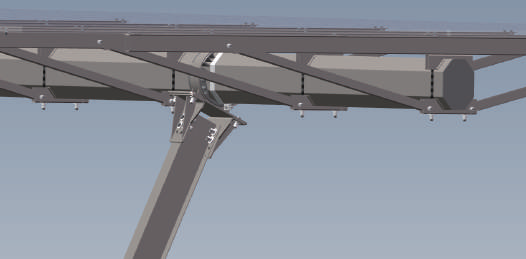
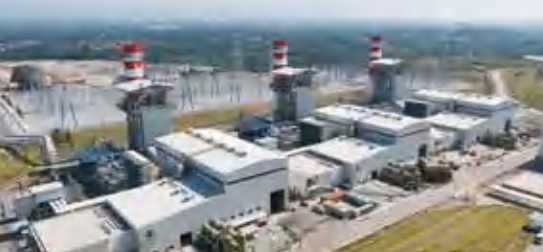
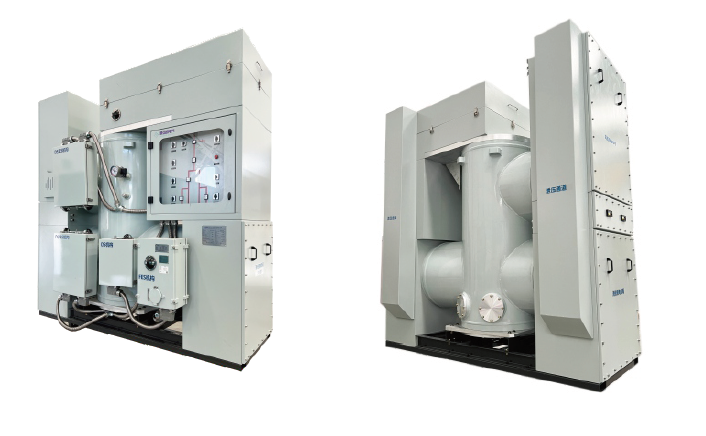
72.5kV 1250A 31.5kA SF6 free Gas-insulated Metal-enclosed Switchgear
Zhejiang Juhonkia Intelligent Electric Co., Ltd.
H-40.5/0.4~1.14kV New Energy Power Generation Dedicated High Voltage/Low Voltage Prefabricated Substation
XJ (Xiamen) Intelligent Power Equipment Co., Ltd.