New Solar Device Can Simultaneously Desalinate Seawater and Extract Lithium Ions
Wedoany.com Report on Feb 11th, As global demand for lithium resources continues to grow, traditional mining methods face environmental challenges. Researchers from Zhejiang University in China have developed a novel solar-powered device capable of efficiently extracting lithium ions while desalinating seawater.
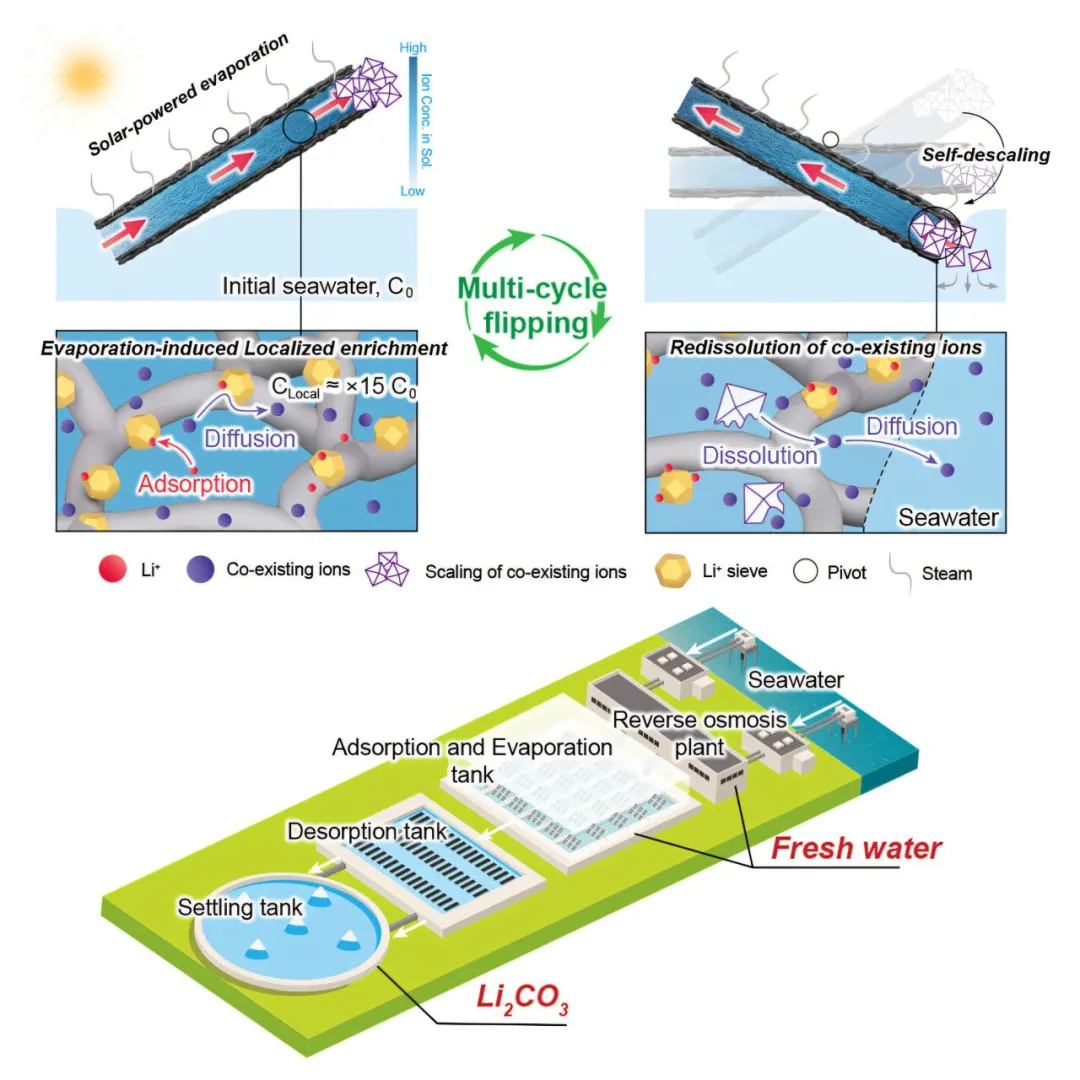
This device, dubbed the "solar seesaw extractor," ingeniously addresses the common issue of salt scaling encountered during lithium ion extraction from seawater. The ocean holds vast lithium reserves but at extremely low concentrations, and traditional methods are inefficient due to interference from sodium ions.
"In this work, we report a solar seesaw extractor to enhance Li+ adsorption while minimizing scaling by competitive ions during photothermal evaporation," the researchers wrote in their study paper. The device employs a sandwich structure with a hydrophilic adsorption layer in the middle and hydrophobic photothermal layers on both sides.
During operation, the device uses solar energy to drive the evaporation process, concentrating lithium ions inward. When a salt crust forms on one end of the device, the weight change causes the entire apparatus to tilt like a seesaw, submerging the accumulated salt into the seawater for natural removal. This self-cleaning mechanism ensures the continuity of the lithium ion extraction process.
Test data show that this prototype device achieved a 69% improvement in lithium ion absorption efficiency compared to standard methods, with a local lithium ion concentration increase of 15.5 times. Simultaneously, it can separate lithium ions from sodium ions with an efficiency 370,000 times greater.
The device also features desalination capabilities and can produce drinking water after optimization. The researchers describe it as a system for "parallel seawater/brine desalination and lithium production."
Currently, this technology still requires improvement. The existing manganese-based filter degrades after about 30 uses, and the research team is considering titanium-based materials to extend its lifespan. The device also needs to adapt to the natural pH environment of the open sea without requiring added chemicals.
This research on extracting lithium ions with a solar device was published in the journal "Device" on February 4th, offering a new approach for sustainable lithium resource development.
Related Products


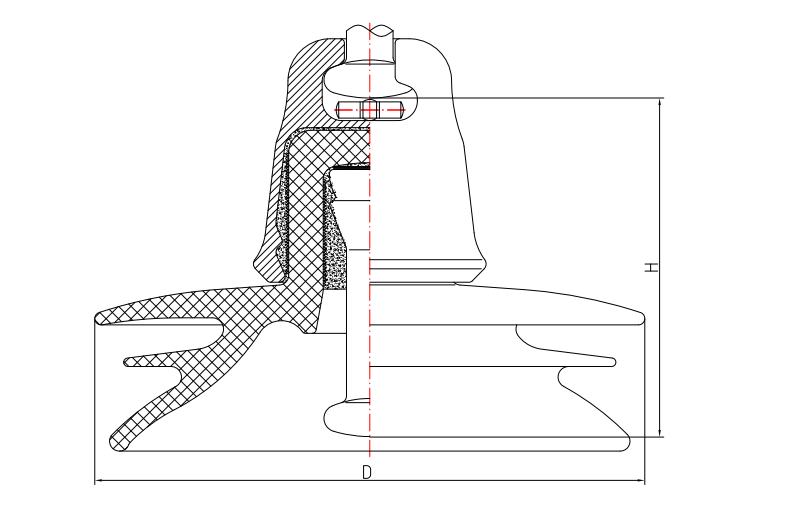
Post-type AC Pollution-resistant Disc Suspension Porcelain Insulator (Triple Umbrella Type)
Shandong High Voltage Insulator Co., Ltd.
Perfluorinated Ionic Membrane-CM-10N Series Membrane
Guizhou Juneng Century Technology Co., Ltd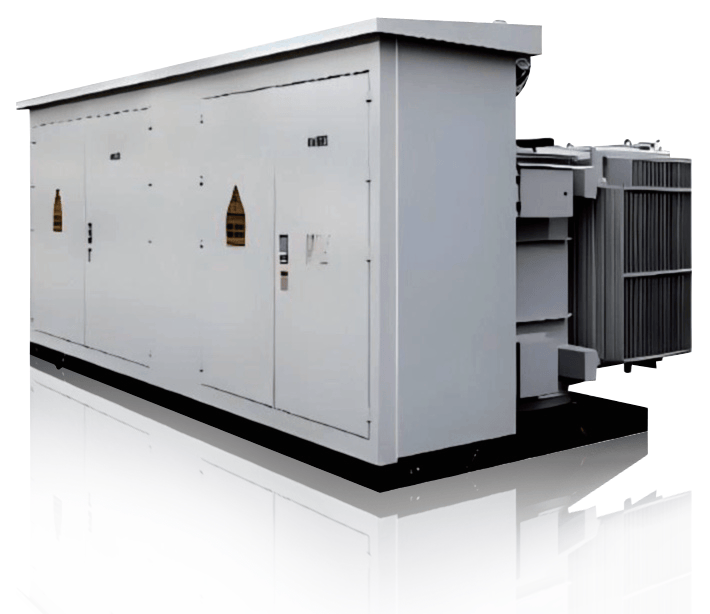
H-40.5/0.4~1.14kV New Energy Power Generation Dedicated High Voltage/Low Voltage Prefabricated Substation
XJ (Xiamen) Intelligent Power Equipment Co., Ltd.


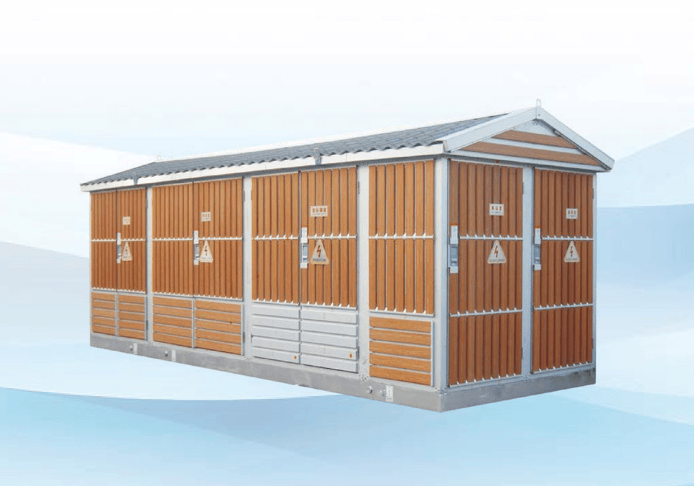
YB □ -12/0.4/1250 Outdoor Prefabricated Substation (European Style)
Shangrao Shangyu Intelligent Electric Co., Ltd.