Climate-Resilient Infrastructure Could Save Canada Billions Annually
Wedoany.com Report on Feb 11th, A recent report from the Canadian Climate Institute states that enhancing the climate resilience of public infrastructure could save Canada between $5 billion and $10 billion annually. The report emphasizes that preparing for extreme weather events like heavy rainfall and heat waves before they cause damage is more cost-effective than repairing the damage afterwards.
The report warns that due to chronic under-maintenance, 14% of the country's roads, bridges, stormwater pipes, and water treatment plants are in poor condition, with climate change exacerbating the vulnerability of this infrastructure. Canada's infrastructure stock is valued at $2.7 trillion, and restoring it to a good state of repair would require $294 billion without considering climate impacts. However, municipalities own over 60% of core public infrastructure but collect only 10% of national tax revenues, leading to limited maintenance capacity.
The report modeled three scenarios: no adaptation investment, reactive adaptation, and proactive adaptation. Without investment, annual infrastructure costs from extreme rainfall and heat stress alone could reach $14 billion by the 2050s, rising to $19 billion by 2085; costs would be higher with increased climate pollution. Reactive adaptation could save $4.5 billion annually, while proactive adaptation could save $9.9 billion annually.
Ryan Ness, Director of Adaptation at the Canadian Climate Institute, said, "Even at $10 billion per year in savings, the numbers in the report are an underestimate because they don't include indirect costs to health, society, and the economy." He added that proactive adaptation not only reduces emergency repairs and extends infrastructure lifespan but is also a smart investment.
The report calls on governments to expand funding, update standards, enhance data collection, and integrate climate resilience into public infrastructure planning. Ness noted that this helps maintain focus among competing priorities, connects to national building projects, and promotes economic stability and jobs.
From potholes to bridge failures, investing in climate-resilient infrastructure is crucial for communities. Ness concluded, "It protects infrastructure, communities, and the economy, delivering significant cost savings. It's a humanitarian and economic win-win strategy."
Related Products

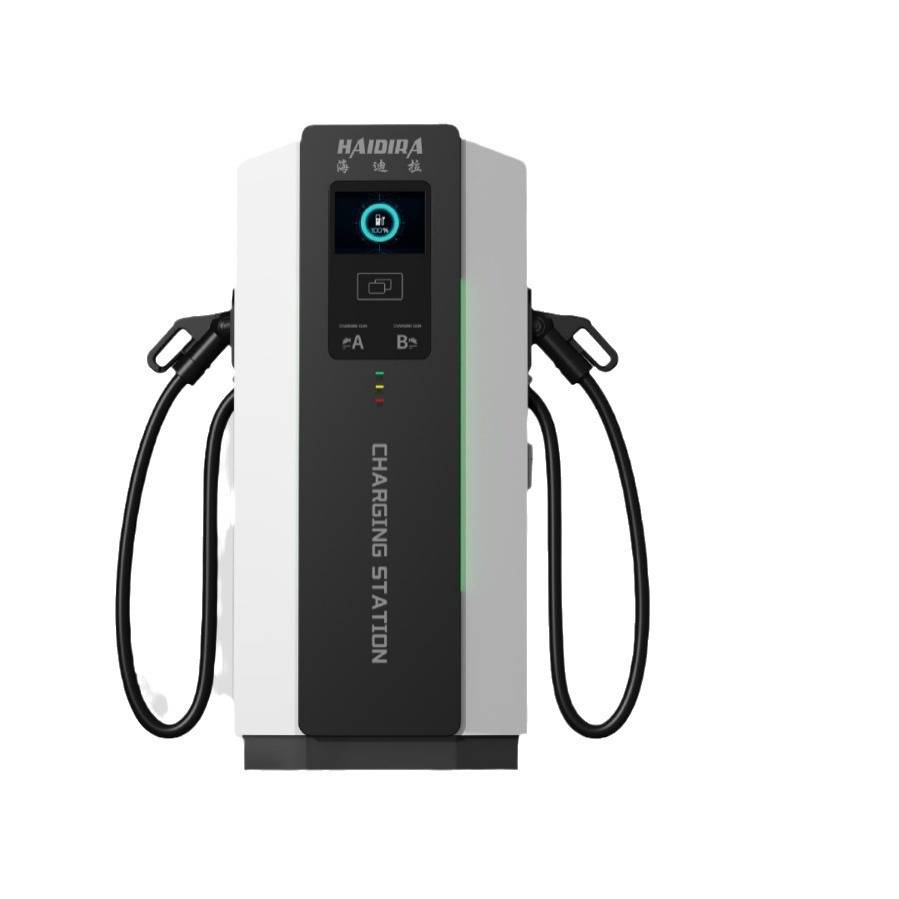
Manufacturer Direct Sales Tesla New Energy Electric Vehicle Universal DC 180kW Dual-gun Charging Pile Commercial Fast Charger
Anhui Haidira Electric Technology Co., Ltd.

HI-Pro Green Hydrogen High-efficiency Production System-HI-PRO-AEM
Hydrizon Technology (Beijing) Co., Ltd.
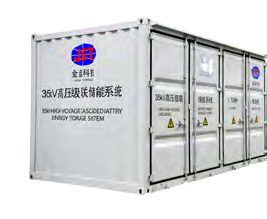
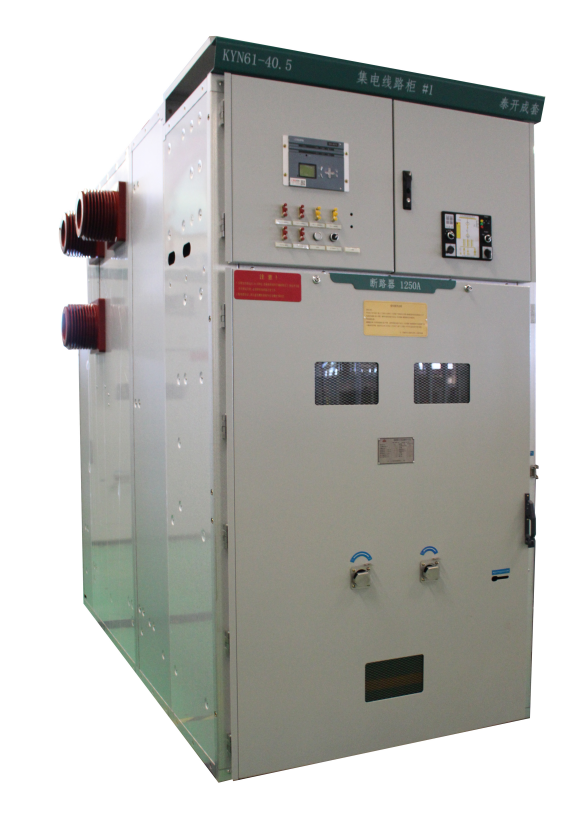
6kV-35kV Medium and High Voltage Direct-Connected Energy Storage System
Hainan Jinpan Smart Technology Co., Ltd.
Off-Grid Fuel Cell Supercharging Station (180kW Configuration)
Shanghai REFIRE Group Limited
G.652.D Wavelength-extended Non-dispersion Shifted Single-mode Optical Fiber
HONGAN GROUP CO., LTD.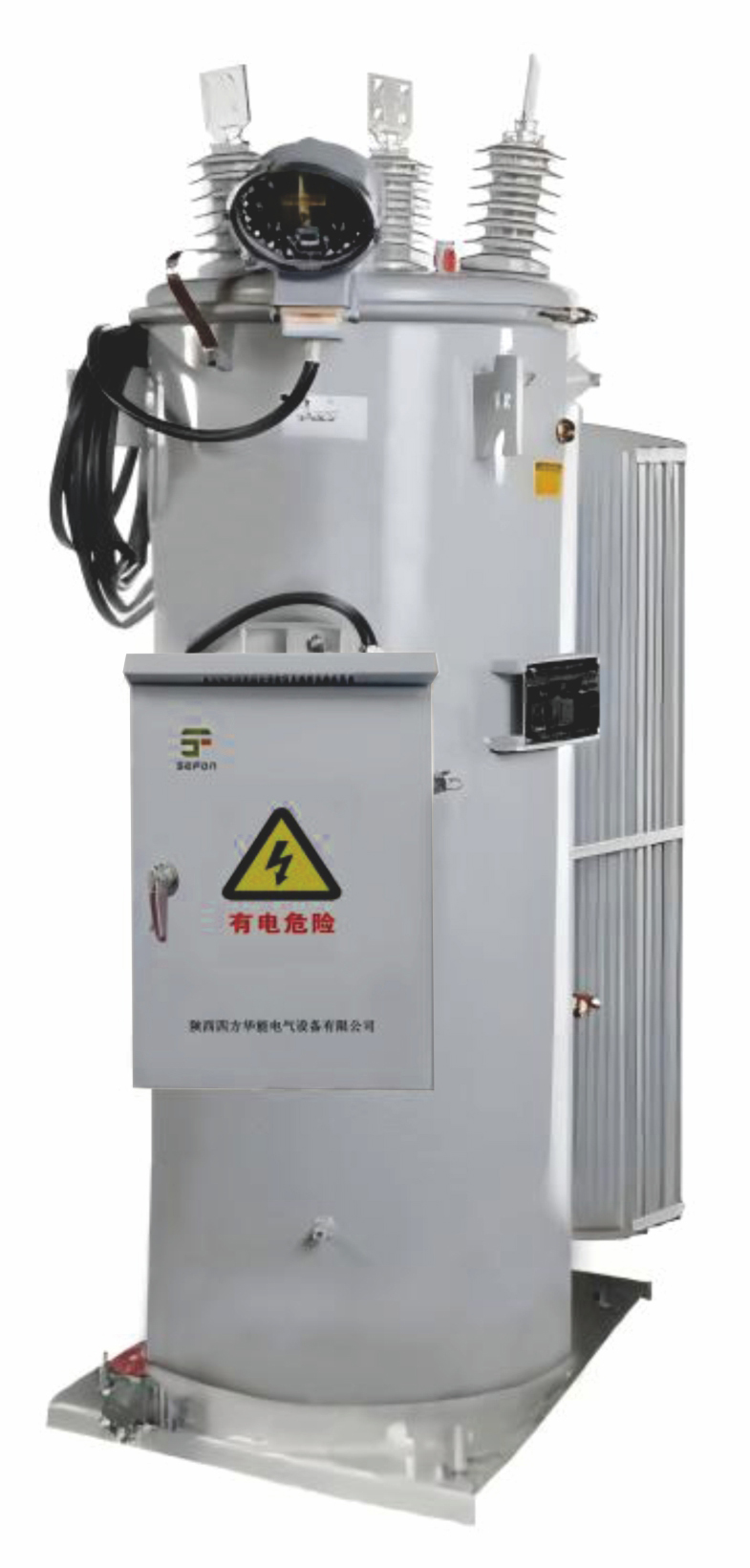
Single-Phase Automatic Voltage Regulator(AVR)
Shaanxi Sefon Electrical Equipment Co.,Ltd.