Rise Of China’s Xinjiang As Coal Hub Undercuts Climate Goals
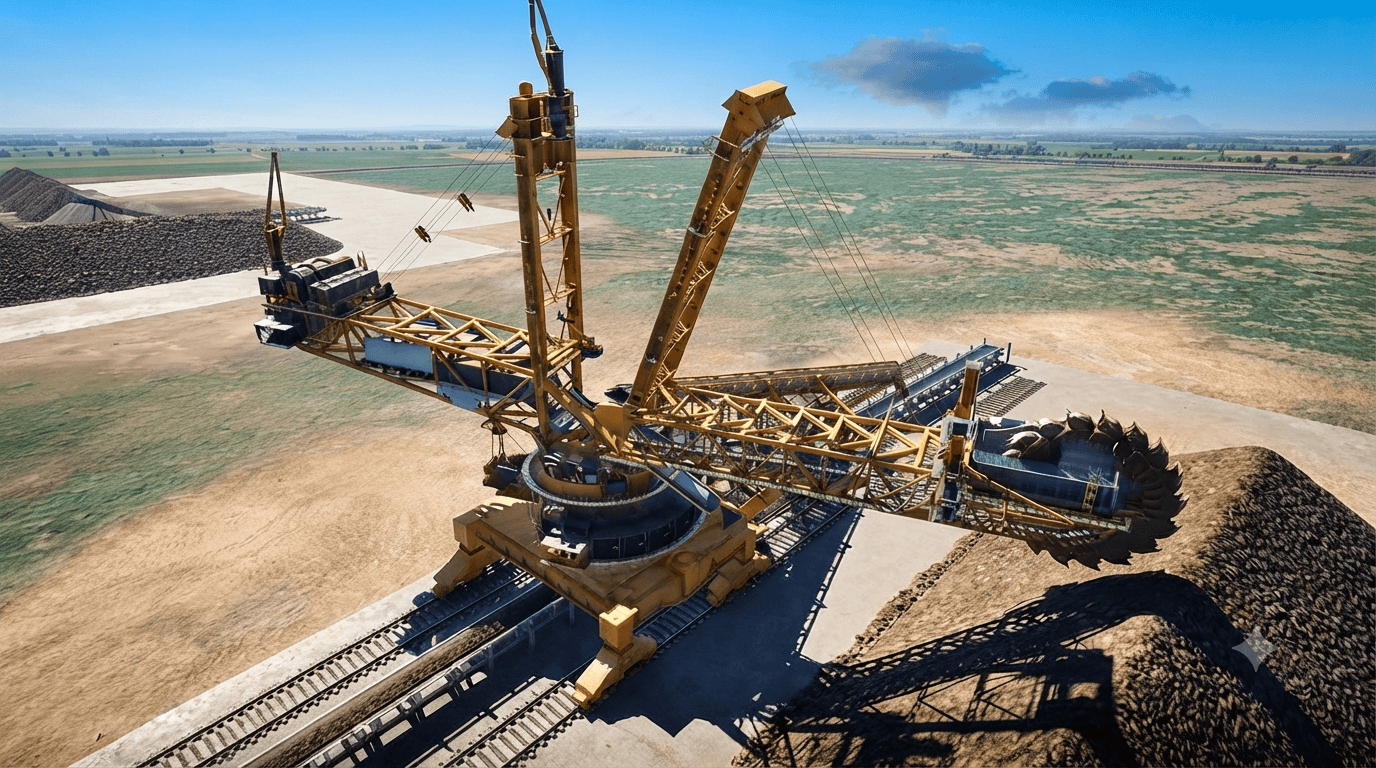
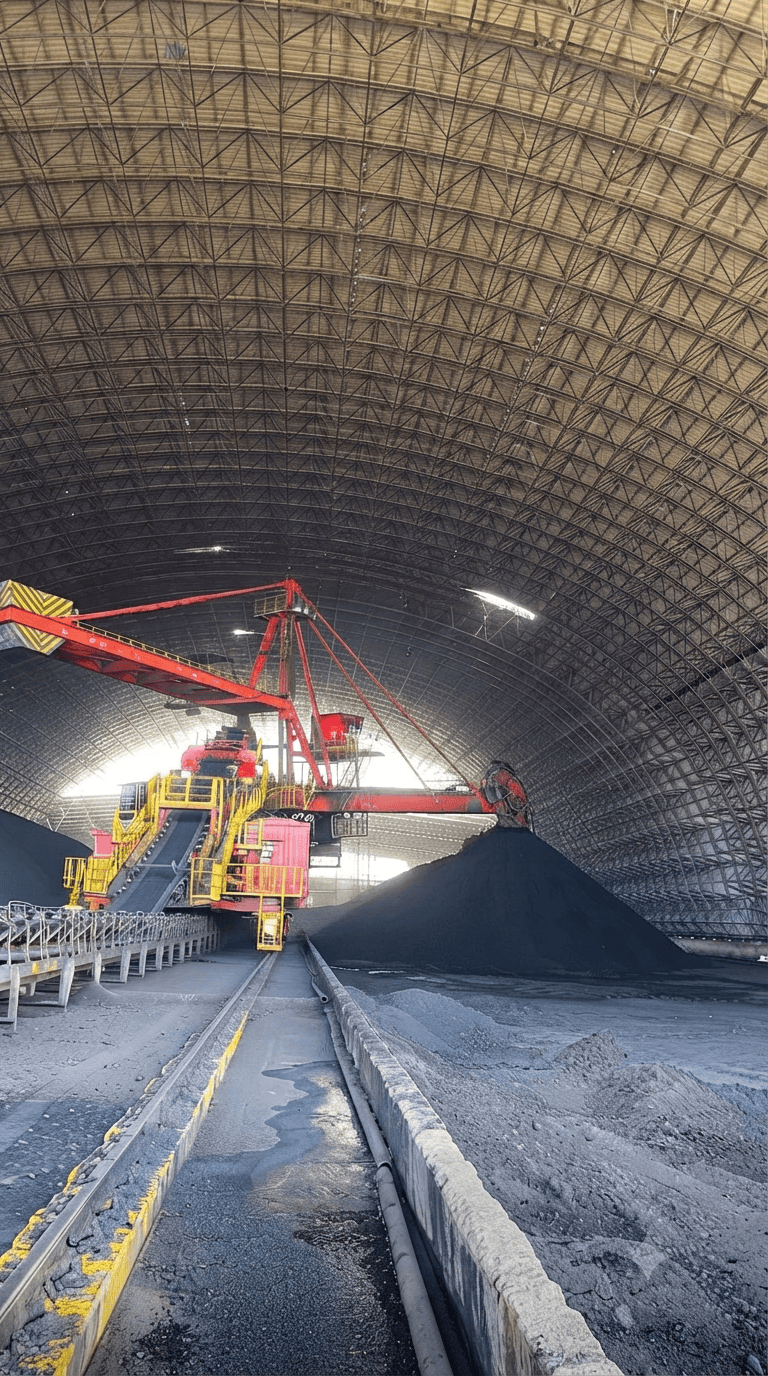
Wedoany.com Report-Nov 28, The western region of Xinjiang is emerging as a fourth hub for Chinese coal production, creating a new well of cut-price supply just as the country tries to start weaning itself off the heavily polluting fuel.
Output has surged 22% this year, the fastest growth of any region in China, and is on pace to top the half-billion ton mark by the end of December, according to data from the statistics bureau. Production costs are cheap at about 100 yuan ($13.80) a ton, far below the national average of around 370 yuan, Citigroup Inc. said.
Xinjiang’s rise up the rankings is jarring because China may be at or near its carbon peak, and cementing that shift relies heavily on using less coal. Although President Xi Jinping has vowed to start reducing nationwide consumption from 2026, several companies have announced new projects in recent months to take advantage of the region’s cheap and plentiful supply. That could undermine plans to rein in demand.
The problem historically for miners was Xinjiang’s location, thousands of kilometers from the eastern mega-cities that have traditionally consumed the most coal. But over the past decade, energy-thirsty endeavors like aluminum smelting and the production of polysilicon, used in solar panels, have shifted westward to take advantage of cheap coal and renewables.
About 80% of Xinjiang’s coal is used locally, with the rest exported to nearby provinces like Qinghai, Gansu and Ningxia, Citigroup’s analysts including Jack Shang said in a note earlier this week.
China is by far the world’s biggest producer and consumer of coal, and its other major mining hubs include Shanxi and Inner Mongolia, which each contribute over 1 billion tons a year, and Shaanxi, where output has increased to over 700 million tons.
Even before President-elect Donald Trump enters the White House, factories and exporters are busy preparing for long-promised tariffs.
President-elect Donald Trump’s pick for the top trade position sees China as a “generational challenge” to the US and has advocated for a strategic decoupling from the country.
China is continuing to buy US soybeans, confounding some traders who had expected the flow of shipments to slow down ahead of a potential trade war between both countries.
Related Products
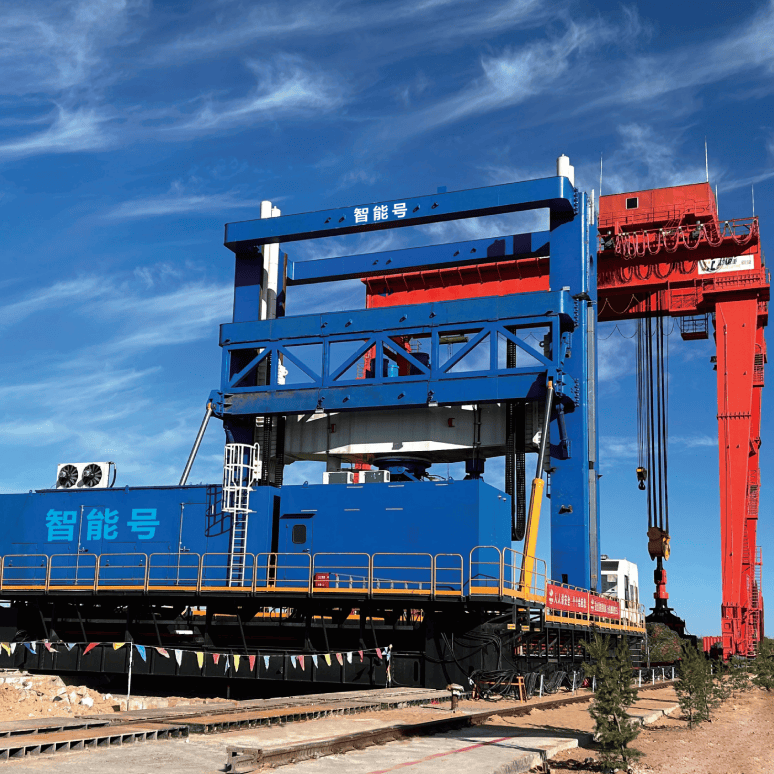

Mining Ventilation Shaft Drilling Rig
CCCC Tianhe Mechanical Equipment Manufacturing Co., Ltd.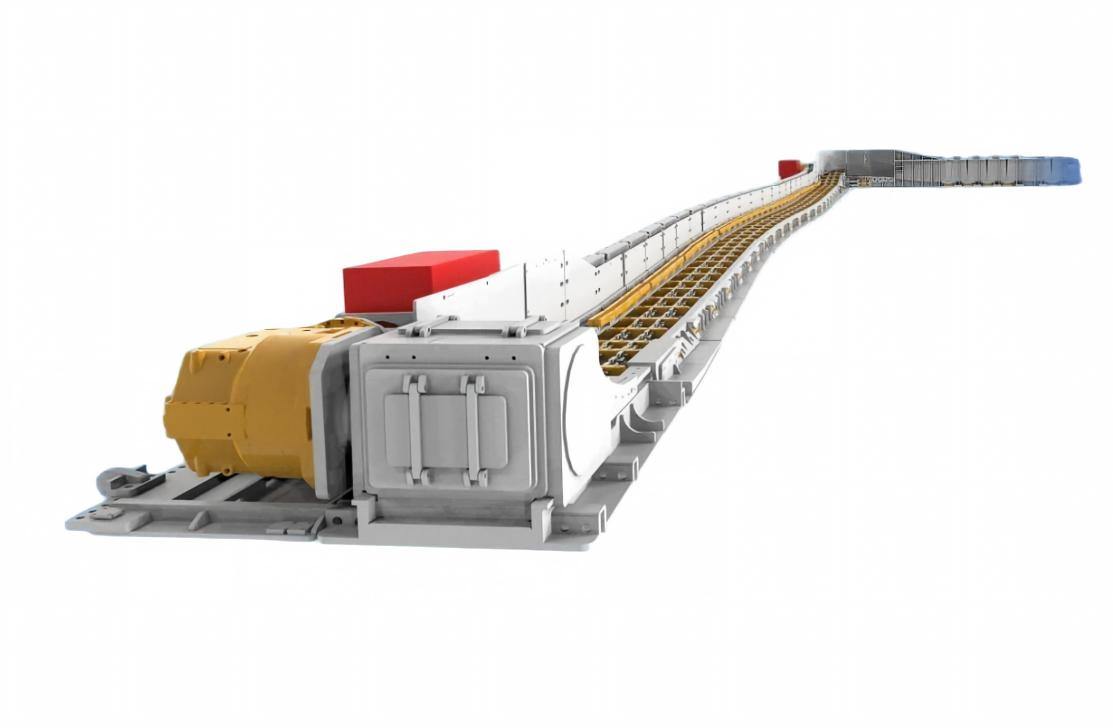
Intelligent Complete Conveying Equipment for Ultra-Long Working Faces
Ningxia Tiandi Benniu Industrial Group Co., Ltd.
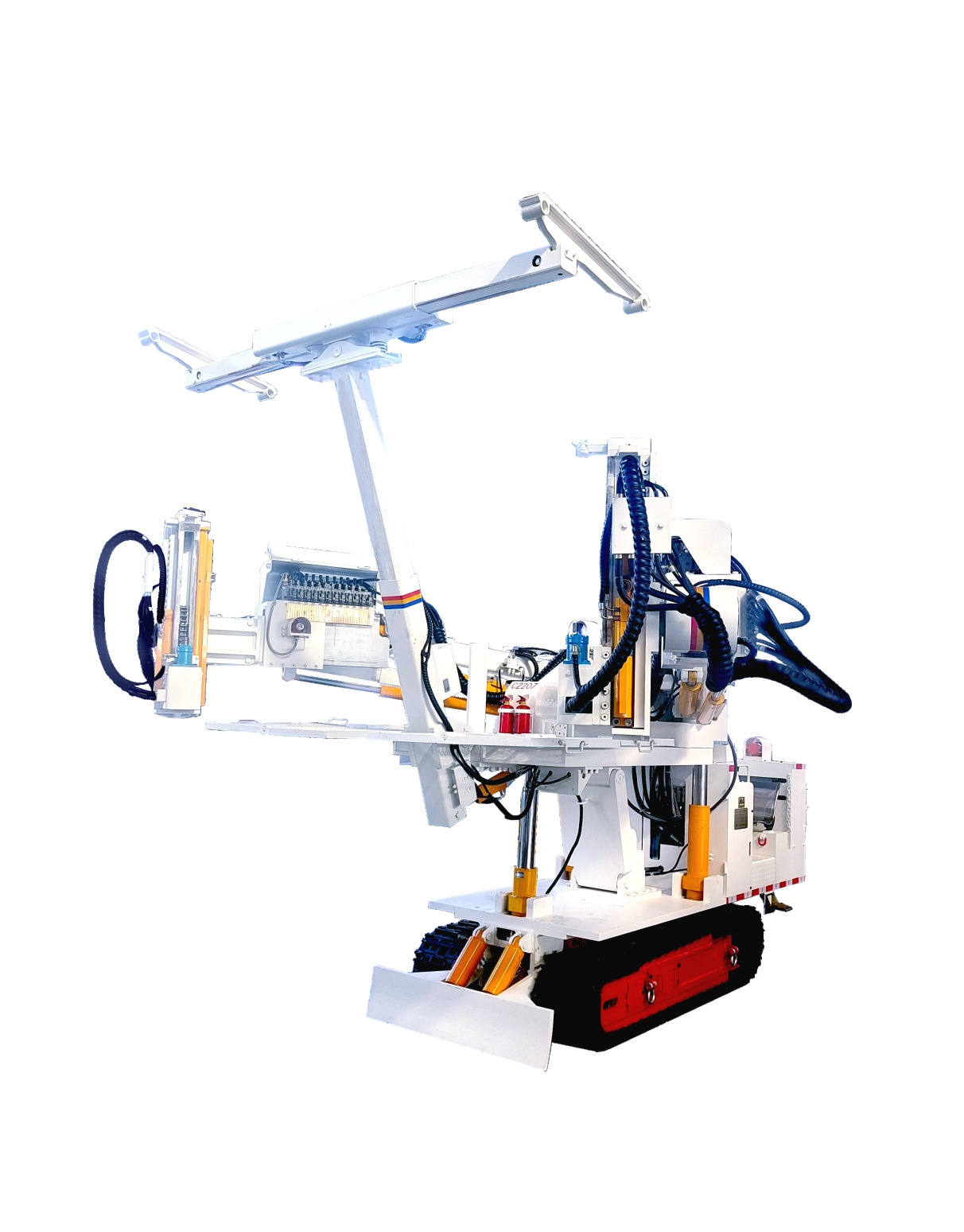
CMM2-15、CMM2-15Y Hydraulic anchor drilling vehicle for coal mines
Shanxi Tianju Heavy Industry Machinery Co., Ltd.