EU's 21% Share of Phosphorus Product Imports from Russia in 2025 Highlights Fertilizer Raw Material Dependence
In 2025, the European Union imported phosphorus products worth approximately €890 million from Russia, highlighting the bloc's continued high dependence on this crucial fertilizer nutrient as it attempts to reduce economic ties. According to preliminary data from the European Commission analyzed by the Swedish environmental company Ragn-Sells, imports of phosphate fertilizers and related phosphates from Russia last year accounted for about 21% of the EU's total phosphorus imports. Russia remains one of the EU's largest external suppliers of nutrients essential for crop production and animal feed.
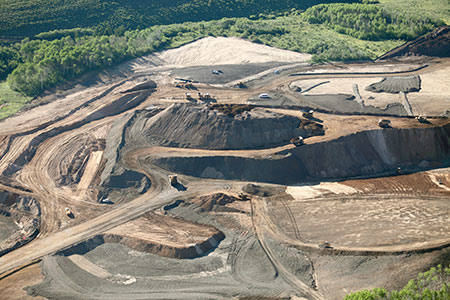
Phosphorus is one of the three primary nutrients in mineral fertilizers, alongside nitrogen and potassium, playing a central role in maintaining agricultural yields. The EU relies heavily on imports for the vast majority of its phosphorus, with key sources including Russia and Morocco, reflecting its limited domestic mining capacity. The bloc's only active phosphate mine is located in Finland, supplying less than 10% of European agricultural demand, leaving farmers and fertilizer producers dependent on imports to meet production needs.
Procurement of phosphorus products continues despite European policymakers seeking to enhance food security and reduce strategic dependencies. Compared to other sectors, fertilizer trade has been less impacted by sanctions, partly due to its importance to the global food supply chain. Industry participants and policymakers are debating whether Europe should expand domestic production or accelerate the use of recycled phosphorus to reduce reliance on imported materials.
EasyMining, a subsidiary developing phosphorus recovery technology, stated: "Regulatory barriers still limit the use of recycled phosphorus in certain applications, including animal feed." The European Commission has approved the use of recycled phosphorus in organic agriculture, but some restrictions remain under existing feed regulations. Sweden and Finland have called on the EU to reassess these rules and have urged the bloc to consider limiting fertilizer imports from Russia, citing supply security concerns.
This issue highlights the broader challenges facing the European fertilizer industry in navigating geopolitical tensions, limited domestic raw materials, and the need to ensure a stable nutrient supply for agricultural production. The EU's continued dependence on Russian phosphorus product imports has become a critical issue within the agricultural supply chain, requiring policy adjustments and technological innovation to address.
Related Products
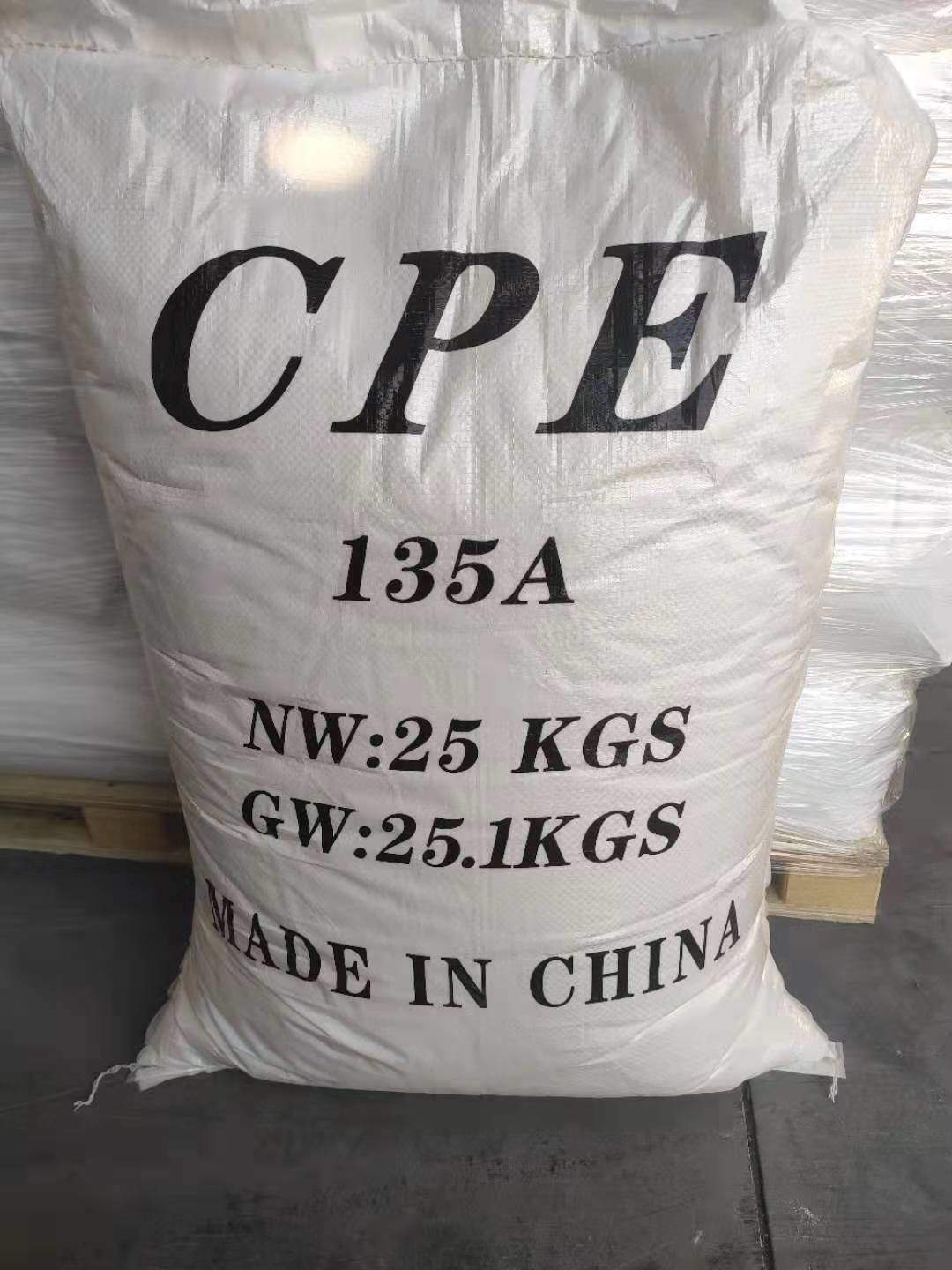

PVC Impact-Modified Chlorinated Polyethylene
Gansu Jinchuan Hengxin Polymer Technology Co., Ltd.
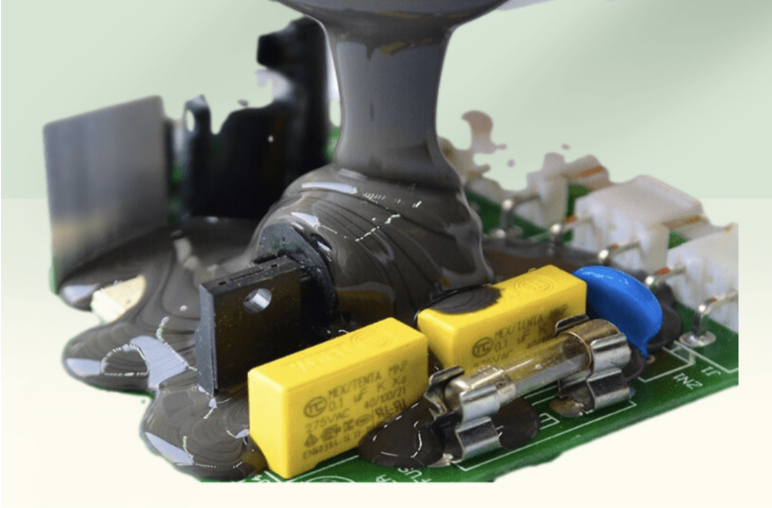
High Thermal Conductivity Encapsulating Resin
Nantong BESALL Sealing Technology Company.,Limited
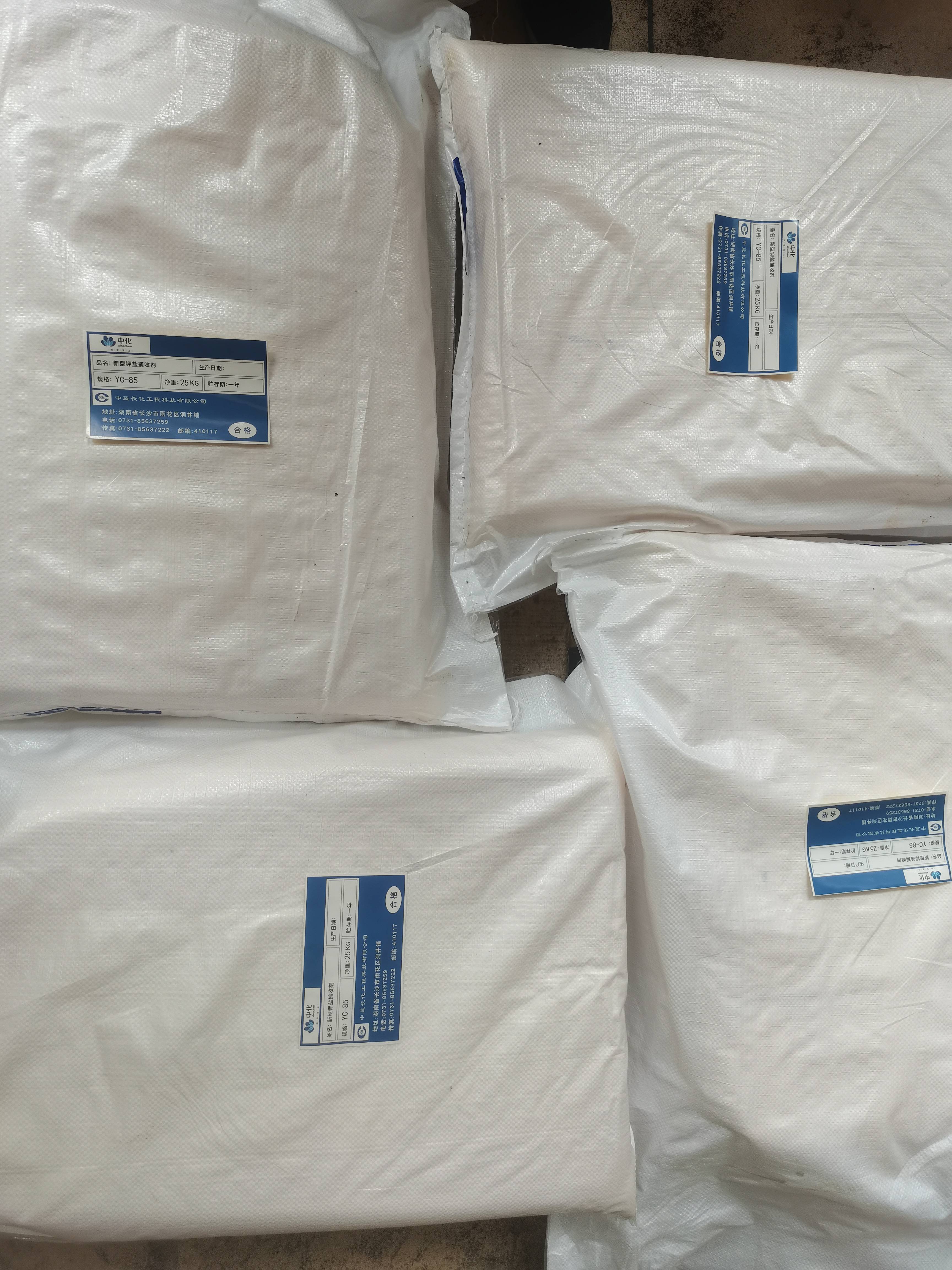
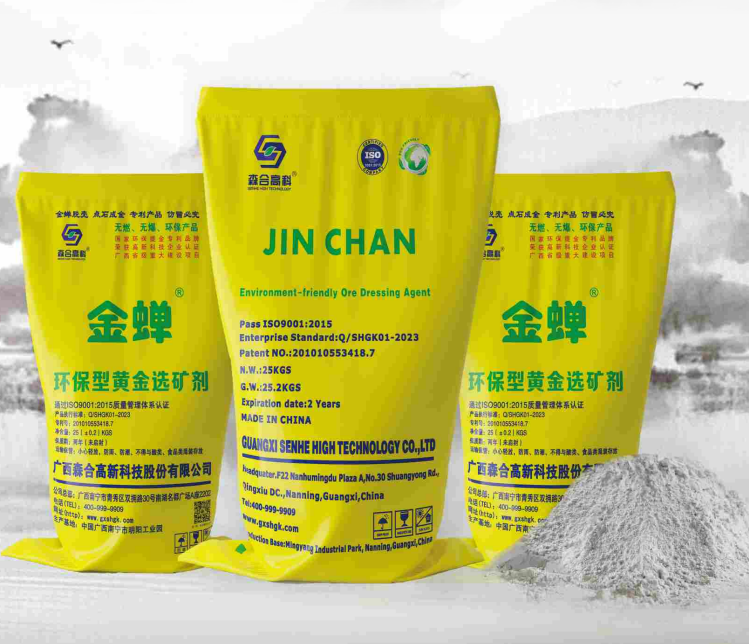
New Environmentally Friendly Green Potassium Salt Collector
Chonfar Engineering and Technology Co., Ltd.

CAP1400 main feedwater flow nozzle flowmeter.
Jiangsu Hongda Instrument Technology Co., LTD.