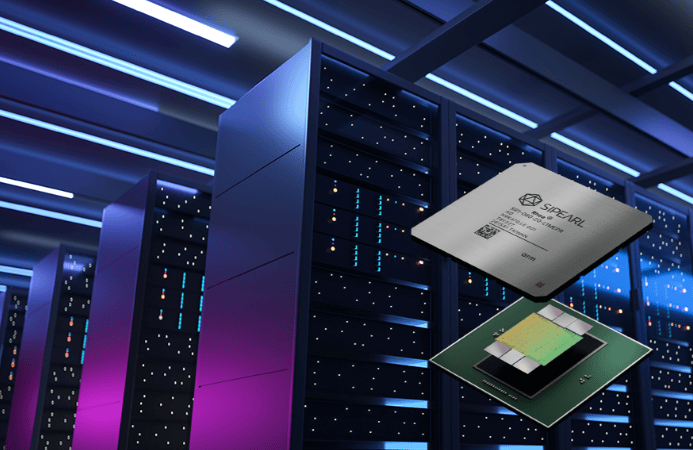
Meta and NVIDIA Deepen AI Infrastructure Collaboration, Deploying Millions of GPUs and CPUs
Meta and NVIDIA announced a deepening of their multi-year, multi-generation partnership to jointly expand AI infrastructure, planning to deploy millions of Blackwell and Rubin GPUs in data centers globally, while also adopting NVIDIA CPUs and Spectrum-X networking. The agreement covers both on-premises and cloud environments, supporting Meta's long-term development in large-scale AI training and inference. The two companies will co-design CPUs, GPUs, networking, and software to optimize Meta's personalized, recommendation, and generative AI workloads.
Meta will build hyperscale data centers optimized for model training and production inference. Deployments will include systems based on NVIDIA's GB300 and integrate NVIDIA Spectrum-X Ethernet switches into Meta's Facebook Open Switching System platform. Meta has also adopted NVIDIA's confidential computing technology for private processing in WhatsApp, enabling AI features while protecting user data, with plans to expand to more services.
The infrastructure expansion also includes NVIDIA's Arm-based Grace CPUs, marking the first large-scale, pure Grace deployment. Meta reports improved performance per watt for its data center applications through hardware-software joint optimization. The partners are developing the next-generation Vera CPU, targeting large-scale deployment in 2027, with engineering teams conducting deep co-design to accelerate Meta's next-generation AI models.
Jensen Huang, founder and CEO of NVIDIA, stated: "No one deploys AI at Meta's scale—combining cutting-edge research with industrial-scale infrastructure to deliver the world's largest personalized and recommendation systems to billions of users."
Analysis points out that the Meta-NVIDIA collaboration reflects a full-stack standardization strategy. By integrating GB300 systems, Grace CPUs, and Spectrum-X Ethernet, it reduces the complexity of training and inference clusters, improving software optimization and network efficiency. In the context of AI infrastructure expansion, this co-design helps optimize performance per watt, lower the total cost of ownership for data centers, and support a vertically integrated AI factory model from GPUs to CPUs.
Related Products
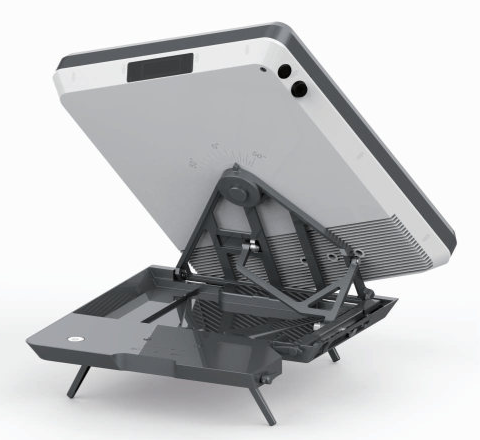

Flat Portable Satellite Terminal 0.35m Aperture Manual Portable Terminal
China Starwin Science & Technology Co., Ltd.
TWP16 P-Band Tropospheric Wind Profile Radar
China Huayun Meteorological Technology Group Co., Ltd.

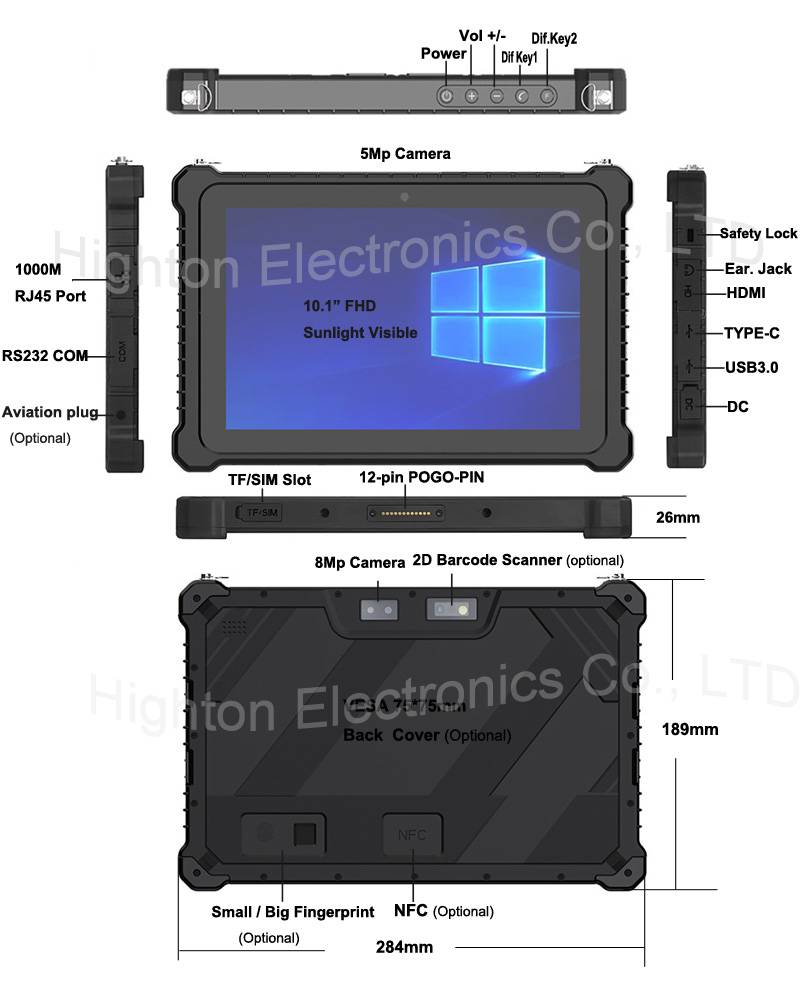
Hot Selling 10 Inch Intel N5100 I5 I7 FHD 8 +128GB 16+256GB Win10 Pro Win11 Pro 4G 5G Rugged Tablet PC Pad with NFC Barcode
Highton Electronics Co., Ltd.

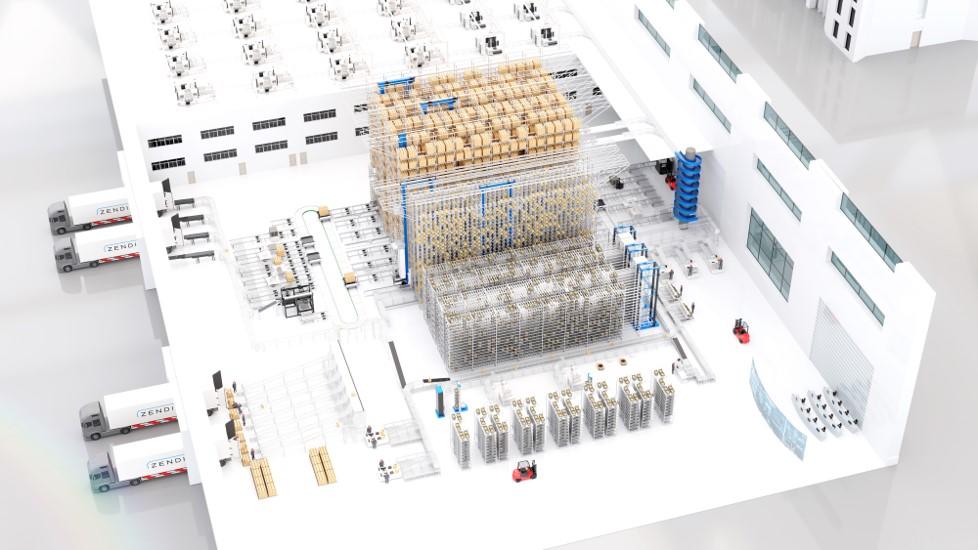
One-Stop Steward Service for the Entire Logistics System Integration Chain
Zhongding Intelligent (Wuxi) Technology Co., Ltd.
Conveyor Belt Intelligent Monitoring System
LUO YANG WIRE ROPE INSPECTION TECHNOLOGY CO., LTD.

Comprehensive Mining Automation Control System
Beijing Tianma Intelligent Control Technology Co., Ltd.
G.652.D Wavelength-extended Non-dispersion Shifted Single-mode Optical Fiber
HONGAN GROUP CO., LTD.