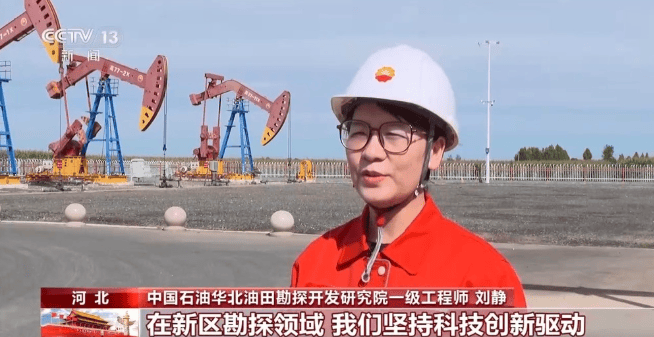
U.S. Crude Oil Inventories Fall by 9 Million Barrels; Refinery Utilization Rate Reaches 91.0%
The U.S. Energy Information Administration (EIA) released its weekly inventory data for the week ending February 13, 2026, showing that U.S. commercial crude oil inventories decreased by 9 million barrels from the previous week to 419.8 million barrels. This inventory level is approximately 5% below the five-year average for the same period, reflecting recent supply-demand adjustments in the crude oil market.
During the week ending February 13, 2026, U.S. crude oil refinery inputs averaged 16.1 million barrels per day, an increase of 77,000 barrels per day from the previous week. Refinery utilization rates rose to 91.0% of operable capacity, indicating active production operations as refining companies respond positively to market demand. Over the same period, U.S. crude oil imports averaged 6.5 million barrels per day, a decrease of 281,000 barrels per day from the previous week. The four-week average for crude oil imports was about 6.3 million barrels per day, down 1.3% from the same period last year, indicating a contraction on the import side.
Regarding petroleum products, motor gasoline imports averaged 353,000 barrels per day last week, while distillate fuel imports averaged 199,000 barrels per day. The four-week average total product supplied reached 21.2 million barrels per day, up 4.1% year-on-year. This metric is commonly used as a proxy for U.S. petroleum demand. The combination of declining inventories and rising refinery utilization reflects a relatively tight supply-demand balance in the current market. The EIA's weekly data provides important short-term trend references for market participants, aiding in the analysis of crude oil and petroleum product flow changes.
Related Products


Prefabricated Houses and Electrical Energy Boxes
Chengdu Ruilong Machinery Manufacturing Co., Ltd.
Perfluorinated Ionic Membrane-CM-10N Series Membrane
Guizhou Juneng Century Technology Co., Ltd

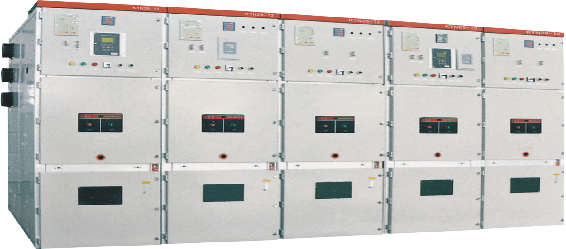
KYN28-12/24 Indoor High-Voltage Metal-Clad Removable Switchgear
Shenzhen Zhaoyang Hui Technology Co., Ltd.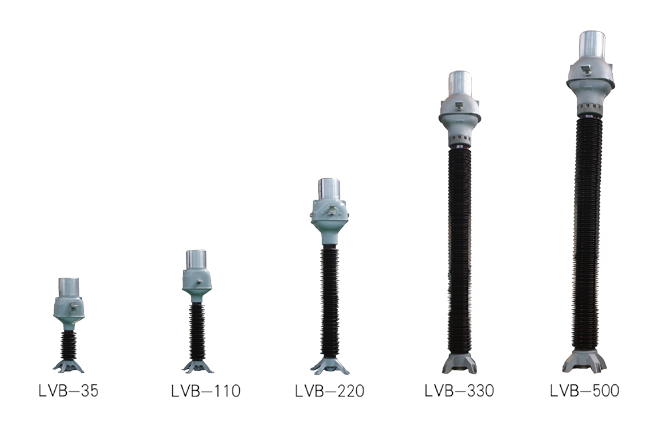
LVB Series 35-500kV Oil-immersed Inverted Current Transformer
Shandong Taikai Instrument Transformer Co., Ltd.
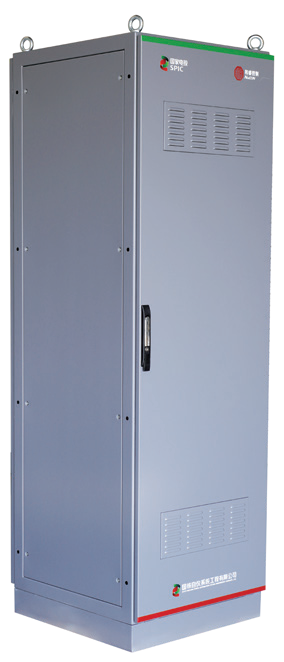
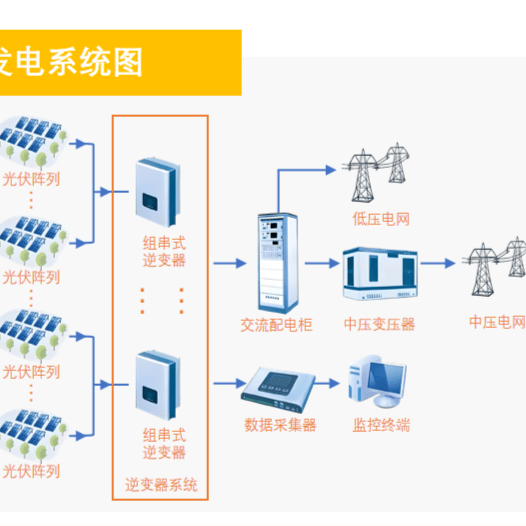
Photovoltaic and Wind Power Generation Technology
Beijing Boqi Electric Power SCI-TECH Co., Ltd.