
Scientists have proposed a blueprint integrating nature restoration with agriculture, suggesting that allocating at least 20% of farmland for rewilding and adopting wildlife-friendly farming practices on the remaining land can reverse biodiversity decline while maintaining food production. The related research was published in Frontiers in Ecology and the Environment.
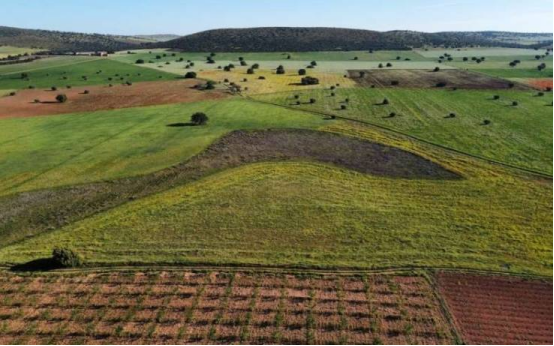
Since the 1940s, agricultural intensification has increased crop and livestock yields but has severely driven biodiversity loss, threatening long-term agricultural productivity through the decline of pollination, soil health, natural pest control, and water and nutrient retention.
One of the study's authors, ecologist Professor James Bullock from the UK Centre for Ecology & Hydrology (UKCEH), stated that reversing biodiversity loss and ecosystem degradation is crucial for nature and global long-term food security. However, there is no one-size-fits-all solution for nature recovery, and it remains unclear how to integrate rewilding into agricultural landscapes. The proposed approach transcends the land-sparing versus land-sharing divide, potentially making rewilding a key component of agricultural landscapes to sustain food production and achieve long-term sustainable use for both humanity and the planet.
The blueprint includes specific measures:
Core Conservation Zones: Designate at least 20% of farmland for rewilding as "core conservation zones," including habitat creation, tree planting, and introduction of key plant and animal species. These nature reserves adjacent to remaining farmland should ideally consist of large contiguous areas to enhance resilience, biodiversity, and ecosystem services.
Green Corridors: Connect rewilded areas with "green corridors" comprising small forest islands, shrublands, grasslands, and hedgerows and ponds within remaining agricultural land.
Small-scale Optimization in Farmland: Implement wildlife-friendly measures in many small areas of remaining farmland, such as green corridors, animal refuges, nesting sites, and bird habitats. These small areas should collectively account for at least 10% of farmland, and when combined with fallow land, can help meet national targets under the Kunming-Montreal Global Biodiversity Framework to restore 30% of degraded land.
Farming Techniques Integration: Combine rewilding measures with less destructive farming techniques on remaining agricultural land, such as reducing fertilizer and pesticide use and sowing flower strips for pollinators and invertebrates to provide natural pest control.
Livestock System Improvements: Adopt more extensive and wilder livestock systems allowing free grazing to enhance seed dispersal and beneficial disturbance to vegetation and soil.
Species Reintroduction: While many European habitats may not suit large apex predators or megaherbivores, they could benefit from introducing smaller species like lynx, wildcats, and European hares to boost biodiversity and create complex, resilient ecosystems.
Rewilding also offers multiple benefits. It can increase crop yields in surrounding farmland by enhancing soil protection, natural pest control, and pollination, partially offsetting overall yield losses from dedicating portions of farmland to rewilding. Farmers can increase income by improving crop quality and resilience, reduce farm costs by lowering agricultural intensity, and leverage government subsidies and tax incentives to support biodiversity and ecosystem services.
Lead author Professor José María Rey Benayas from the University of Alcalá near Madrid stated that combining rewilding with agriculture can create biodiverse, resilient, and functionally interconnected agroecological landscapes. While setting aside land for nature recovery may become a legal requirement for farmers and landowners, rewilding is more likely to be accepted and successful with incentives like payments for ecosystem services and tax exemptions.
The authors acknowledge that rewilding may not benefit all farming systems equally. Small farms need collective action to achieve significant progress at scale. Agricultural landscapes that benefit most from rewilding are the most intensive and degraded ones, primarily in developed countries; benefits are relatively lower in landscapes retaining substantial natural ecosystems and/or with lower agricultural intensification, common in some developing countries (including Indigenous-managed areas).