
On May 16, according to TASS, Russia's Ministry of Education and Science press office reported that experts at Dubna University have found a method to improve oil extraction processes, which helps manage water flows pushing oil to the surface more effectively.
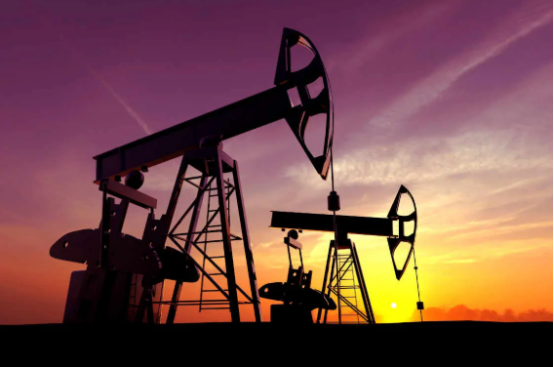
The news agency explained that injecting water into oil reservoirs is a way to bring more oil to the surface. However, sometimes the water only flows through the most thoroughly eroded parts of the rock, leaving other parts unused. To address this issue, researchers have invented a new method to monitor the direction of water flow. Specifically, water marked with special indicators is pumped into the well, samples are collected, and computer modeling is used to track where the water flows effectively and where it does not.
The research team from the Department of General and Applied Geophysics, led by Professor Mikhail Khozyaev, has applied for a patent for this innovative method, titled "A Method for Controlling Water Injection in Heterogeneous Reservoirs of Oil Fields."
The specific operation process of the new technology is as follows: Water marked with indicators is pumped into the injection well, water samples are collected from surrounding production wells over 90-120 days, and then the research scope is expanded. To improve efficiency, artificial channels are dug between oil wells—known as "high-permeability interlayers" in petroleum engineering terms. After detailed analysis and modeling, oil producers can reduce water injection volumes, especially inefficient water amounts.
The news agency quoted Professor Khozyaev as saying: "Our method helps better manage water supply, avoids unnecessary expenses, and makes the oil extraction process more predictable and economical. The university has obtained two patents in this field, published a monograph, and has articles in top journals."