
In December 2024, a tanker carrying fuel oil (refined petroleum products) sank in the Kerch Strait, with approximately 40% of its fuel leaking into the Black Sea, contaminating over 50 kilometers of coastline in the Krasnodar Territory and causing the death of dolphins, birds, and marine plants. Many environmental disasters are triggered by such destructive events. Against this backdrop, scientists at Perm National Research Polytechnic University conducted research on how oil pollution affects different types of Russian soils, aiming to identify which regions are more vulnerable to the negative impacts of such waste and which could even utilize it as a nutrient source. The research findings were published in the proceedings of the scientific conference Chemistry, Ecology, Urbanization, conducted under the framework of the Priority 2030 Strategic Academic Leadership Program.
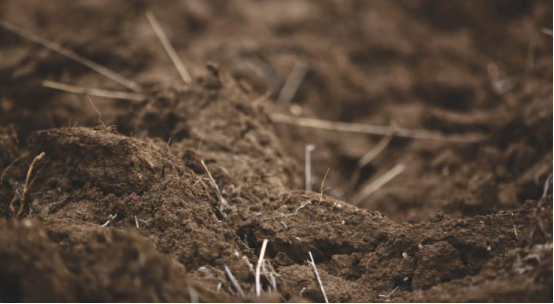
Saprophytic microorganisms play a vital role in soil ecosystems. They decompose dead organic matter (such as leaves, roots, and animal remains) into humus, releasing nitrogen, phosphorus, and potassium to nourish plants, improving soil structure to make it loose and fertile, while also suppressing harmful bacteria. The term "saprophyte" derives from the Greek words "sapros" (meaning "rotten") and "phyton" (meaning "plant"). For example, saprophytic microorganisms can transform compost into valuable fertilizer; without them, such materials would accumulate as waste, and soils would lose fertility.
However, when soils are contaminated with oil, the population of saprophytic microorganisms decreases, disrupting the natural balance and affecting soil quality. Experts predict that by 2025, oil production will reach approximately 515 to 520 million tons. Such high production levels, combined with the potential emergence of new oil fields, make studying the impact of hydrocarbons on various soils an urgent priority, particularly in Russia’s southwestern and eastern regions, where research on oil impacts remains insufficient.
To determine the effects of oil on fertile soils, scientists at Perm Tech University selected different soil types from various Russian regions, including humus-carbonate soils, clay and dark chestnut soils, typical brown soils, and volcanic dry peat soils. Analysis showed that, in control samples, the highest initial populations of saprophytic bacteria were found in clay and dark chestnut soils (common in Volgograd, Rostov, and Orenburg regions), while the lowest were in humus-carbonate soils (common in Stavropol Territory, Rostov Region, Karachay-Cherkess Republic, and Kabardino-Balkaria).
Associate Professor Elvira Sakaeva from the Department of Environmental Protection at Russia’s University of Natural Resources and Natural Sciences, and Candidate of Technical Sciences, commented: "We artificially contaminated the samples with oil and used clean soil as control samples for comparison. The study showed that the most toxic oil concentration is 50g/kg, at which the number of saprophytic bacteria decreased in all samples after oil addition. However, for bacteria in humus-carbonate soils, oil acted as a growth activator, particularly at concentrations of 5g/kg and 20g/kg. This indicates that low doses of oil can stimulate the growth of beneficial bacteria, as they feed on hydrocarbons. A similar mechanism applies to regions like Stavropol Territory, Rostov, and others with such soils."
Understanding the impact of oil on different soil types helps in selecting optimal cleanup methods, such as bioremediation (using bacteria to break down oil) or physicochemical methods (such as flushing and using adsorbents). Experiments showed that the impact of waste depends on the soil type.
Moreover, given the distribution of new oil fields, it is necessary to improve oil extraction and transportation technologies, such as using less toxic drilling fluids and sealed pipelines to prevent leaks. The research by Perm Tech University scientists is part of efforts to mitigate environmental damage, addressing ecological challenges by restoring and cleaning soils contaminated and depleted by human-induced pollutants.