
The Biomechatronics Lab led by Associate Professor Zach Lerner at Northern Arizona University has achieved a major scientific breakthrough with the launch of the first comprehensive open-source exoskeleton framework, OpenExo, now freely available worldwide, bringing new opportunities to the field of exoskeleton development and research.
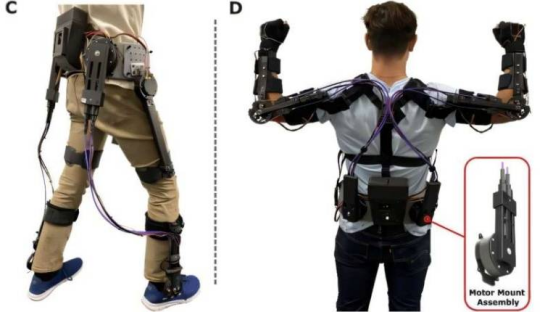
For years, developing complex electromechanical exoskeleton systems has been hindered by high costs and long development times, preventing many research projects from getting off the ground. The introduction of OpenExo is expected to change this landscape. Effective exoskeletons must be biomechanically beneficial to the wearer, requiring extensive testing, adaptation to specific use cases, and integration of numerous moving components, technologies, and system dependencies—spanning expertise in engineering, computer science, physiology, and more. The OpenExo system effectively addresses these challenges, allowing new developers to build upon years of prior research.
Published in Science Robotics, this open-source system provides detailed instructions for building single- or multi-joint exoskeletons, including design files, code, and step-by-step guides—freely accessible to users worldwide. Professor Lerner stated: "Our project is critical to the research community, significantly lowering the barrier to entry. In an era of reduced federal funding, open-source systems like OpenExo are increasingly vital for advancing cutting-edge research in robotic-assisted rehabilitation and mobility enhancement."
Lerner's team has already made significant strides in the field, helping children with cerebral palsy keep pace with peers and optimizing rehabilitation for patients with gait impairments and disabilities. The research has received millions in funding and has led to a spin-off project commercializing a robotic ankle device. Lerner and his students have also secured nine patents related to exoskeleton development.
Lerner hopes OpenExo will drive progress in the field, saying: "Exoskeletons change lives—nothing is more rewarding than researching technology that can immediately have a positive impact on people's lives." In the future, with the widespread adoption of OpenExo, the vision of enabling people with disabilities to walk independently using robotic legs may be realized much sooner.