
A new study from the International Centre for Brewing and Distilling at Heriot-Watt University has found that juniper berries—the key botanical that gives gin its distinctive flavour—can vary dramatically depending on where they are grown and the weather conditions at harvest time, potentially impacting Britain's favourite spirit. The findings were published in the Journal of the Institute of Brewing.
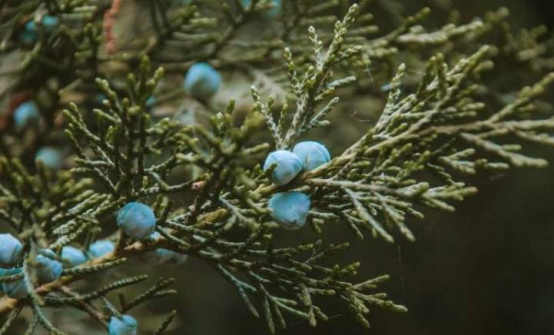
The research shows that changing weather patterns alter the flavour compounds in juniper berries. Assistant Professor Matthew Pauley from the International Centre for Gin Research said that, compared to dry years, harvest years with abundant rainfall reduce the total amount of volatile compounds in juniper by about 12%, which has a direct impact on the taste of gin.
Regional differences are also very significant in juniper flavour. The study examined juniper berries from seven different regions in Europe—Albania, Bosnia, North Macedonia, Montenegro, Serbia, Kosovo, and Italy—covering both established major producing areas and emerging regions. Pauley noted that, just as terroir affects the flavour of grapes in wine, gin also has regional characteristics; berries from each producing area have unique chemical profiles, with some compounds varying markedly between regions, potentially influencing the final gin's woody, resinous, citrus, and floral notes.
The impact of climate on juniper flavour is also pronounced. Harvest-year weather conditions varied greatly; 2017 was wetter than 2018, and increased rainfall extended the drying time of the berries, thereby affecting their chemical composition. Study supervisor Professor Annie Hill said the least water-soluble compounds are most susceptible to post-harvest drying conditions, meaning flavour characteristics change with harvest conditions—a risk for the multi-billion-pound gin industry that prides itself on consistency and quality for consumers.
The results suggest that subtle changes in gin may be caused by climate conditions affecting juniper berry supply. As climate change impacts global agricultural products, the gin and tonic drinkers enjoy in the evening could become another barometer of planetary change. However, Pauley believes the gin industry can adapt; every year the industry participates in the "Great Sniff" event to evaluate the juniper harvest before purchasing supplies for the next one to two years. As long as changes are monitored closely and high-quality juniper is sourced from different regions, gin and tonic can maintain its quality.
Premium gin producers typically source juniper from specific regions to maintain a consistent "house style." As climate patterns shift, distillers may need to adjust procurement strategies, production parameters, or blending techniques. Pauley said that as climate change affects growing conditions worldwide, monitoring its impact on existing juniper crops and understanding emerging growing areas is becoming increasingly important. This research will help gin distillers make more informed decisions regarding sourcing, harvest timing, and drying regimes, ensuring that gin and tonic retains its expected flavour profile amid environmental change.