
Researchers at the University of Missouri are using artificial intelligence technology to transform energy management practices on large campuses (including the University of Missouri itself), with the goal of helping institutions nationwide optimize efficiency, reduce operating costs, and decrease carbon emissions.
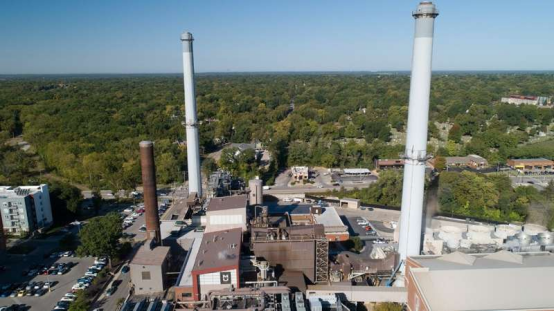
In a recently published study, researchers from the College of Engineering, Sanjeev Khanna and Saad Alsamraee, analyzed six years of data collected from 2017 to 2022 at the University of Missouri's combined cooling, heating, and power plant. This data covers energy usage across the entire campus as well as environmental variables such as air temperature, humidity, wind speed/direction, and solar radiation, all tracked on an hourly basis. The study, titled "High-Resolution Energy Consumption Forecasting for University Campus Power Plants Based on Advanced Machine Learning Techniques," was published in Energy Strategy Reviews.
Using machine learning, the research team successfully predicted campus energy demand for 2023 with an accuracy of up to 94%. Khanna stated: "By understanding the peaks and valleys of energy demand—even on an hourly basis—and the amount of energy required, we can ultimately help power plants plan ahead more effectively and achieve efficient energy utilization. This research can assist universities and businesses in reducing carbon emissions and saving costs." Additionally, the ability to predict energy low periods allows universities to schedule maintenance more reasonably, minimizing disruptions to the greatest extent possible.
Although the study focused on energy data from the University of Missouri, the results indicate that machine learning can help power plants across the country operate more efficiently.
Khanna is a professor of mechanical engineering and director of the Midwest Industrial Assessment Center. He not only helps local industries throughout Missouri reduce energy use and carbon emissions but has also reduced the state's electricity demand by approximately 300 megawatts, generating an economic impact exceeding $120 million while reducing carbon emissions by more than 800,000 tons annually.
Khanna said: "Our collaboration with the University of Missouri sets us apart from other universities. The institution strongly supports unconventional thinking, and working at a land-grant university allows our research to serve industries across the entire state."