
Farmers often face difficult decisions regarding the amount of nitrogen fertilizer to apply during corn planting. Variable spring weather further disrupts pre-planting fertilization plans, yet this decision is crucial: too little nitrogen limits crop yield and reduces profits; too much diminishes fertilizer economic benefits, may degrade the environment, and does not increase yield.
However, a new study recently published by the University of Minnesota in the Soil Science Society of America Journal brings good news, significantly improving a tool that guides farmers' nitrogen fertilizer application decisions.
The Pre-Sidedress Nitrate Test (PSNT) is a well-known tool that helps farmers determine if corn crops need more nitrogen by utilizing soil nitrate conditions to assist decision-making. Researchers updated the PSNT thresholds by analyzing data from 34 field trials in Minnesota (covering a wide range of soils, weather, and cropping systems).
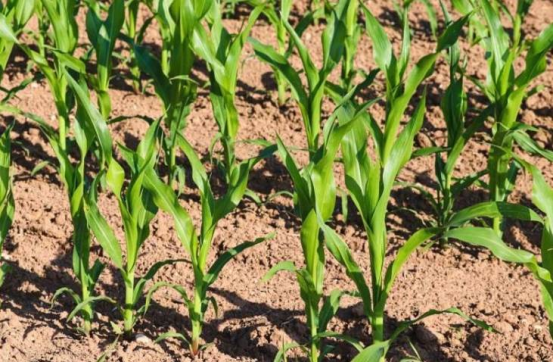
The study found: When corn has four to six fully expanded leaves, measuring nitrate content of 20 parts per million in the top 12 inches of soil can reliably achieve 97% of maximum yield; spring precipitation affects PSNT values, with higher thresholds in dry years (21.5 parts per million) and lower thresholds in wet years (17.4 parts per million); if PSNT is below 20 parts per million, approximately 12.3 pounds of nitrogen per acre are needed for each part per million shortfall to reach the critical level. PSNT is particularly valuable when wet conditions affect pre-plant nitrogen application or when significant residual nitrogen is suspected, as it promptly checks nitrogen availability.
Lead author Emerson Sousa, a researcher in the College of Food, Agricultural and Natural Resource Sciences, stated that nitrogen fertilizer decisions often change, especially in poor spring weather. PSNT allows farmers to understand field nitrogen status in real time without guessing and to quickly adjust when soil is nitrogen-deficient. The researchers recommend using 20 parts per million nitrate as the statewide critical threshold, as early precipitation affects soil nitrate availability and crop nitrogen demand.
Although the current estimates reflect average conditions in Minnesota, further research is needed to refine guidance for actual sidedress fertilizer applications, particularly under variable climate and soil conditions.
The project was initially conceived by Extension soil scientist and professor Fabian Fernández in the College of Food, Agricultural and Natural Resource Sciences and later became a collaboration between the University of Minnesota and the Minnesota Department of Agriculture. Fernández noted that the project highlights the value of collaboration, goodwill, trust, and data sharing in achieving common goals.
All data used in this project were previously collected, with participation from multiple researchers at the University of Minnesota, University of Minnesota Extension, University Research and Outreach Centers, and the USDA Agricultural Research Service.