1. Price Trend Analysis: Finished Flange Prices vs. Steel Inputs
No global public transaction-price index exists for industrial flanges. This report therefore uses U.S. BLS/FRED indices for metal pipe fittings, flanges and unions as transparent price-direction proxies. These proxies are not global export prices and do not replace project quotations, but they are useful for tracking the finished-product price plateau and comparing it with steel input cycles.
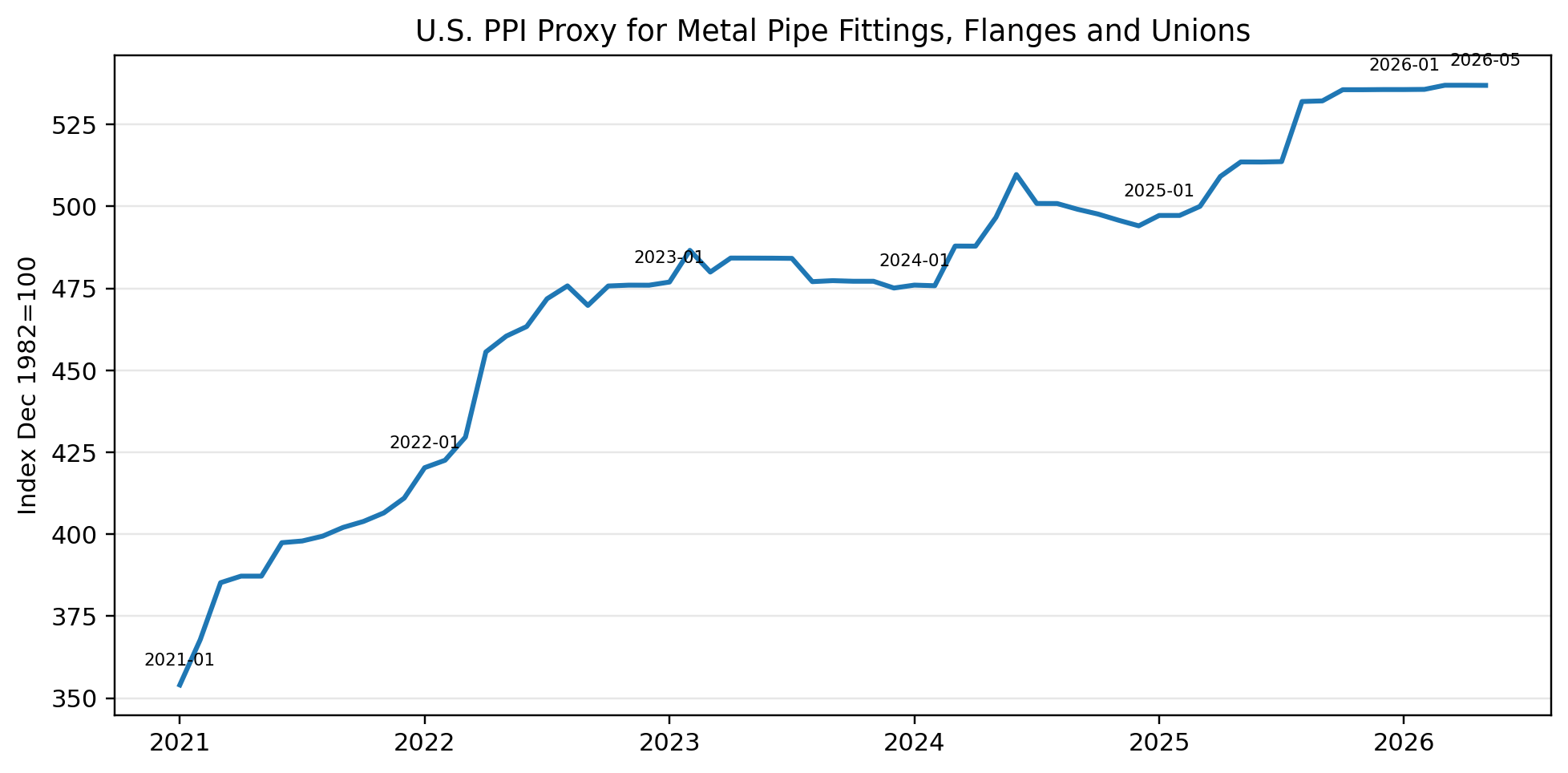
Figure 1. U.S. PPI proxy for metal pipe fittings, flanges and unions, 2021–May 2026
Source: U.S. Bureau of Labor Statistics via FRED, WPU114903. Monthly, not seasonally adjusted. Used as a price-direction proxy; not a global flange quotation series.
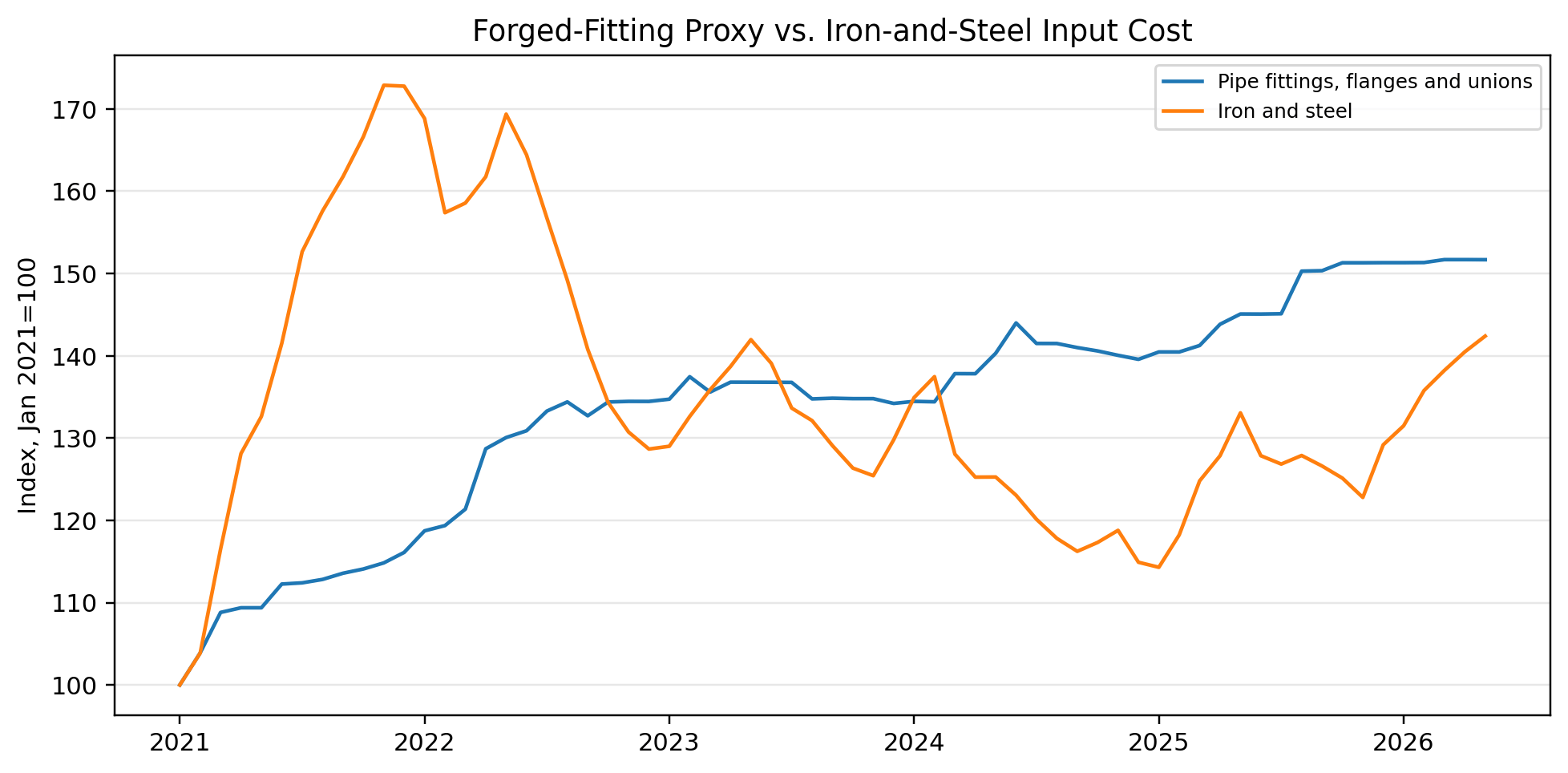
Figure 2. Finished fitting/flange proxy vs. iron-and-steel input cost, rebased to Jan 2021
Sources: U.S. Bureau of Labor Statistics via FRED, WPU114903 and WPU101. Rebased calculation by report author.
|
Year |
WPU114903 annual average |
YoY change |
WPU101 annual average |
YoY change |
|---|---|---|---|---|
|
2021 |
391.6 |
— |
356.7 |
— |
|
2022 |
458.1 |
17.0% |
380.5 |
6.7% |
|
2023 |
480.3 |
4.9% |
333.1 |
-12.5% |
|
2024 |
493.5 |
2.7% |
309.1 |
-7.2% |
|
2025 |
517.9 |
4.9% |
314.4 |
1.7% |
|
2026 |
536.4 |
3.6% |
345.3 |
9.8% |
Note: 2026 averages cover January–May only. WPU114903 = metal pipe fittings, flanges and unions; WPU101 = iron and steel.
2. Price-Scope Disclosure: What Is a Flange Price?
|
Price level |
Usually included |
Often excluded or variable |
Procurement use |
|---|---|---|---|
|
Ex-works flange |
Forged/cast item, machining, basic marking and packing |
Freight, duty, third-party inspection, special testing, gaskets, bolts |
Factory price comparison |
|
FOB export price |
Ex-works item plus export packing and port delivery |
Ocean freight, marine insurance, duties, inland destination logistics |
Cross-border sourcing baseline |
|
CIF/CFR destination port |
FOB plus ocean freight and insurance depending on Incoterm |
Destination duty, VAT/GST, customs clearance, inland transport |
Import landed-cost planning |
|
DDP project site |
Product, freight, duty, clearance and inland delivery |
Installation, bolting, gasket, hydrotest and rework risk |
Budgeting for EPC material packages |
|
Installed flange joint |
Flange pair, gasket, bolts, labor, alignment and tightening |
Hot-work permits, shutdown cost, scaffolding, testing and rework |
Lifecycle/project economics |
|
Flange type |
Cost profile |
Price premium drivers |
Typical use |
|---|---|---|---|
|
Weld-neck flange |
Higher machining and forged neck mass |
Neck length, bore match, bevel, pressure class and RTJ face |
High pressure, cyclic loading, process piping |
|
Slip-on flange |
Lower machining and lower forging complexity |
Face finish, pressure class and coating |
Lower pressure and general utility service |
|
Blind flange |
Material-heavy; no bore but full face machining |
Diameter, thickness, class and material grade |
Line isolation, vessel nozzles, test points |
|
Socket-weld flange |
Small-bore item; machining accuracy critical |
Socket dimensions, pressure class, alloy grade |
Small-bore high-pressure piping |
|
Threaded flange |
Machining-driven for threads |
Thread quality, galvanizing, material |
Low-pressure systems where welding is avoided |
|
Lap-joint flange |
Used with stub ends; good for lined/alloy systems |
Stub-end compatibility, loose flange material, corrosion strategy |
Corrosive service and frequent dismantling |
|
RTJ / high-pressure flange |
High machining precision and inspection burden |
Ring groove accuracy, pressure class, NDT, documentation |
Oil & gas, hydrogen, high-temperature and sour service |
3. Cost Structure: From Forging Billet to Certified Flange
Flange cost is a conversion-cost problem as much as a metal-cost problem. In ordinary carbon steel, raw material may represent about half of ex-works cost. In stainless or duplex grades, alloy cost can dominate. In high-pressure flanges, machining time, heat treatment, NDT and documentation become more important than weight alone.
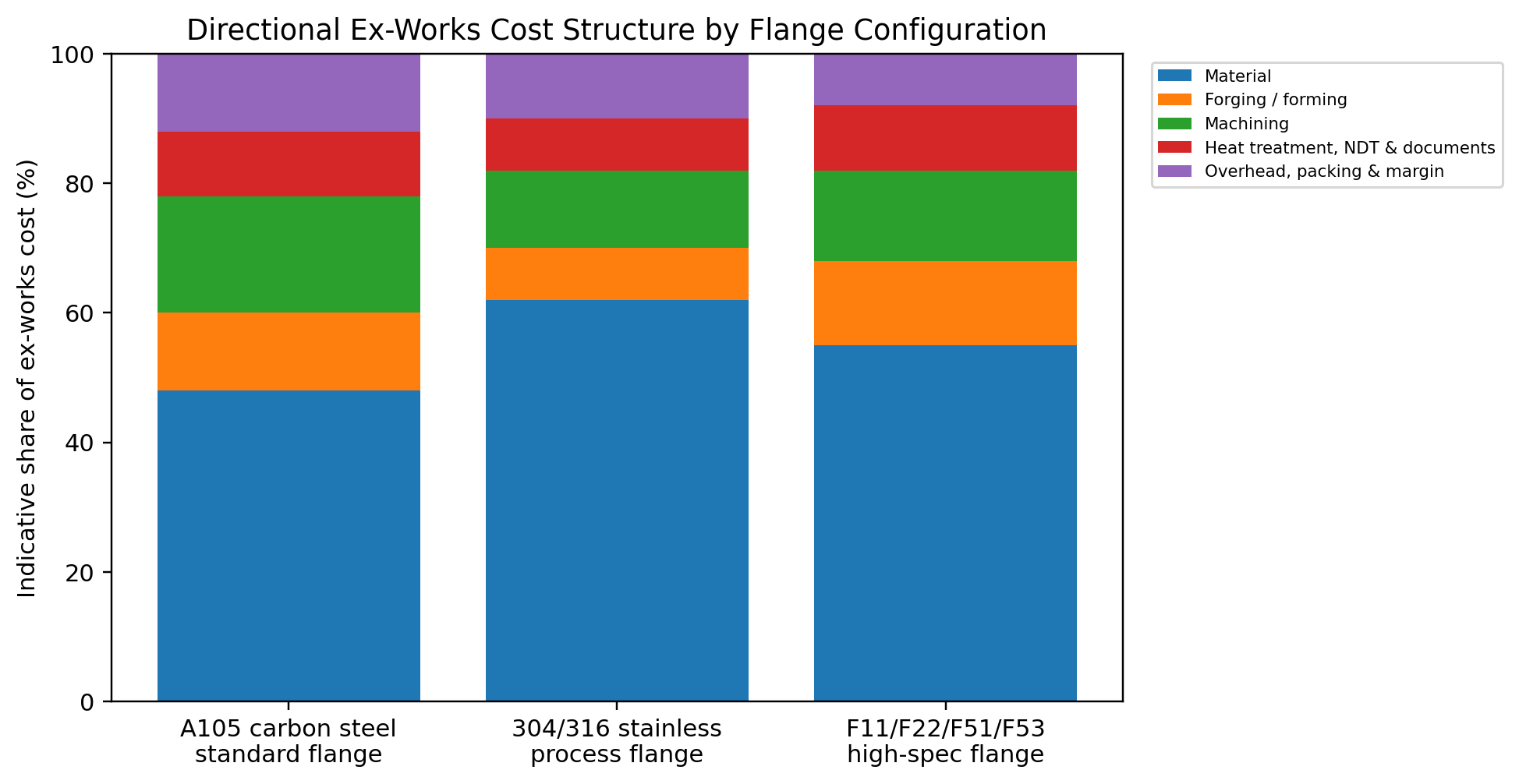
Figure 3. Directional ex-works cost structure by flange configuration
Illustrative cost map based on industrial procurement logic. Not a measured market dataset and not intended for quotation or investment calculation.
|
Cost component |
Carbon steel A105 |
Stainless / alloy A182 |
Economic explanation |
|---|---|---|---|
|
Raw material |
Carbon steel billets/forgings |
Stainless, duplex or alloy steel with Ni, Cr, Mo and heat-treatment requirements |
Material grade determines base cost and volatility exposure |
|
Forging / heat treatment |
Normalizing or heat treatment per specification |
Solution annealing, quenching or special cycles by grade |
Temperature control, energy and reject risk increase with specification |
|
Machining |
Face, bore, bolt holes and bevel |
More demanding surface finish and dimensional control |
High pressure, RTJ groove and large diameter raise machine time |
|
Testing and inspection |
Visual, dimensional, MTR, sometimes UT/MT |
PMI, UT, MT/PT, hardness, impact, corrosion or sour-service checks |
Inspection costs rise sharply with critical service |
|
Documentation |
Basic certificate and traceability |
3.1/3.2 certificates, heat number traceability, ITP, MDR |
Documentation quality can determine acceptance in EPC projects |
|
Packing and logistics |
Standard pallet or crate |
Export seaworthy packing, preservation, special marking |
Large flanges and urgent airfreight can materially alter delivered cost |
|
Parameter |
Low-cost condition |
High-cost condition |
Why it changes price |
|---|---|---|---|
|
Material grade |
ASTM A105 carbon steel |
316L, F11/F22, duplex, nickel alloy |
Alloy content, heat treatment and testing |
|
Pressure class |
Class 150/300 |
Class 900/1500/2500 |
More mass, machining time and acceptance risk |
|
Diameter |
Small standard sizes |
Large-diameter B16.47 / custom forgings |
Forging availability and machine capacity |
|
Face type |
Raised face |
RTJ, tongue-and-groove, special serration |
Groove machining and inspection tolerance |
|
Service |
Water/air utility |
Sour gas, hydrogen, cryogenic or high temperature |
Impact, hardness, NACE, PMI and documentation |
|
Delivery |
Standard stock item |
Emergency project delivery |
Expediting, airfreight, overtime and allocation premiums |
4. Standards, Certification and Compliance Cost
|
Standard / specification |
Cost relevance |
Buyer risk if ignored |
|---|---|---|
|
ASME B16.5 |
Defines dimensions, pressure-temperature ratings and flange classes up to NPS 24 |
Non-interchangeable dimensions or wrong pressure class |
|
ASME B16.47 |
Large-diameter steel flanges, Series A/B |
Wrong bolt pattern or unavailable mating flange |
|
ASTM A105/A105M |
Forged carbon steel piping components for pressure systems |
Incorrect heat treatment or chemical/mechanical non-compliance |
|
ASTM A182/A182M |
Forged or rolled alloy and stainless steel pipe flanges and fittings |
Wrong grade, missing solution treatment or poor traceability |
|
API 6A / API 6D applications |
Oilfield and pipeline systems may require higher documentation and PSL |
Failure to meet project acceptance, hydrotest or purchaser specification |
|
EN 1092 / DIN / JIS / GB |
Regional dimensional standards and pressure nomenclature |
Mismatched gasket, bolt circle and mating equipment |
|
NACE MR0175 / ISO 15156 |
Sour-service material constraints and hardness limits |
Sulfide stress cracking risk and rejection by operator |
|
PED / CE / 3.1 / 3.2 documents |
European project acceptance and third-party certification |
Shipment delays, re-testing and inability to install |
5. Regional Market and Supply-Chain Differences
Manufacturing geography and delivery geography now diverge. Asia can supply large volumes of ordinary forged flanges at competitive FOB prices, while the U.S. and EU are using stronger trade barriers to protect steel-intensive supply chains. Middle East and energy-project buyers often pay more for documentation, approved-vendor status and fast replacement availability than for the flange material alone.
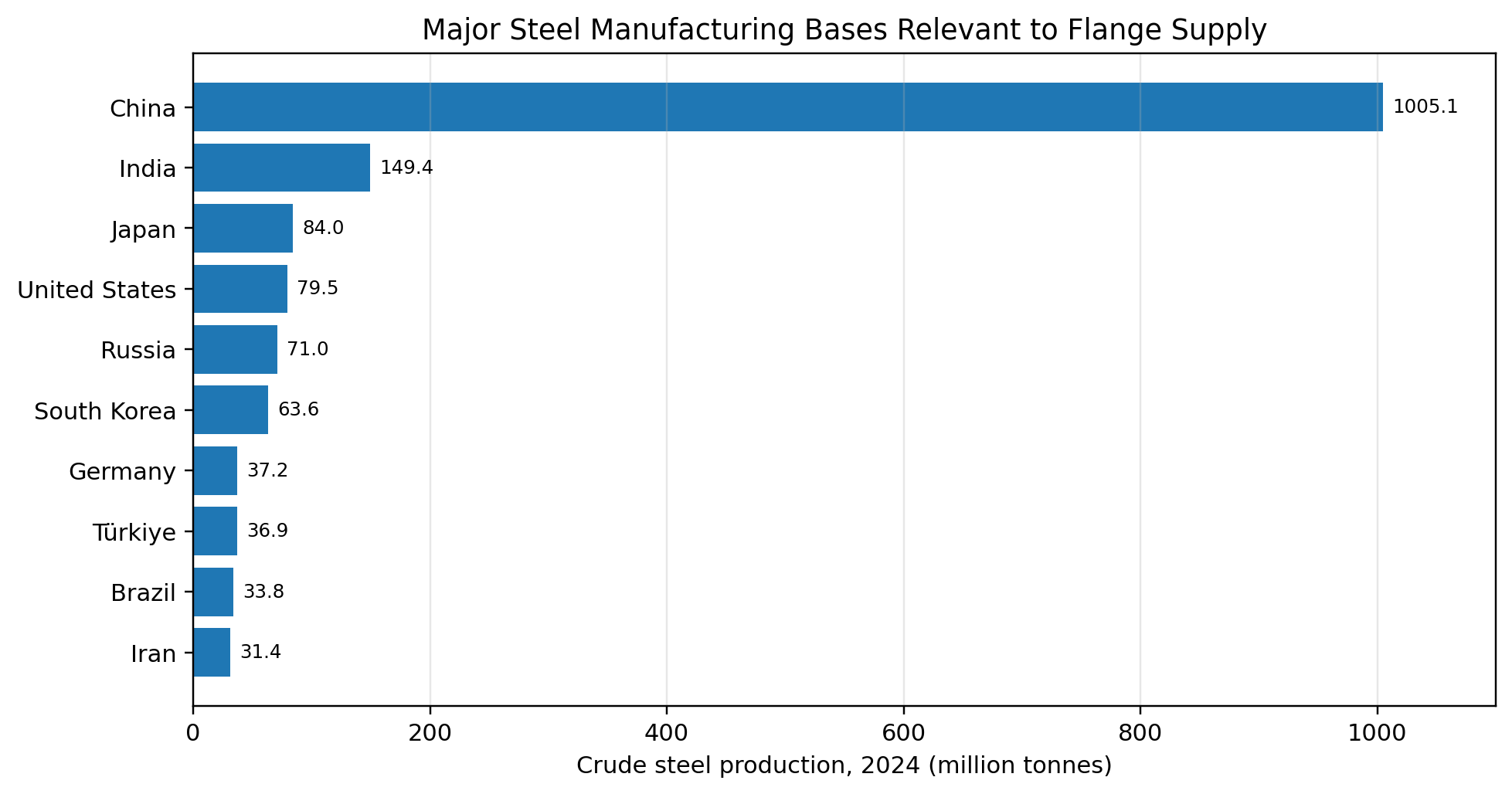
Figure 4. Major steel manufacturing bases relevant to flange supply
Source: World Steel Association, World Steel in Figures 2025, 2024 crude steel production by country.
|
Region |
Supply / demand position |
Delivered-cost drivers |
Procurement emphasis |
|---|---|---|---|
|
China |
Large forging, machining and export base; strong price competition |
Quality tier, export documentation, origin rules, freight and antidumping exposure |
Factory audit, heat-number traceability, PMI/NDT, shipment inspection |
|
India |
Growing steel and forging capacity; expanding export role |
Lead time, approved-vendor status, heat treatment, documentation maturity |
Qualification for oil/gas and EPC projects |
|
United States |
Protected domestic market and high labor/inspection cost |
Section 232 tariffs, domestic availability, distributor margin and urgent delivery |
Domestic compliance, MTR certainty, shorter lead times |
|
European Union |
High compliance focus, energy and labor cost pressure |
Quota, 50% out-of-quota duty, CBAM exposure and 3.1/3.2 documentation |
Traceability, melt-and-pour origin, EN/ASME compatibility |
|
Middle East |
High project demand for energy, water and petrochemical systems |
Approved vendor lists, local stock, temperature/corrosion service, expediting |
Project documentation and service availability |
|
Southeast Asia |
Mixed local fabrication and import dependence |
Port logistics, currency, project timing and local standards |
Balance FOB savings against inspection and delivery reliability |
|
Africa / Latin America |
Often import-dependent for certified high-spec flanges |
Currency, duties, port delays, long replenishment cycles |
Spare stock, payment security and local EPC interface |
6. Trade, Tariffs and Landed Cost
For flanges, tariff exposure can be larger than the machining margin. The same USD 100 FOB flange basket can become a USD 113 landed item without duty or a USD 163 landed item under a 50% ad valorem duty, before VAT/GST, financing and project delay costs. This is why buyers should compare delivered cost by HS code, origin and Incoterm rather than supplier unit price only.
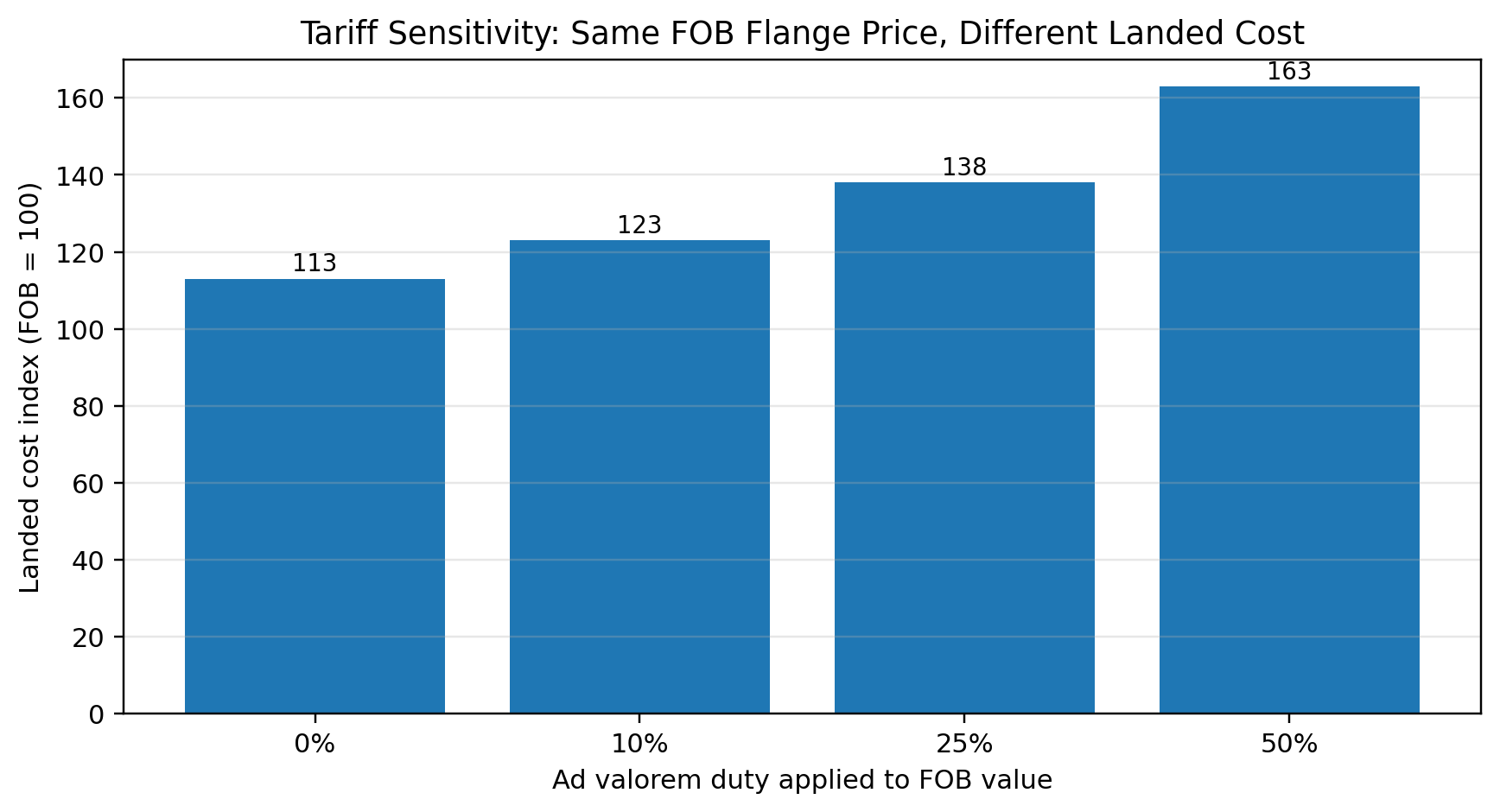
Figure 5. Tariff sensitivity: same FOB flange price, different landed cost
Illustrative model: FOB = 100, freight/insurance = 8, quality inspection/documentation = 3, miscellaneous import handling = 2. Duty applied to FOB value only. Actual duty base varies by jurisdiction.
|
Trade factor |
Cost impact |
Flange-specific control |
|---|---|---|
|
HS classification |
Determines duty, safeguard and antidumping treatment |
Classify by material, shape, process and use; do not rely only on supplier description |
|
Melt-and-pour origin |
Increasingly important for EU and U.S. traceability |
Require mill certificate and origin declaration before shipment |
|
Section 232 / safeguard duty |
Can add 25–50% to customs value in protected markets |
Model duty before awarding FOB contracts |
|
Antidumping / countervailing duties |
Can be supplier- and country-specific |
Check AD/CVD scope before PO confirmation |
|
Freight mode |
Sea freight is economical; air freight can exceed low-value flange cost |
Reserve critical spare stock and avoid emergency airfreight |
|
Inspection delay |
Late or failed inspection can delay project completion |
Use pre-shipment inspection, ITP hold points and document review |
|
Currency |
Long production cycles expose project budgets |
Use quote validity, escalation clauses and hedging where appropriate |
7. Project Economics: Installed Joint Cost and Failure Consequence
Flange procurement should be evaluated as installed joint economics, not just unit price. The total cost includes flange pair, gasket, bolting, labor, torque/tensioning, QA documentation, hydrotest, rework allowance and downtime risk. In shutdowns, offshore projects, LNG trains, refineries and power plants, the opportunity cost of a rejected or leaking flange can exceed the price of the component by one or two orders of magnitude.
|
Cost layer |
Typical cost logic |
Why low unit price can fail |
|---|---|---|
|
Component purchase |
Flange price by size, class, grade and standard |
Incorrect grade or pressure class causes rejection |
|
Joint materials |
Gaskets, studs, nuts, washers, lubricant and isolation kits |
Incomplete package creates field delays |
|
Installation labor |
Fit-up, alignment, torque/tensioning and access |
Poor dimensional tolerance increases labor and rework |
|
QA/QC |
MTR, PMI, dimensional check, NDT, witness inspection |
Counterfeit or incomplete documents delay acceptance |
|
Testing |
Hydrotest, leak test, reinstatement |
Face damage or wrong gasket surface causes leakage |
|
Shutdown/delay cost |
Lost production, crane/scaffold time, permit windows |
Dominates the economics of critical-service flanges |
|
Lifecycle maintenance |
Corrosion allowance, replacement and spare availability |
Low-quality flange may increase outage frequency |
|
Application |
Relevant economic metric |
Implication for procurement |
|---|---|---|
|
Oil and gas pipeline / station |
Installed joint cost, hydrotest risk, delay cost |
Favor traceability, approved vendor list and document control |
|
Refinery / petrochemical plant |
Shutdown risk and leak consequence |
Use conservative specifications and verified face finish |
|
Power plant / high-temperature service |
Creep, fatigue and outage cost |
Require correct alloy grade, heat treatment and NDT |
|
Water / desalination / wastewater |
Corrosion resistance and maintenance interval |
Compare coatings, stainless grades and total replacement cost |
|
Hydrogen / CO₂ transport |
Material compatibility and future regulatory acceptance |
Expect premium for testing, documentation and approved materials |
|
Shipbuilding / offshore |
Classification society approval and delivery certainty |
Stock strategy and class-document readiness can matter more than FOB price |
8. 2026–2028 Price Outlook
|
Scenario |
Probability |
Price direction |
Key assumptions |
|---|---|---|---|
|
Base case: stable-to-firm certified flanges |
Medium–High |
Modest nominal increase for high-spec; ordinary carbon steel mixed |
Steel supply abundant but tariffs, labor, inspection and distribution keep finished prices firm |
|
Downside: export competition pressure |
Medium |
FOB ordinary carbon-steel flanges decline or discount |
Weak construction demand, high Asian exports and lower freight pressure |
|
Upside: tariff and alloy shock |
Medium |
Delivered cost rises sharply in protected markets |
U.S./EU trade barriers, nickel/molybdenum volatility, energy cost or capacity bottlenecks |
|
Project shock: urgent EPC demand |
Low–Medium |
Spot premiums and long lead times |
Energy, LNG, petrochemical or water projects draw down qualified stock |
|
Buyer action |
Why it matters |
Recommended requirement |
|---|---|---|
|
Normalize scope |
Prevents comparing FOB item price with DDP project-site price |
Use a bid tab that separates product, packing, freight, duty, inspection and spares |
|
Freeze standards |
Avoids dimensional incompatibility |
State ASME/EN/DIN/JIS version, class, face, bore and material grade |
|
Require traceability |
Protects against counterfeit and project rejection |
Heat number, MTR, PMI, NDT, 3.1/3.2 where required |
|
Audit suppliers |
Flanges are simple-looking but failure-critical |
Review forging source, machining capacity, QC lab and references |
|
Control origin risk |
Tariffs and AD/CVD can erase FOB savings |
Confirm HS code, melt-and-pour origin and country of transformation |
|
Price lifecycle spares |
Urgent replacements are expensive |
Agree spare stock, replacement price formula and lead time |
|
Inspect before shipment |
Field rejection is more expensive than factory correction |
Dimensional check, surface finish, marking, documents and packing hold points |
|
Plan alloy volatility |
Stainless/duplex price follows alloy inputs |
Use validity periods, alloy surcharge formulas or forward purchasing |
|
Risk |
Probability |
Impact |
Mitigation |
|---|---|---|---|
|
Wrong pressure class or standard |
Medium |
High |
Engineering review before PO and dimensional datasheet approval |
|
Counterfeit or incomplete MTR |
Medium |
High |
Traceability audit, PMI and third-party inspection |
|
Tariff misclassification |
Medium |
High |
Customs ruling/consultant review for critical shipments |
|
RTJ / face finish defect |
Medium |
High |
Surface roughness specification and final inspection |
|
Late delivery of large-diameter forgings |
Medium |
High |
Reserve capacity, expediting clauses and critical spare stock |
|
Nickel/molybdenum price spike |
Medium |
Medium–High |
Escalation formula or early locking for stainless/alloy grades |
|
Documentation mismatch with EPC specification |
High |
Medium–High |
Document matrix, MDR review and 3.2 witnessing if required |
|
Poor packing / corrosion during transit |
Medium |
Medium |
Export seaworthy packing, desiccant, VCI and damage claims procedure |
9. Conclusion
The flange market is entering a two-track pricing environment. Ordinary carbon-steel flange FOB prices remain exposed to global steel overcapacity and aggressive export competition. In contrast, certified stainless, alloy, high-pressure and project-approved flanges are likely to retain stronger pricing because the buyer is paying for metallurgical certainty, dimensional compliance, documentation, delivery reliability and failure-risk reduction.
Industrial judgement: for 2026–2028, buyers should expect more pressure on ex-works commodity items than on delivered, certified flange packages. The most effective procurement strategy is not to chase the lowest line-item price, but to normalize Incoterms, origin, standard, material grade, testing, documentation, warranty, inspection and replacement lead time. In critical service, the cheapest flange is rarely the lowest-cost flange.
Related Products

Double-Boom Computerized Rock Drilling Jumbo WD200E
Hunan Wuxin Intelligent Equipment Group Co., Ltd.

Industrial and Commercial Point-Type Gas Detector
Jinan Benan Technology Development Co., Ltd.


CAP1400 main feedwater flow nozzle flowmeter.
Jiangsu Hongda Instrument Technology Co., LTD.
Standard Nozzle Flowmeter
Jinggong Automatic Control Instrument Complete Technology Development Company