China's Hong Kong Aero Engine Services Limited Uses Digital Tools to Enhance Engine Maintenance Efficiency
Wedoany.com Report on Mar 11th, George Edmonds, CEO of China's Hong Kong Aero Engine Services Limited (HAESL), revealed that the company overhauled approximately 380 Rolls-Royce engines and 40 Trent 1000 TEN module sets in 2025, accounting for 25% of Rolls-Royce's global network. Edmonds noted: "This year we may handle fewer engines, but the scope of work has expanded, such as more first and second refurbishments for Trent XWB engines, which require more time."

Edmonds stated that turnaround times for all engine types are decreasing, thanks to technological and process improvements. He said: "Within the HAECO Group, digital transformation is reshaping operations, involving investments in predictive analytics and artificial intelligence." HAESL is applying AI to enhance borescope inspections, deploying robotic AI-driven surface inspection tools to improve accuracy and reduce manual labor, while also integrating AI into electronic work cards.
Edmonds said: "We are extending the HAECO Customer Portal to Xiamen HAECO Engine Services, providing customers with real-time visibility into engine shop progress." Digital tools allow customers to interact digitally with the shop floor and share data. Since its introduction, "invoice approval downtime has been reduced from an average of six to seven days to one day." These initiatives align with a 10-year digital roadmap, integrating smart factory concepts to achieve efficiency gains.
HAESL is upgrading its Enterprise Resource Planning (ERP) software to cloud-based SAP S/4HANA, planned for go-live in March 2027. Combined with HCLTech's iMRO/4 asset management solution, it will form a maintenance execution system. The upgrade will centralize data into a cloud-based data foundation, unlocking potential. Edmonds believes that building on the same foundation can "enable more enterprise-wide improvements and efficiency gains."
HAESL has a history of lean processes, with whiteboards in engine units displaying process flow lines and waste. Edmonds said: "We reduce waste every year. This year we introduced digital flow lines. Once the ERP system is live, we can view module or component data in real-time, enhancing data overview and ability to take action." The application of digital tools further shortens engine turnaround times.
Related Products

China - Alashankou/Khorgos - Europe Full Range Transportation (Mala/Hamburg/Duisburg/Budapest, etc.)
Shenzhen Neptune Logistics Co., Ltd.
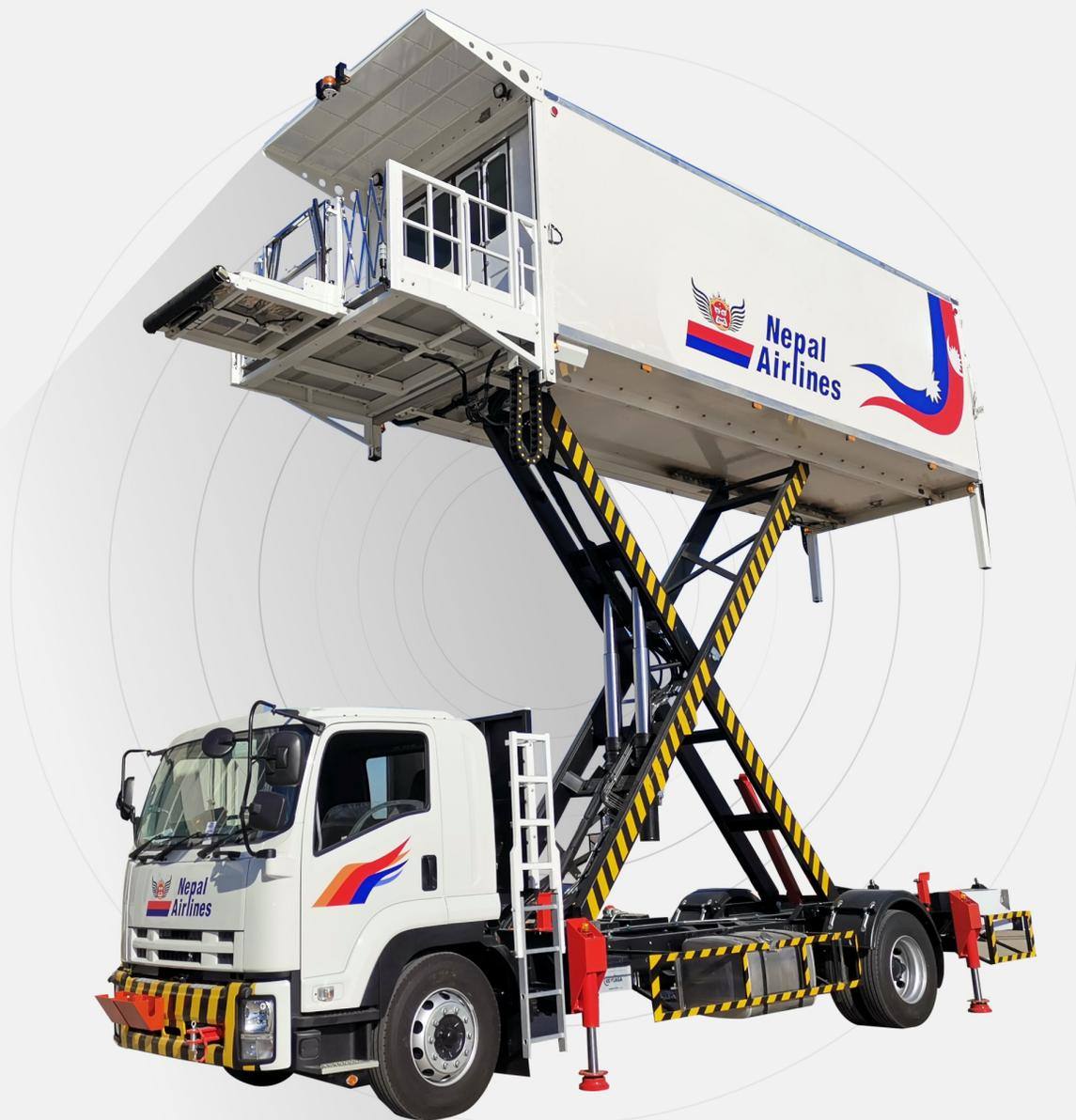
XC-6000e Type Aviation Catering Truck (Fuel Type)
Shenzhen CIMC-TianDa Airport Support Ltd.
Industrial and Commercial Point-Type Gas Detector
Jinan Benan Technology Development Co., Ltd.