AgriPass Agricultural Robot Deployed in US and Europe, Secures $7.5 Million in Funding to Expand Sustainable Agriculture Market
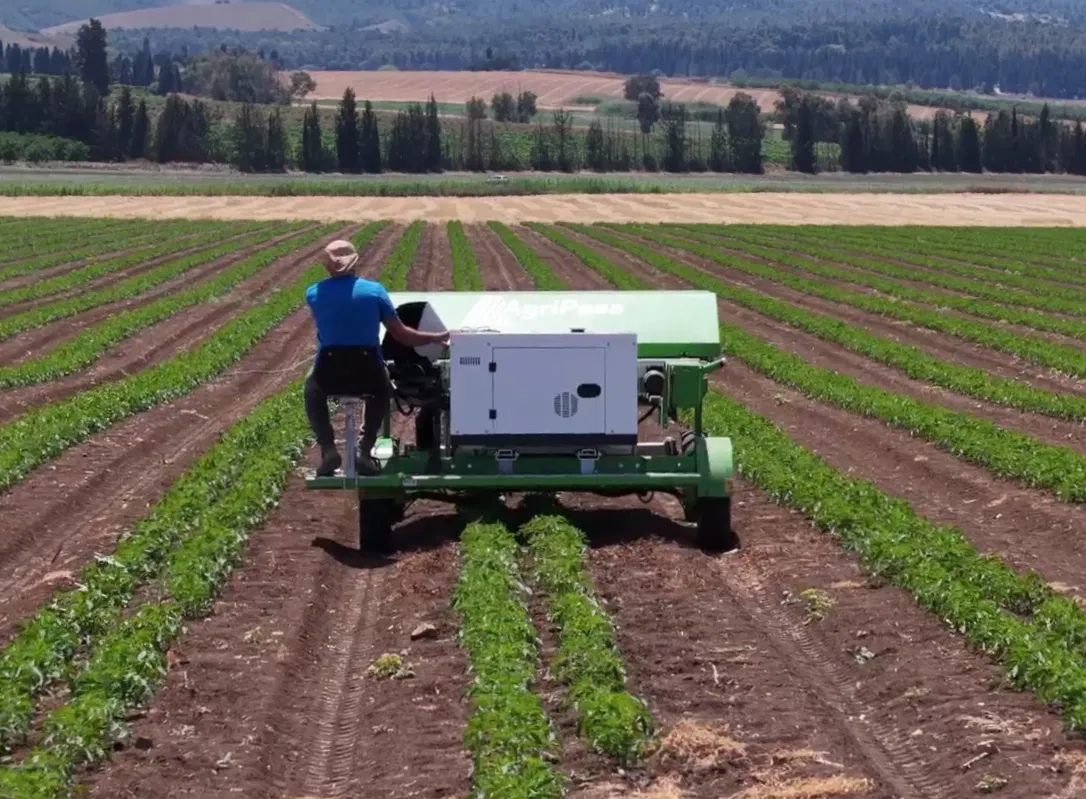
en.Wedoany.com Report on Mar 28th, The agricultural sector is facing multiple pressures to reduce chemical usage, improve soil health, and maintain productivity. In an interview with Fertilizer Daily, Liron Yanay, CEO of AgriPass, stated that the company's developed agricultural robot, RHIC, aims to provide a herbicide-free, soil-safe weed control solution to address the challenges of traditional agriculture's reliance on chemicals.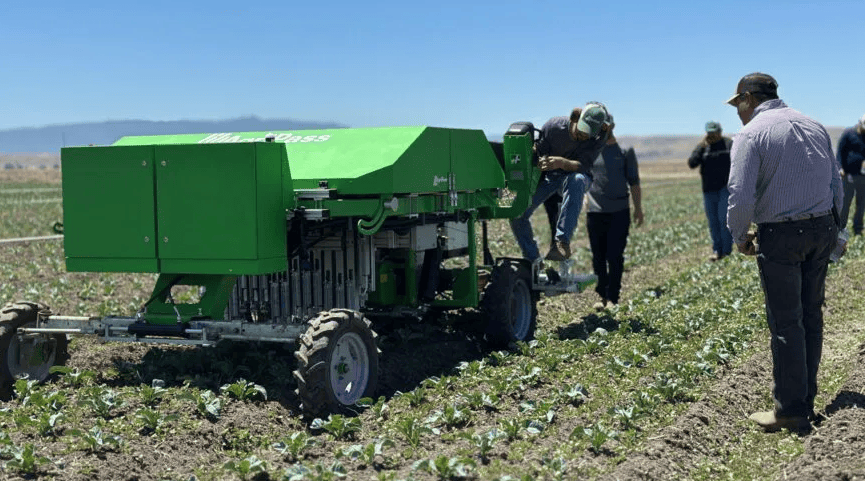
AgriPass has successfully raised $7.5 million in seed funding to accelerate the commercial deployment of its agricultural robots. Yanay noted, "The funds will support the AI technology upgrade for RHIC and expand production scale in the United States and Europe. We have demonstrated technical feasibility and commercial appeal through field trials, particularly in high-value crop-growing regions." The company utilizes adaptive selective cultivation technology, having tested it across various crops and soil conditions, and has gained early validation from farmers and investors.
Currently, demand for agricultural robots is particularly strong in the southeastern U.S. states of Florida and Georgia, where farmers are actively adopting them due to labor shortages and sustainable agricultural practices. Yanay mentioned, "Policy changes, such as new regulations from the USDA, are driving demand for alternative weed control solutions. We also plan to enter the Latin American market through Latin American countries, expanding our business in partnership with strategic allies." AgriPass focuses on serving small to medium-sized farms and plans to launch a 3-bed system suitable for medium to large farms in 2027.
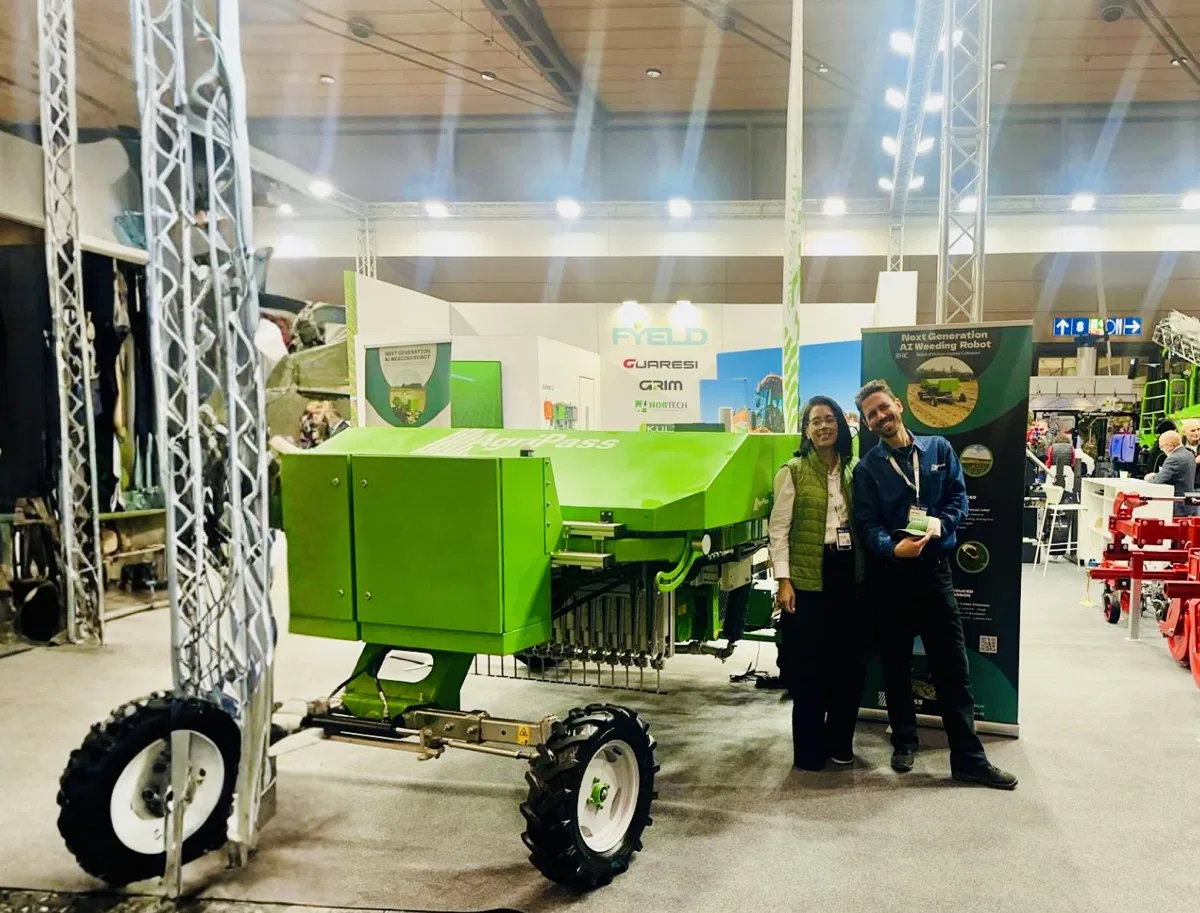
Regarding technology expansion, AgriPass is training its agricultural robots to adapt to new crops, including soybeans and grains, to cover a broader range of agricultural systems. Yanay emphasized, "Rising input costs, increasing herbicide resistance, and labor shortages are key factors driving the demand for automation. Our solution lies at the intersection of soil safety, low-tillage practices, and smart agriculture." By working directly with farmers, the company reduces barriers to market entry and has established a risk mitigation plan to address challenges in future expansion.
Related Products


Industrial and Commercial Point-Type Gas Detector
Jinan Benan Technology Development Co., Ltd.
714CD Series C-Band Weather Radar
Chengdu Zhongdian Jinjiang Information Industry Co., Ltd.

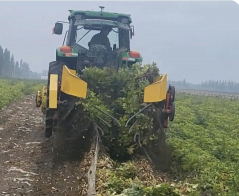
4HS-8 High-efficiency Peanut Inverted-laying Harvester
Hebei Yongfa Hongtian Agricultural Machinery Manufacturing Co., Ltd.