en.Wedoany.com Reported - Data from the 10th survey of the 2025/26 crop year released by Brazil's National Supply Company (Conab) shows that grain output in Minas Gerais is expected to increase by 3.6% year-on-year, reaching a total of 19.06 million tons. The growth is driven by a 2% expansion in planted area and a 1.6% increase in yield.
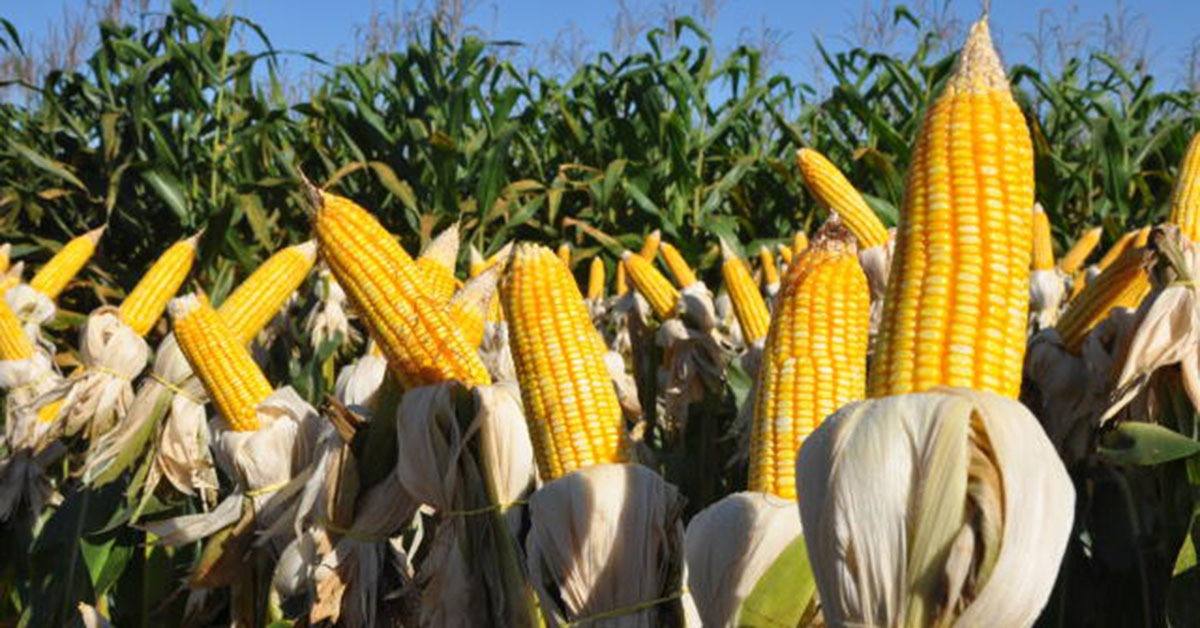
Among major grain crops, corn stands out the most, with total output estimated at 7.2 million tons, up 9.8% from the previous season. Yield reached 6.4 tons per hectare, an increase of 6.5%; planted area rose 3.1% to 1.11 million hectares. Of this, first-season corn output was 4.7 million tons, up 23.4% year-on-year, with harvesting completed and yield 14% higher than the previous season. Second-season corn is still being harvested, with estimated output of 2.48 million tons, down 9.3%, planted area of 447,000 hectares, down 3.8%, and yield of 5.5 tons per hectare, down 5.7%. The Conab report notes that rainfed farmland in the Northwest (Noroeste) and Triângulo regions was severely affected by drought, lowering yield expectations for second-season corn.
Fabiano Vasconcellos, Conab's Manager of Crop Survey and Assessment, stated that overall climatic conditions were favorable for grain crop growth, but droughts in April and May caused losses to some crops. June rainfall was slightly above normal, creating favorable conditions for second-season crops, while low rainfall in early July is typical for the season, with cooler temperatures helping soil retain moisture and promoting crop growth. For second-season corn, above-average precipitation in June was somewhat beneficial for late-planted fields, but for most farmland, the rain came too late to reverse losses from the earlier drought.
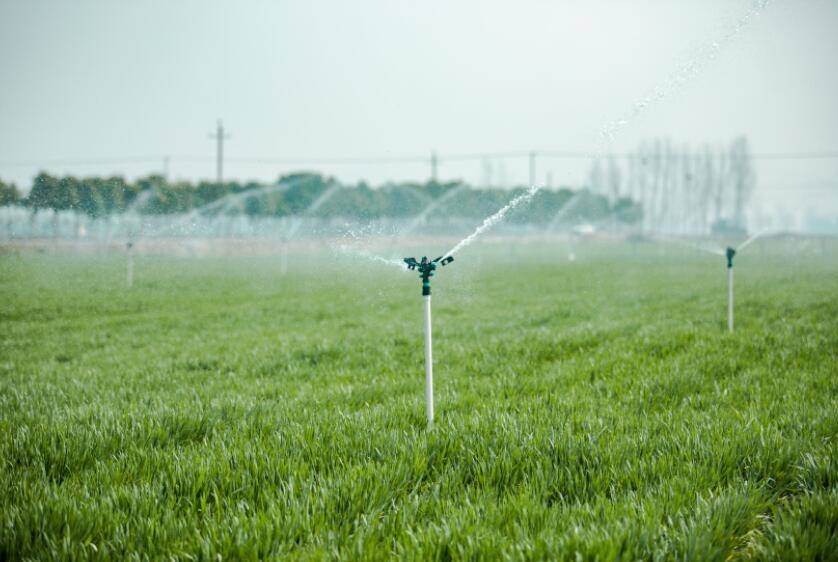
Total bean output is estimated at 537,400 tons, potentially growing 16.1%. First-season bean output was 211,000 tons, up 2.8%, with harvesting completed. Second-season beans are expected to yield 175,500 tons, up 18.3% year-on-year, with harvesting advanced to nearly half the area and yield 7.3% higher than the 2024/25 season. Third-season bean planting is in its final stages, with planted area up 7.7% due to attractive prices, and expected output of 150,900 tons, up 38.1%. Vasconcellos noted that third-season beans are primarily irrigated and can still sustain growth.
Soybeans, the largest crop by output in Minas Gerais, totaled 9.15 million tons, remaining essentially stable compared to the previous season with a slight decline of 0.3%, and harvesting has been completed.