en.Wedoany.com Report on Mar 30th, Recently, it was learned from the International Bridge Conference (IBC) organizing committee that the Nanjing Xinshengwei Yangtze River Bridge, constructed with the participation of China Railway Major Bridge Engineering Group, has been awarded the 2026 IBC Gustav Lindenthal Award. This award is presented to only one bridge globally each year and is known as the "Nobel Prize" of the bridge engineering world. The Nanjing Xinshengwei Yangtze River Bridge has a total length of 13.17 kilometers and a main span of 1,760 meters. It is a single-span portal tower integral steel box girder suspension bridge and currently holds the record for the longest span among completed bridges of its type in China.
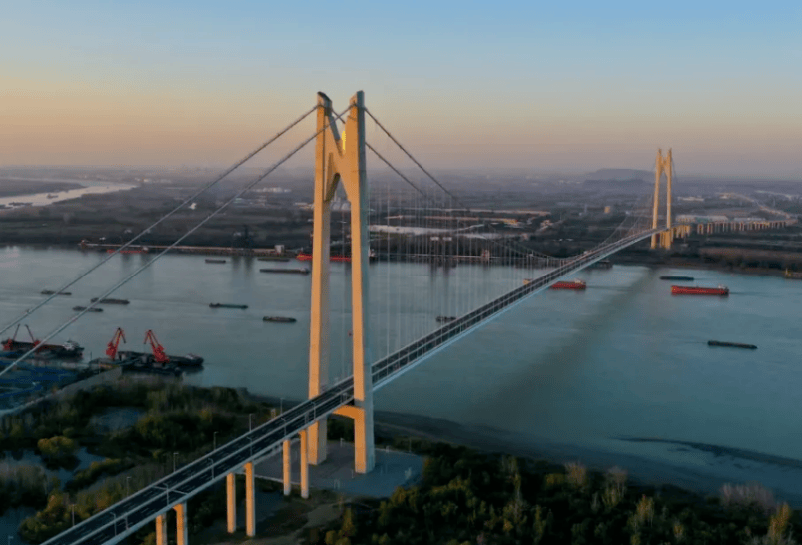
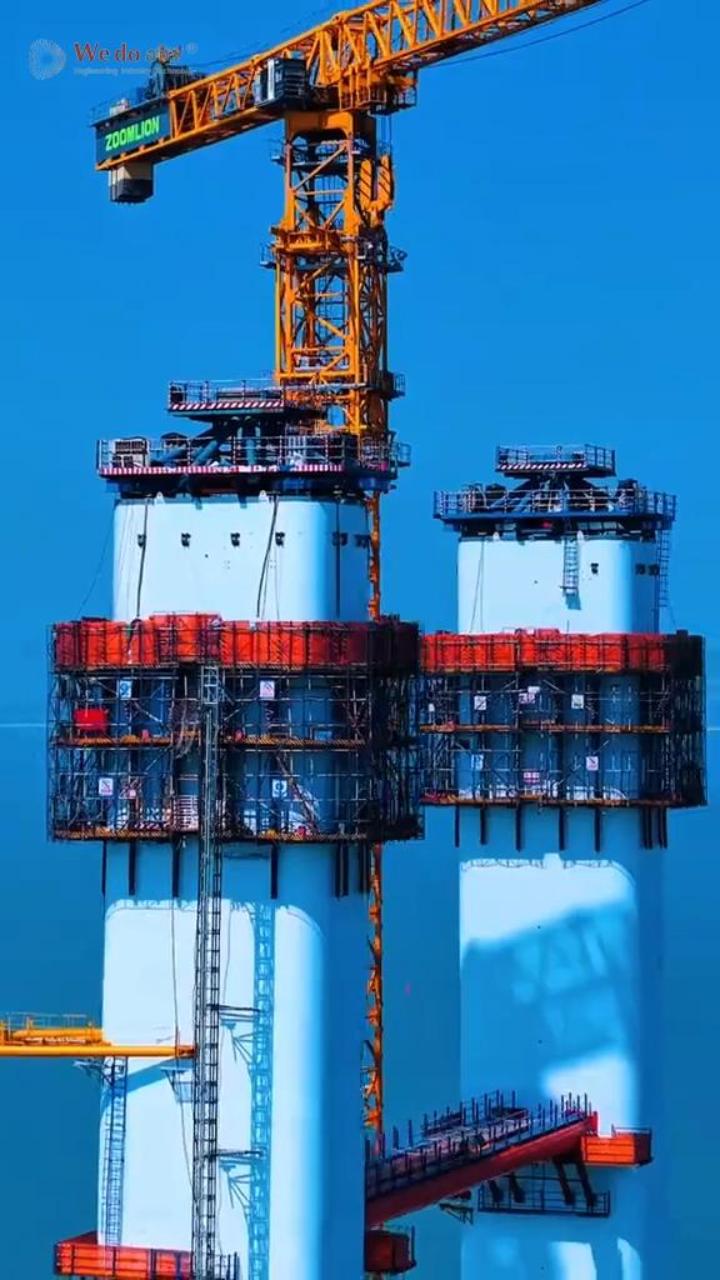
During the construction process, China Railway Major Bridge Engineering Group was responsible for the construction of the north main tower of the cross-river main bridge and the first connecting section of the north approach bridge. The north main tower stands at 263.8 meters, making it the tallest bridge tower in the Nanjing area. Given that the construction area for the north main pier was located in the floodplain on the north bank of the Yangtze River with complex geological conditions, the project team employed a graded hole-forming method for bored piles, effectively ensuring the verticality of the pile holes. During the tower column construction, the project team optimized the seasonal concrete mix ratio. This ensured that while meeting the concrete strength requirements, all performance indicators of the concrete were optimized, guaranteeing the smooth vertical pumping of high-strength concrete to the tower top over 200 meters high.
The Nanjing Xinshengwei Yangtze River Bridge commenced construction in March 2020 and opened to traffic in November 2025. The upper crossbeam of the bridge's main tower features an external "N"-shaped steel structure design, incorporating the first letter of Nanjing's abbreviated name "Ning" (from Pinyin). This design blends the cultural heritage of the ancient capital with modern bridge engineering. After opening, the travel time between the two sides of the Yangtze River was reduced from one hour to ten minutes, effectively promoting integrated cross-river urban development.