Baowu Steel Group Issues Transition Bonds to Support Guinea's Simandou Iron Ore Project
en.Wedoany.com Reported - In January 2024, China Baowu Steel Group issued its first bond on the Shanghai Stock Exchange, raising 10 billion yuan (approximately 1.45 billion USD). These funds will be primarily used to develop the Simandou iron ore project in Guinea, West Africa, one of the world's largest undeveloped high-grade iron ore reserves.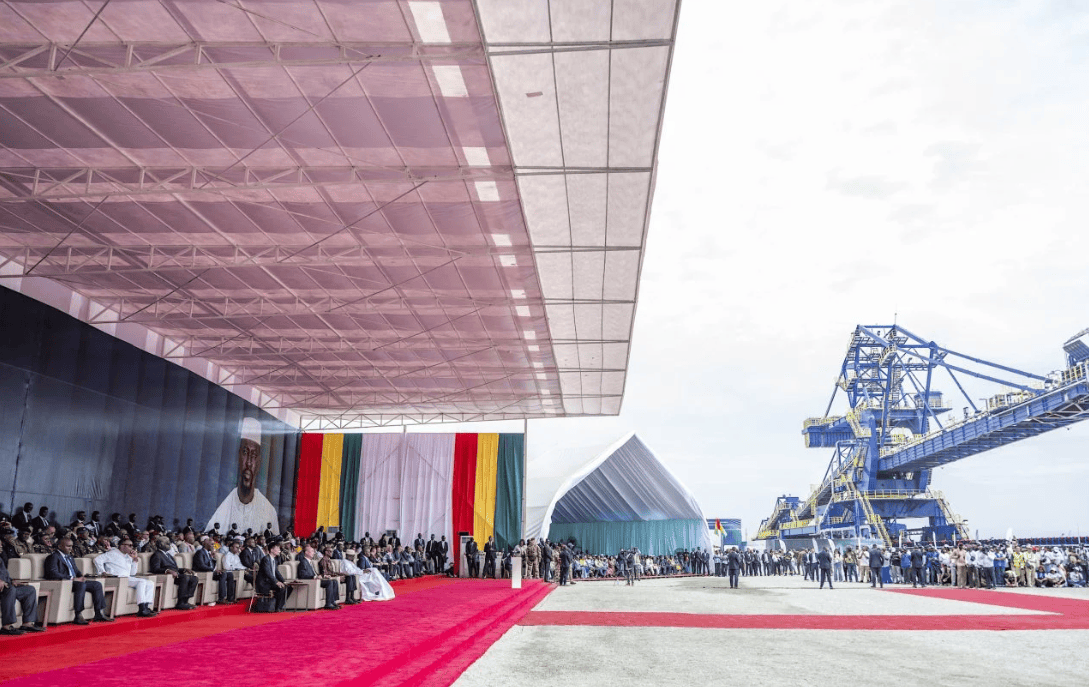
Transition finance in China's steel industry is typically used for decarbonizing existing production, not upstream mineral extraction. The bond issuer stated that Simandou's high-grade ore can be used for hydrogen-based direct reduced iron (DRI), a low-carbon steelmaking method. Xu Xiaoyun, Senior Research Analyst at the Climate Bonds Initiative (CBI), called the bond "quite innovative," explaining: "Using hydrogen for direct reduction replaces the coal and coke used in blast furnaces, enabling deep decarbonization. If the entire process uses green hydrogen and renewable electricity, emissions could be over 90% lower than traditional blast furnace production."
The Simandou project commenced operations in November 2025, with the first batch of ore already delivered to China. With a total investment of approximately 24 billion USD, including a 670-kilometer railway and a new port, it is a major mining infrastructure project in Africa in recent years. However, the project also faces environmental and social challenges. In 2022, Human Rights Watch noted that railway construction might occupy over 100 square kilometers of land, impact endangered species habitats, and that forest clearing activities could lead to significant carbon dioxide emissions.
The Guinean government hopes the Simandou project will drive industrial transformation, moving beyond raw ore exports. Chen Yunnan, a researcher at the UK think tank ODI, stated: "Like many resource-rich countries, Guinea hopes to use projects like Simandou to move up the value chain and support structural transformation." The bond prospectus mentions supporting global steel decarbonization but does not specify plans to build steelmaking facilities in Guinea. Baowu's transition bond links domestic financing with overseas mining projects, providing raw materials for China's low-carbon industrial transition, while also sparking discussions on how to verify and ensure accountability for the application of sustainable finance instruments overseas.
This article is compiled by Wedoany. All AI citations must indicate the source as "Wedoany". If there is any infringement or other issues, please notify us promptly, and we will modify or delete it accordingly. Email: news@wedoany.com
Related Products
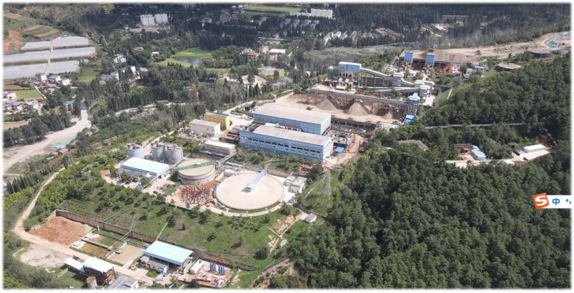

Yunnan Phosphorus Chemical Group Co., Ltd. 2 Million t/a Phosphorus Ore Mining and Beneficiation Project
China Bluestar Lehigh Engineering Corporation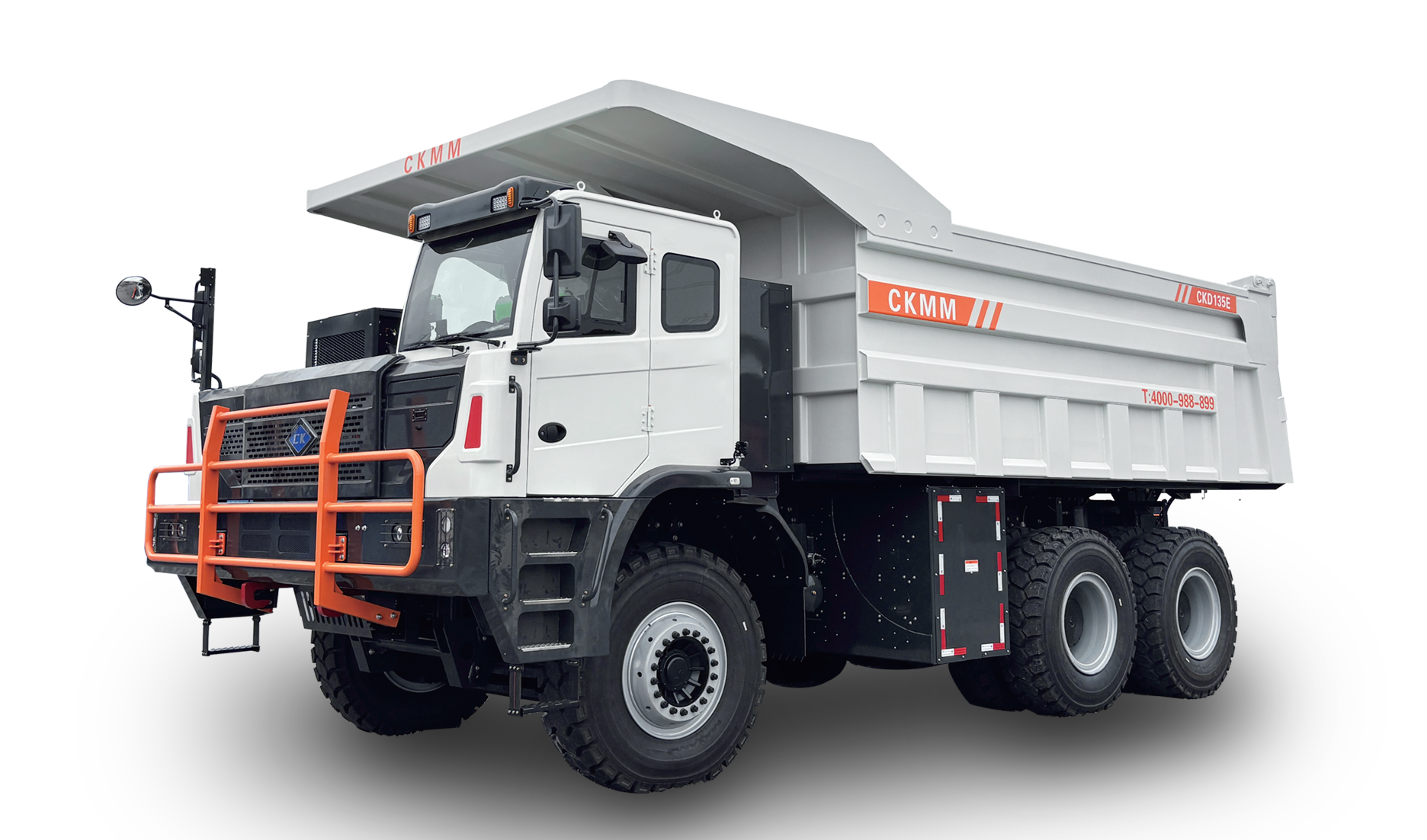
CKD135E Pure Electric Wide-body Dump Truck
Jiangsu Changkuang Engineering Machinery Co. Ltd.

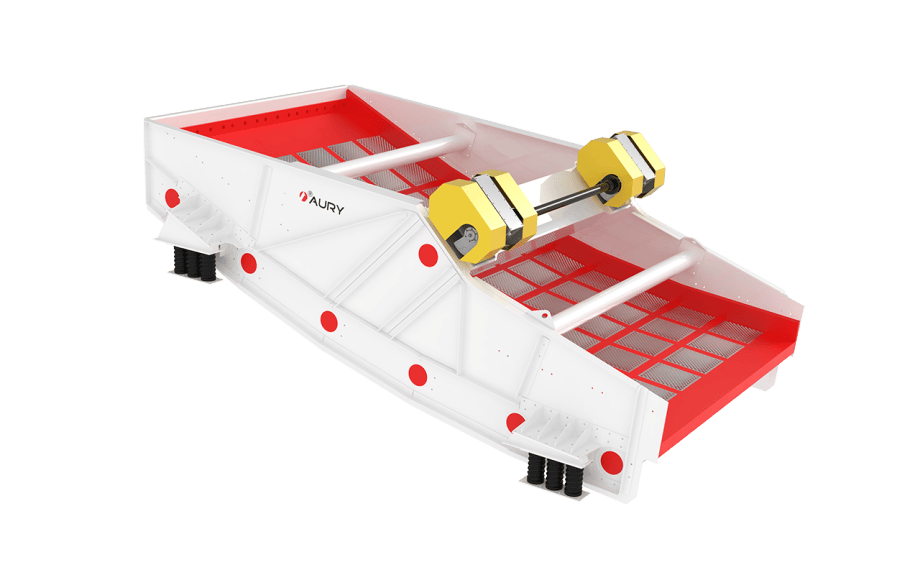
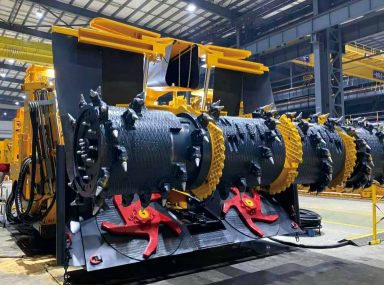
Integrated Excavation and Anchoring Machine (EJM Series)
China Railway Construction Heavy Industry Corporation Limited