Victoria, Australia Approves Low-Carbon Concrete with 60% Alternative Materials
en.Wedoany.com Reported - The Australian state of Victoria has approved low-carbon concrete mixes containing 60% supplementary cementitious materials (SCM) for use in road and transport projects across the state. This aims to reduce the embodied carbon in infrastructure construction while meeting engineering performance requirements. Developed by the state in collaboration with Heidelberg, this mix marks a significant step towards sustainable infrastructure development locally.
This low-carbon concrete mix replaces 60% of traditional Portland cement with SCM (containing slag), significantly reducing its embodied carbon. All its performance indicators meet the standards for structural performance, durability, and service life required for long-life infrastructure, addressing a key challenge in industry emission reduction. Previously, Victoria had applied a 50% SCM mix in the Easing Road Interchange project.
Geoquest Australia, a member of the National Precast Concrete Association, is responsible for the research and innovation related to this mix and has experience delivering sustainable solutions for projects of various scales. Matthew Sheridan, the company's Precast Concrete Manager for the Eastern Region, stated that the team consistently focuses on solutions that combine high performance with sustainability.
This approval provides support for the supply of 60% SCM concrete for both government and private infrastructure projects across Victoria. The Easing Road Interchange project, which previously utilized a 50% SCM mix, exceeded sustainability targets, validating the practical feasibility of high-SCM concrete.
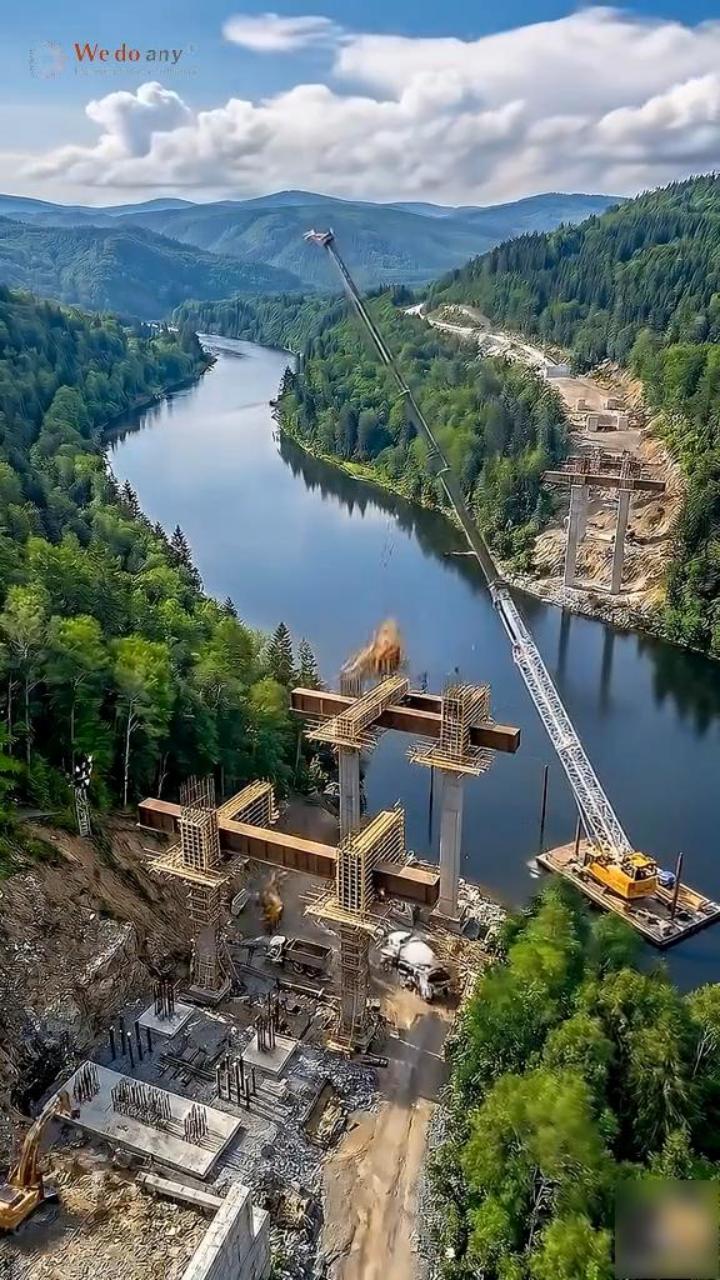
The approval of this mix aligns with the trend towards low-carbon transition in Australia's infrastructure industry, helping to achieve government sustainability goals. The next step will involve the widespread application of this low-carbon concrete in infrastructure projects such as roads and bridges across the state, providing a practical pathway to reduce the carbon footprint of Australian infrastructure.
This article is compiled by Wedoany. All AI citations must indicate the source as "Wedoany". If there is any infringement or other issues, please notify us promptly, and we will modify or delete it accordingly. Email: news@wedoany.com
Related Products
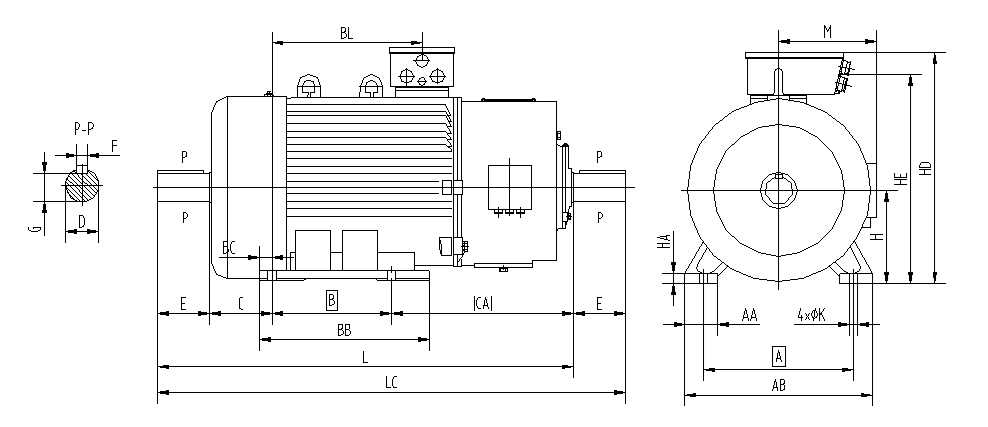

YZR (450-560) Series Wound Rotor Three-Phase Asynchronous Motors for Crane and Metallurgical Applications
Jiamusi Electric Machine Co., Ltd.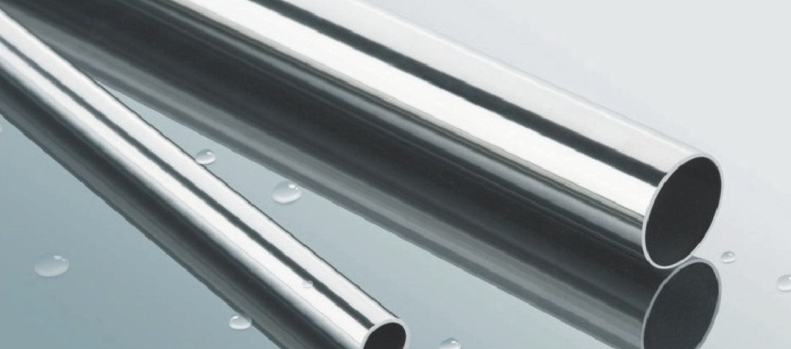
ERW Welded Pipe (Black Pipe and Hot-dip Galvanized Steel Pipe)
Handan Zhengda Steel Pipe Co., Ltd.
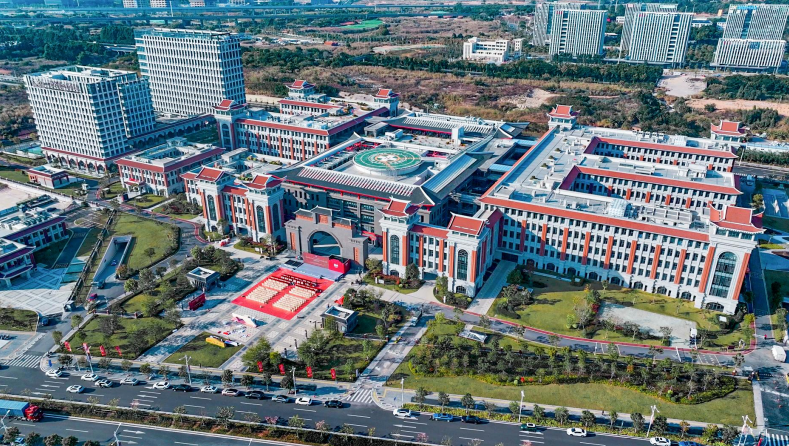
West China Xiamen Hospital of Sichuan University
Wuhan Huakang Century Clean Technology Co., Ltd.
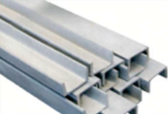
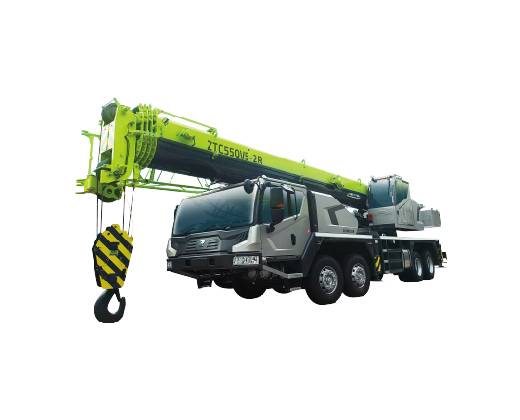
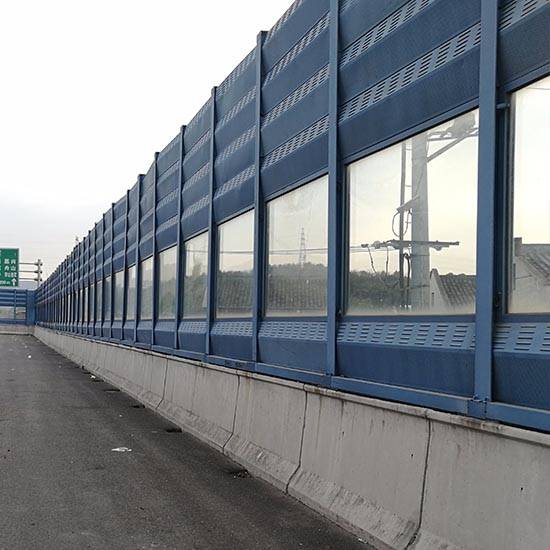
Metal sound barriers that can reduce the transmission of road noise
Hebei Jinbiao Construction Materials Tech Corp., Ltd.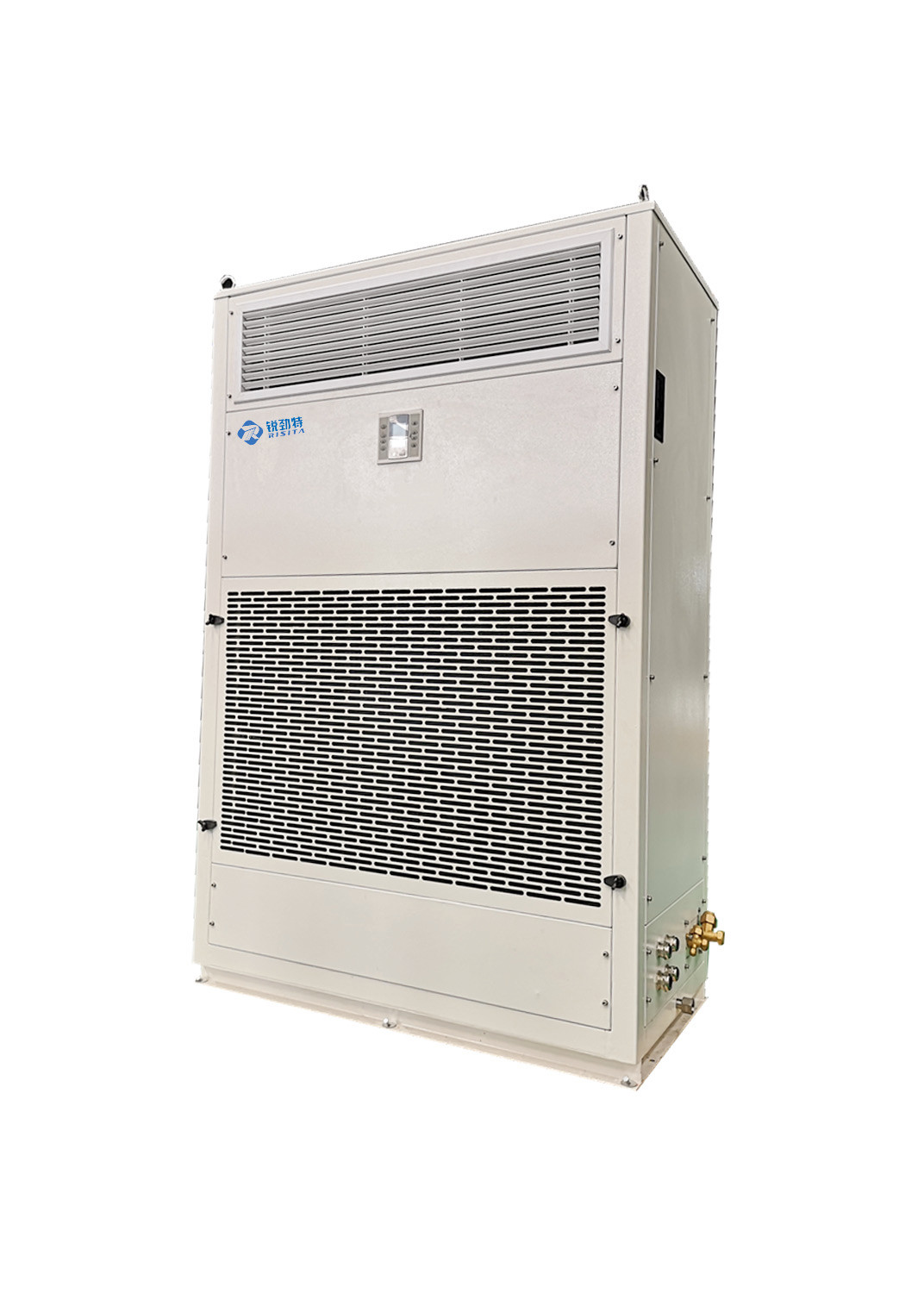
RISITA explosion-proof air conditioning
Guangdong RISITA Air Conditioning Equipment Co.,Ltd.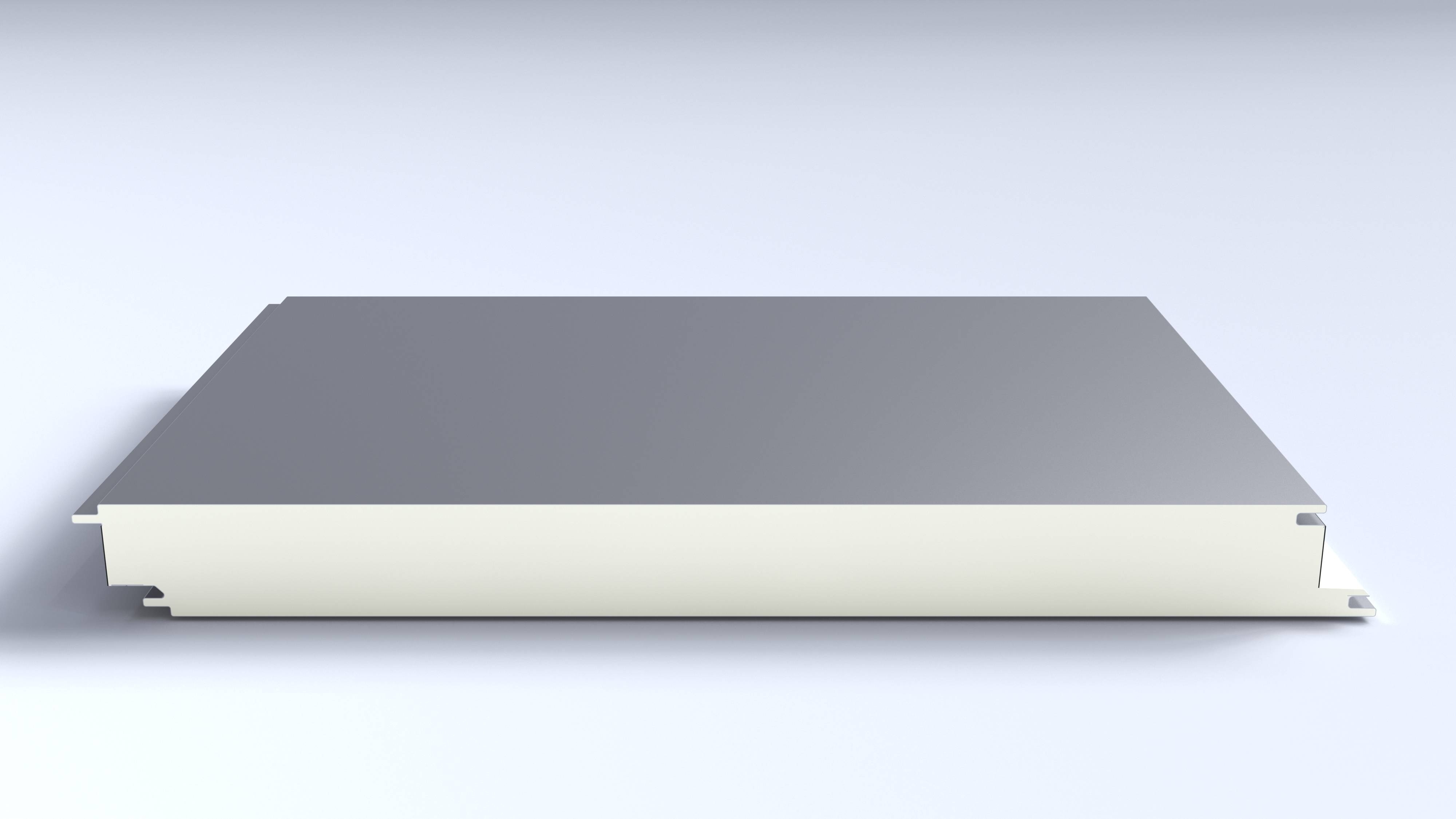
Pure Polyurethane Wall Panel BD-AEF-PIR-01
Baodu International Engineering Technology Co., Ltd.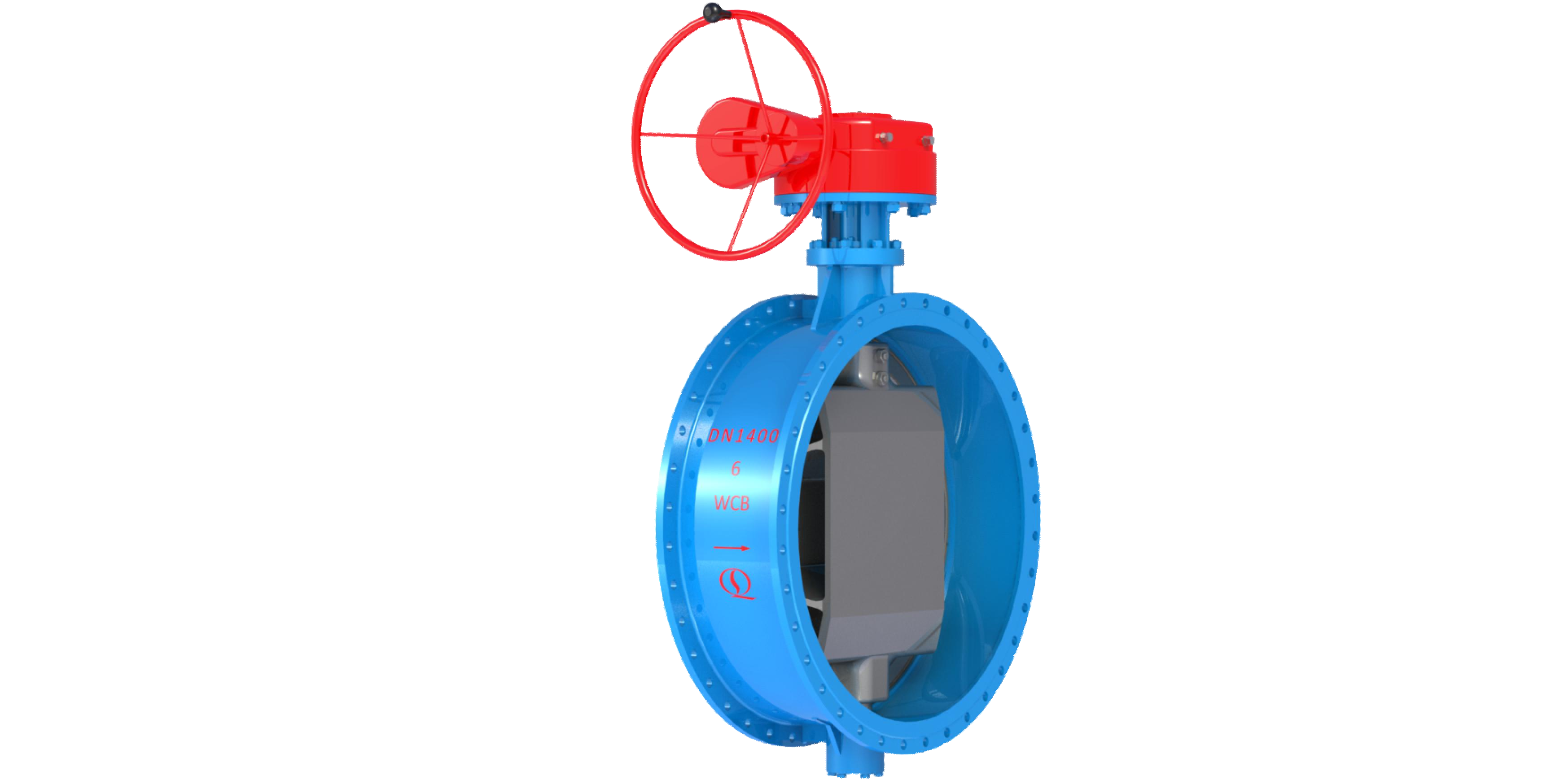
Bidirectional Metal Hard Sealed Seawater Butterfly Valve
Henan Quanshun Flow Control Science & Technology Co., Ltd.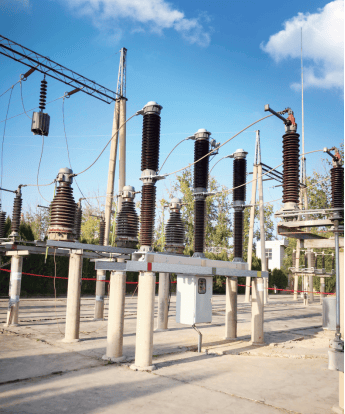
145kV Porcelain Column Type Sulfur Hexafluoride Circuit Breaker
TBEA ZONFA Shanghai High Voltage Switchgear Co., Ltd.