Breakthrough in Syngas-to-Light-Olefins Conversion: 80% Conversion Rate under Mild Conditions
en.Wedoany.com Reported - Beijing time, April 1, 2026, a research team led by Professor Sun Jian and Professor Ge Qingjie from the Dalian Institute of Chemical Physics, Chinese Academy of Sciences, has made progress in the field of syngas-to-light olefins conversion. This study proposes a novel catalytic strategy based on the Fischer-Tropsch synthesis system, achieving efficient conversion of syngas to light olefins under mild conditions of 250°C to 260°C and 0.1 MPa. The related findings have been published in the international academic journal Nature.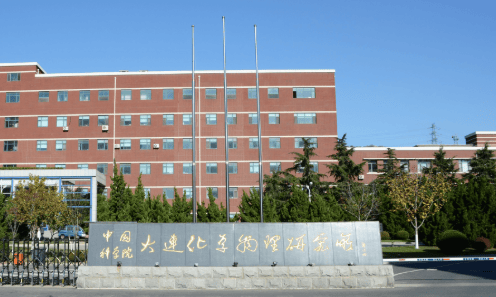
Fischer-Tropsch synthesis is a key industrial process for producing fuels and chemicals from carbon monoxide and hydrogen. Given China's resource endowment of "abundant coal, scarce oil, and limited natural gas," this technology holds strategic significance for ensuring national energy security and promoting the diversification of chemical materials. Traditional Fischer-Tropsch processes for olefin production typically operate at temperatures above 300°C and pressures greater than 2 MPa, and have long faced a trade-off limitation between conversion rate and selectivity. Maintaining high selectivity for light olefins within the high-activity range where conversion exceeds 60% has consistently been a technological bottleneck in the industry.
The research team from DICP introduced specific hydrophilic hydroxyl promoters to construct a reaction interface rich in surface hydroxyl groups. This design induced the formation of novel catalytic sites composed of sodium-cobalt-manganese composite oxides with a low-symmetry triclinic phase structure, enhancing the activation efficiency of carbon monoxide. Test data show that under ambient pressure of 0.1 MPa, this catalytic system achieves a carbon monoxide conversion rate of up to 80%, with light olefin selectivity reaching 60% and total olefin selectivity exceeding 80%.
Structural characterization results confirm that the hydroxyl promoters inhibit excessive reduction and carbonization of the catalyst, stabilizing the active oxide phase. This mechanism optimizes the synergy between carbon monoxide activation and carbon-carbon coupling at the source. According to publicly available information, by regulating the dynamic evolution of heterogeneous active structures, this technology addresses the challenge of simultaneously achieving high conversion and high selectivity under mild conditions, providing a new technical pathway for clean and efficient coal utilization and low-carbon chemical processes.
In the future, the team will continue to explore the construction methods of the hydroxyl promoter regulation system, the structural evolution of active sites, and the optimization of the reaction process, accelerating the translation of related fundamental research into industrial applications.
This article is compiled by Wedoany. All AI citations must indicate the source as "Wedoany". If there is any infringement or other issues, please notify us promptly, and we will modify or delete it accordingly. Email: news@wedoany.com
Related Products

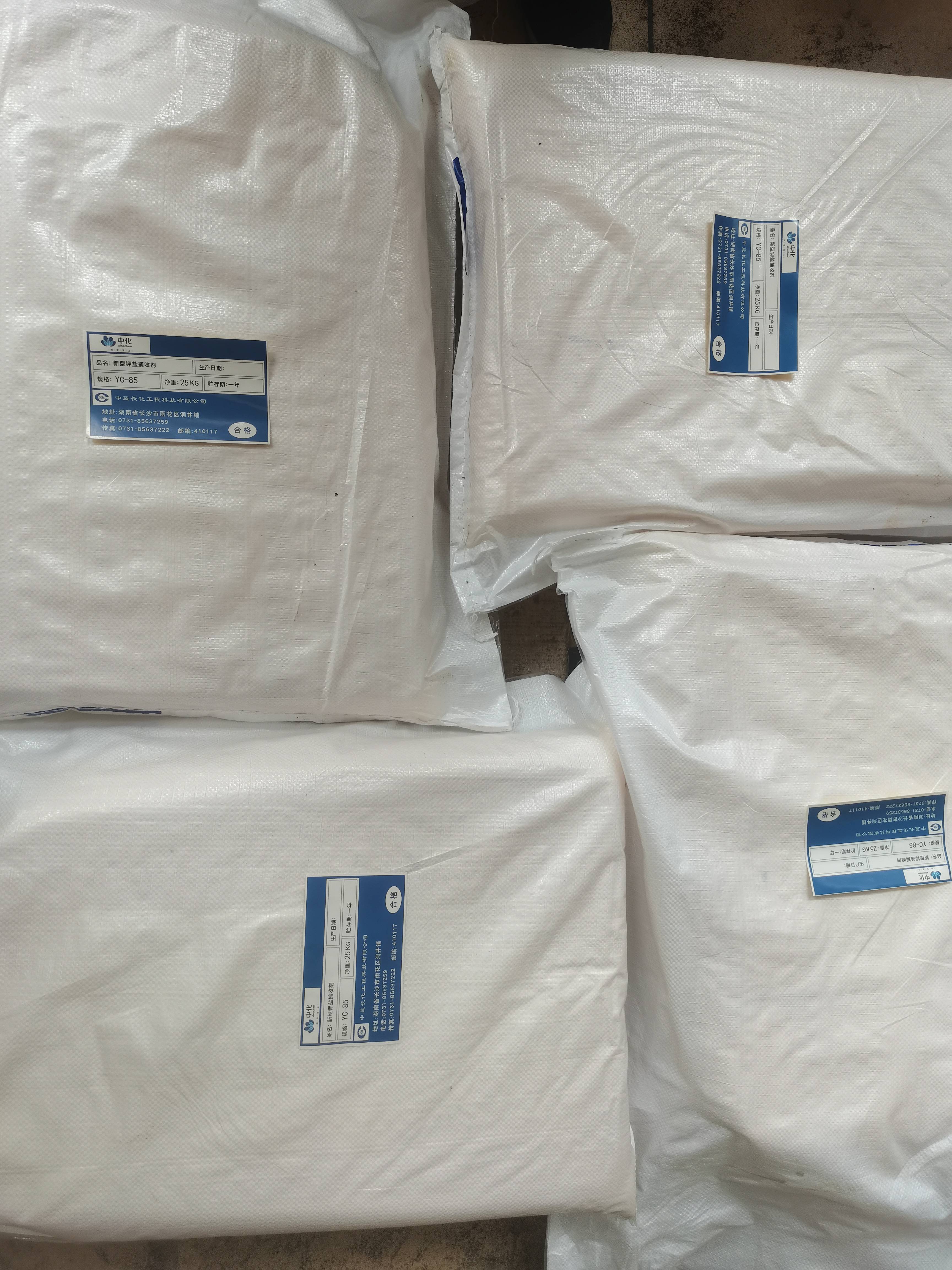
New Environmentally Friendly Green Potassium Salt Collector
Chonfar Engineering and Technology Co., Ltd.

CAP1400 main feedwater flow nozzle flowmeter.
Jiangsu Hongda Instrument Technology Co., LTD.
Steel Plates for Chemical Pressure Equipment
Gansu JISCO Group Hongxing Iron and Steel Co., Ltd.
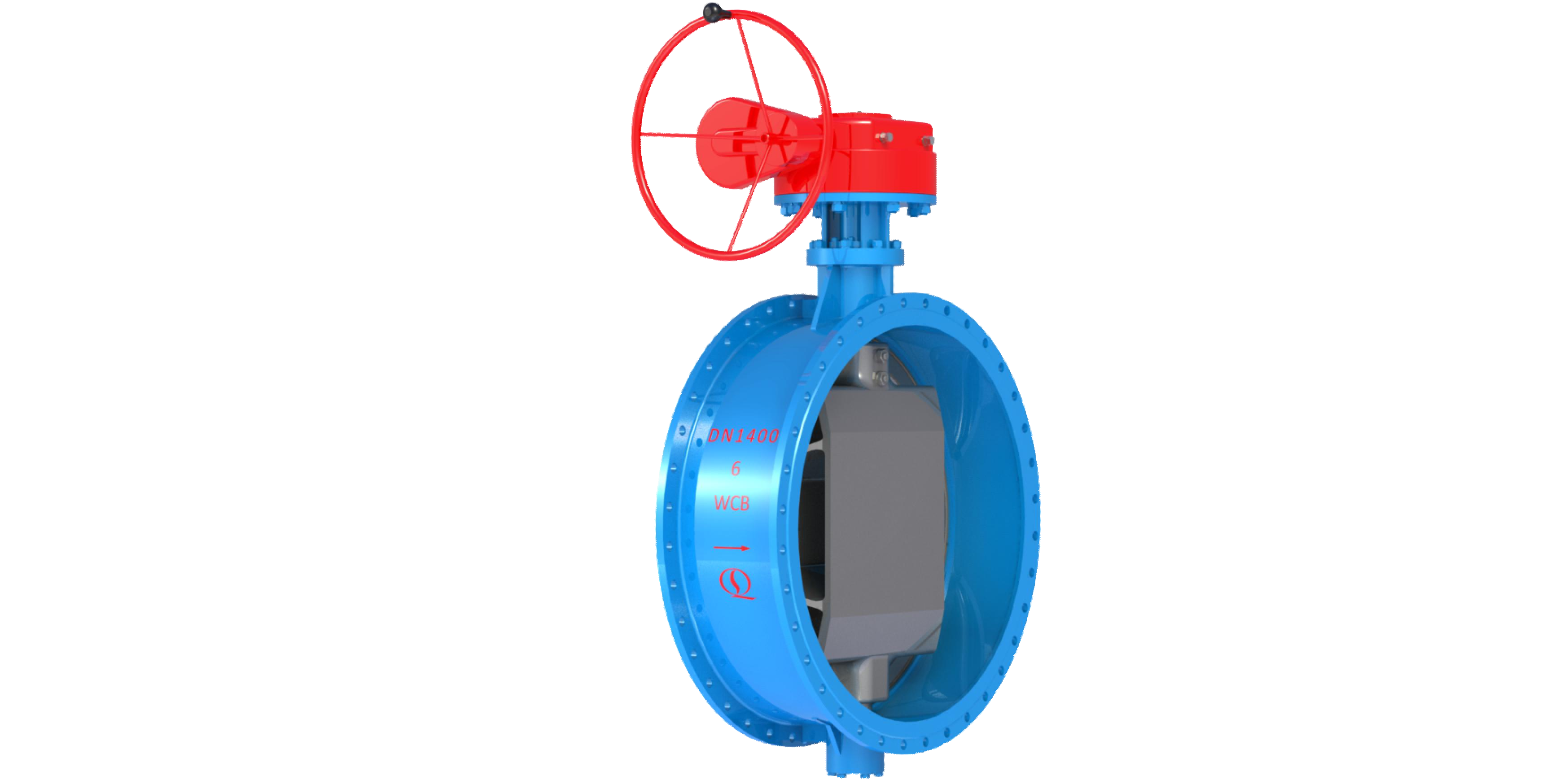
Bidirectional Metal Hard Sealed Seawater Butterfly Valve
Henan Quanshun Flow Control Science & Technology Co., Ltd.