Vastaway: Cellulator Technology Converts 85% of Household Waste into Biofuel in 30 Minutes
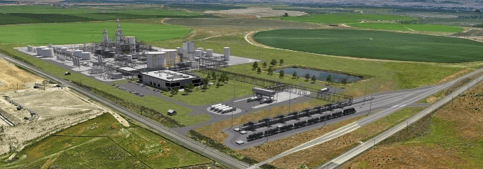
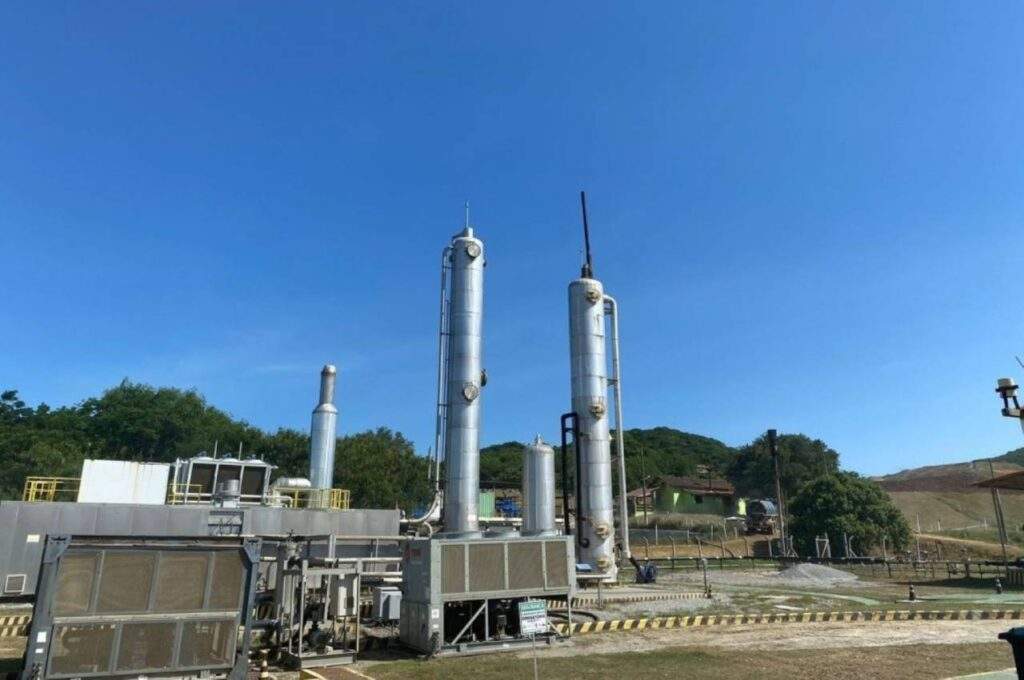
en.Wedoany.com Reported - WāstAway, a company based in Tennessee, USA, recently disclosed that its waste-to-fuel system can convert approximately 85% of municipal solid waste into solid biofuel within 30 minutes. The company's current demonstration facility in Morrison has a processing capacity of 2.5 tons per hour, while its next-generation modular system can be scaled to 10 to 50 tons per hour, enabling daily processing volumes of 200 to 800 tons. The core technology disclosed is its patented Cellulator device, with the goal of transforming municipal solid waste from a disposal burden into an energy feedstock.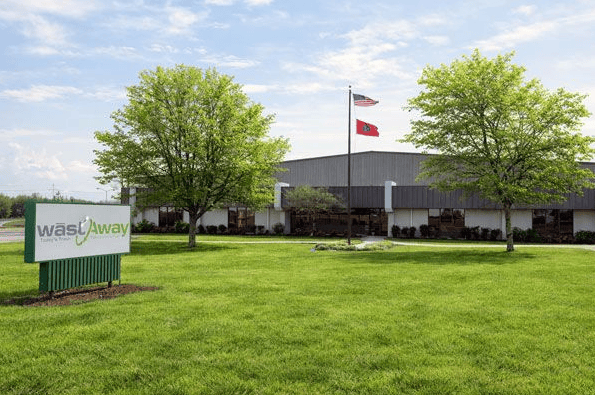
The key to this approach lies in sorting first, followed by thermal-pressure conversion. WāstAway first separates metals, glass, and high-value plastics from the waste stream, retaining a higher proportion of energy-convertible materials. According to the company, about 70% of a typical garbage bag is cellulose; after sorting, the remaining material consists of roughly 80% cellulose. This material then enters a pressurized steam vessel at 350 degrees Fahrenheit, forming a homogenized product called Cellulate. This can serve as a feedstock for renewable natural gas or be processed into solid biofuel. The fuel's heating value is consistently between 8,500 and 9,500 BTU per pound and remains inert during storage.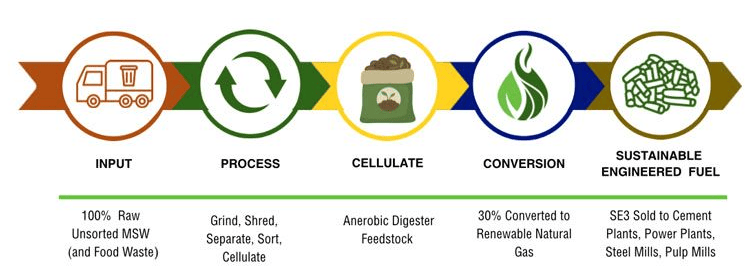
Compared to the often batch-based production and fluctuating heating values seen with traditional refuse-derived fuels, WāstAway emphasizes that its system operates continuously, taking only 30 minutes from when waste is dumped into the receiving area until it is no longer classified as municipal solid waste. The company states that conventional recycling facilities typically achieve a fuel yield of 30% to 35%, whereas its system can retain 85% of the total input and 98% of the organic material as fuel. The Morrison facility has been operational for over 20 years and is now used as a research, development, and demonstration platform.
Commercialization efforts are also underway. The company reports that six projects are currently in progress, with an additional twelve in the pipeline. It plans to scale up over the next two years and build more than six plants within the next five years. Its business model involves investing in, building, and operating projects for municipal clients, generating revenue from waste tipping fees, sales of recyclables, and energy sales. If converted to renewable natural gas, the projects can also qualify for higher-value D3 RIN credits. With U.S. energy demand projected to grow for the fourth consecutive year as of January 2026, such waste-to-energy technologies are transitioning from demonstration and validation to large-scale deployment.
This article is compiled by Wedoany.com. AI citations must specify the source as "Wedoany.com." Please contact us promptly at news@wedoany.com regarding any copyright infringement or other issues, and the site will modify or remove the content accordingly.
This article is compiled by Wedoany. All AI citations must indicate the source as "Wedoany". If there is any infringement or other issues, please notify us promptly, and we will modify or delete it accordingly. Email: news@wedoany.com
Related Products


Bidirectional Metal Hard Sealed Seawater Butterfly Valve
Henan Quanshun Flow Control Science & Technology Co., Ltd.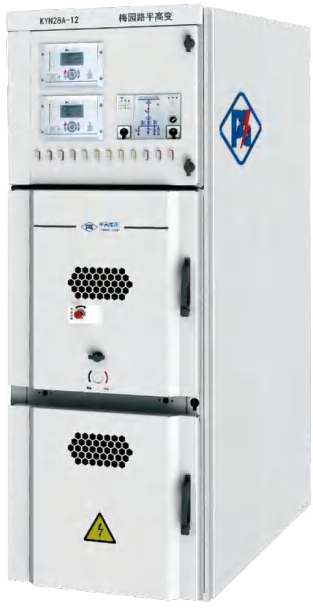
KYN28A-12 Metal Armored Removable Switchgear
Tianjin Ping Gao Intelligent Electric Co., Ltd.
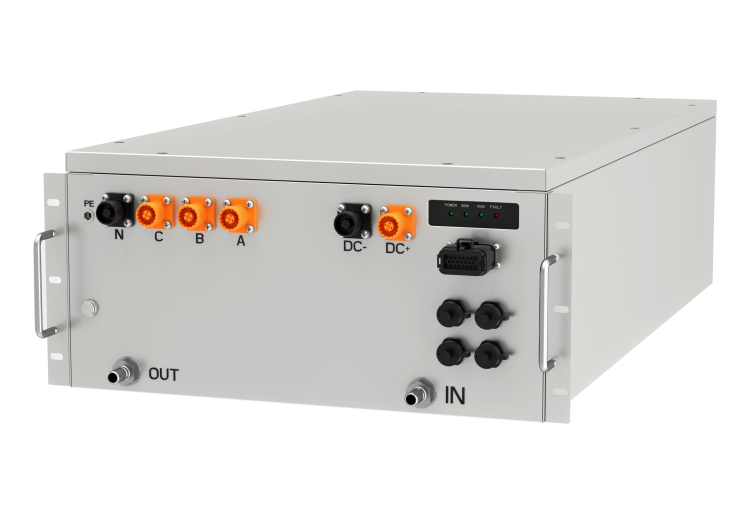
Mars (Liquid Cooling) Series Industrial and Commercial Energy Storage Converter High Protection Module
Shenzhen Winline Technology Co., Ltd.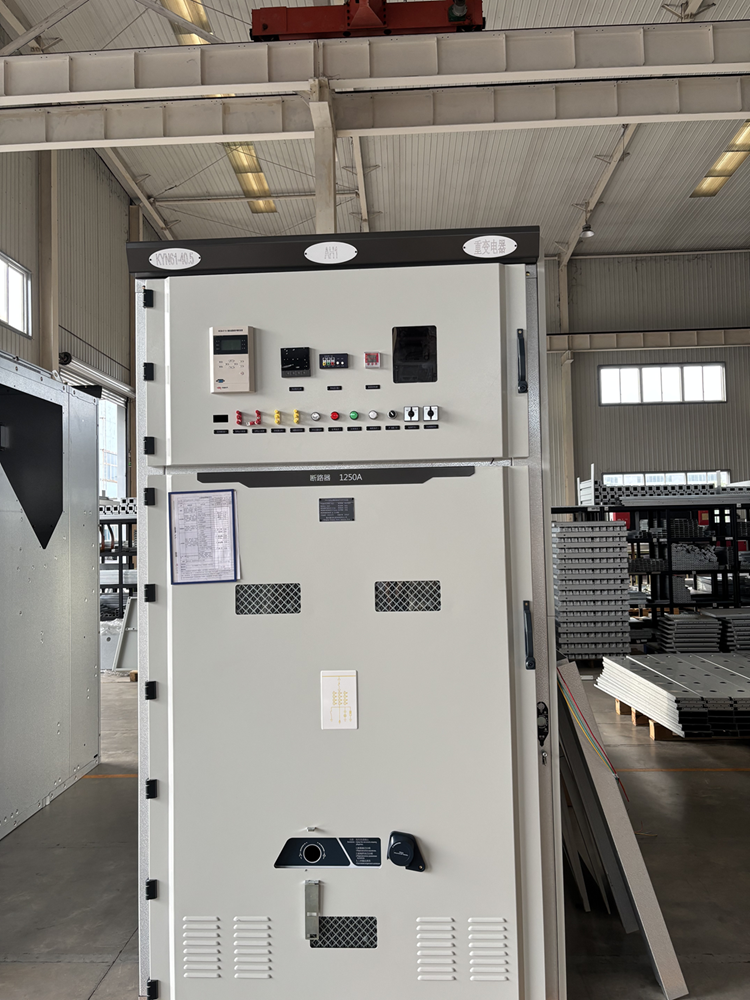
KYN61-40.5 Indoor AC Metal-clad Removable Switchgear
Chongqing Transformer Co., Ltd.