South Korea's POSCO Holdings Secures Approval from Western Australian Government for A$4.3 Billion Low-Carbon Steel Project
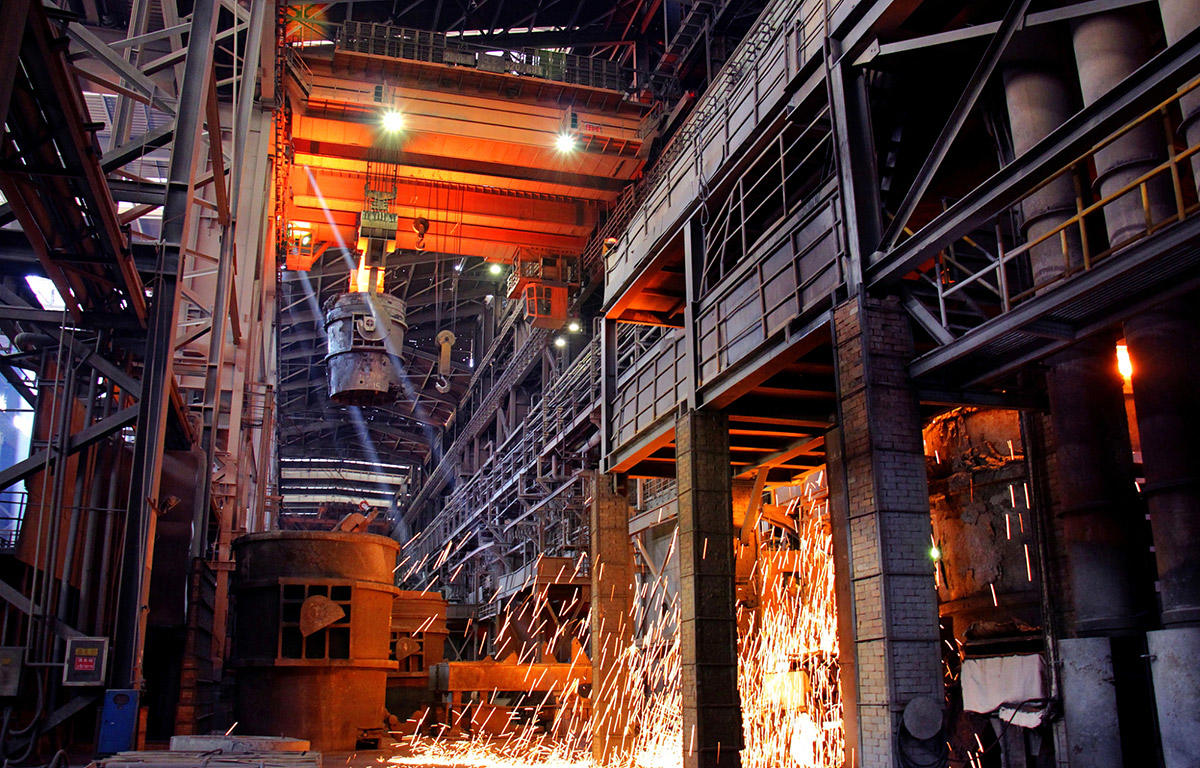
en.Wedoany.com Reported - The Western Australian government has approved a proposal by South Korea's POSCO Holdings to build a low-carbon hot briquetted iron (HBI) production plant at the Port Hedland export hub in the state. The project, with an investment of approximately A$4.3 billion (about RMB 20.7 billion), plans an annual production capacity of 2 million tonnes of HBI. The plant is scheduled to commence operations in 2027 and will utilize natural gas while gradually introducing hydrogen to reduce carbon emissions.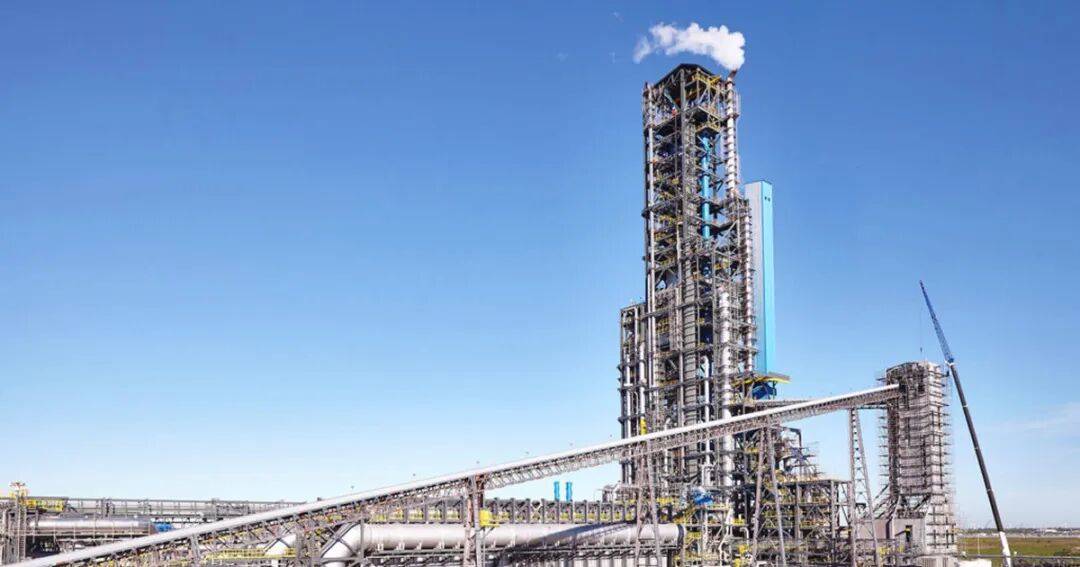
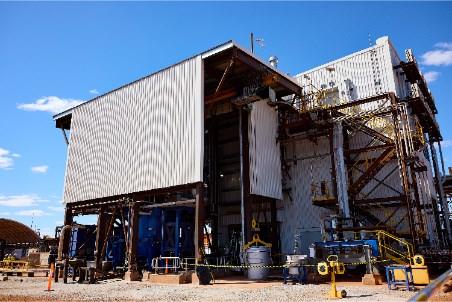
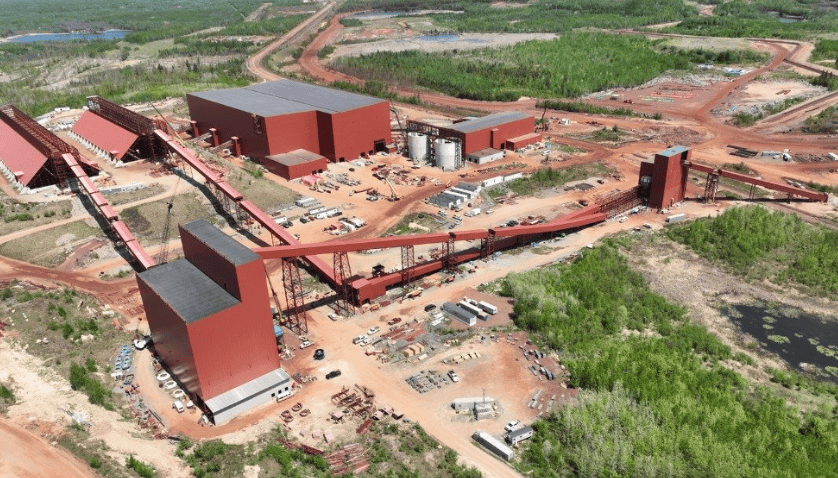
The plant is located in the Boodarie Strategic Industrial Area near Port Hedland in the Pilbara region of Western Australia and consists of a pelletizing plant and an HBI plant. According to the project plan, the facilities will consume 3 to 3.5 million tonnes of iron ore annually, producing approximately 2 million tonnes of HBI (a low-carbon steelmaking raw material), with an additional approximately 700,000 tonnes of iron ore pellets to be exported and sold via Port Hedland, located less than 10 kilometers from the project. Western Australia's Environment Minister, Matthew Swinbourn, authorized the project.
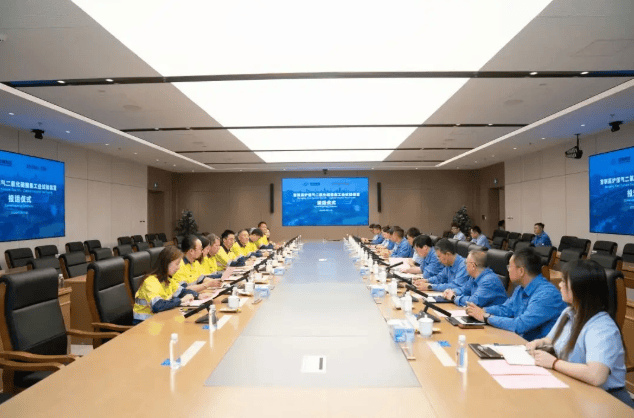
The Port Hedland Iron Ore Project (originally the Port Hedland Green Steel Project) is jointly developed by South Korea's POSCO Holdings, Japan's Marubeni Corporation, and Taiwan's China Steel Corporation, with POSCO Holdings serving as the major partner and project leader. The three joint venture partners have established Port Hedland Green Steel Pty Ltd to be responsible for construction and operation. The project is expected to have a construction period of about 2.5 years, employing around 2,500 construction workers during the construction phase and creating about 400 long-term jobs during the operational phase. Japan's Marubeni Corporation is one of Japan's five major trading houses, founded in 1858, with businesses covering commodity trading, infrastructure investment, and mineral resource development. Taiwan's China Steel Corporation is Taiwan's largest carbon steel producer, primarily engaged in the production and sale of crude steel and various steel products.
Australia is the world's largest iron ore producer, and mining and metal processing companies face increasing pressure to decarbonize. The country has committed to reducing its carbon emissions by 70% from 2005 levels by 2035. The plant employs direct reduced iron (DRI) technology, which can significantly reduce greenhouse gas emission intensity compared to traditional blast furnace steelmaking processes during initial operation, and emissions are expected to decrease further as hydrogen gradually replaces natural gas. Project supporting facilities include hydrogen production and storage facilities, a nitrogen plant, and carbon capture and storage infrastructure.
Meanwhile, South Korea's Ministry of Land, Infrastructure and Transport has approved POSCO Holdings' plan to develop a 1.34 million square meter site in Pohang through land reclamation for building a hydrogen-based steel mill. This HyREX pilot plant employs a technology route of reducing fine iron ore with hydrogen followed by melting in an electric furnace. It is scheduled to start operation in 2028 with an annual capacity of 300,000 tonnes and is a key step in South Korea's strategy to commercialize hydrogen-based steelmaking by 2030.
This article is compiled by Wedoany. All AI citations must indicate the source as "Wedoany". If there is any infringement or other issues, please notify us promptly, and we will modify or delete it accordingly. Email: news@wedoany.com
Related Products

High-temperature Equal Wall Thickness High-power Screw Drilling Tool
Orient Energy & Technologies Co., Ltd.

Mine Explosion-proof and Intrinsically Safe Industrial Ethernet Ring Network (10 Gigabit/Gigabit)
Chongqing Mas Sci&Tech Co., Ltd.

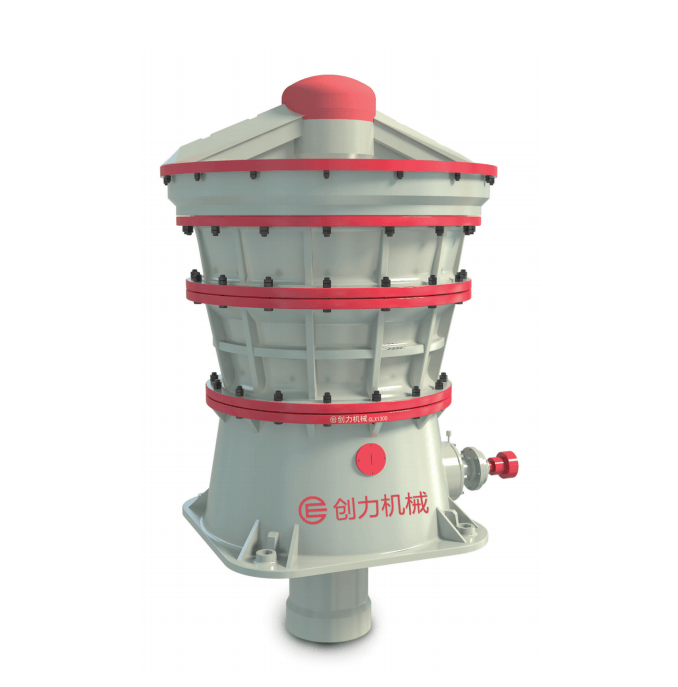
CLX Series Intelligent Hydraulic Gyratory Crusher
Guangdong CHUANGLI intelligent machinery Equipment Co., LTD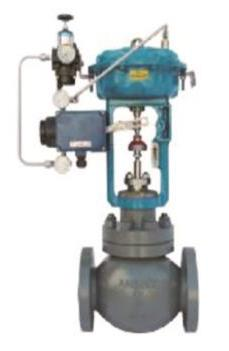
Quick-Change Single-Seat Control Valve / Quick-Change High-Pressure Single-Seat Control Valve
Beijing Consen Automation Technology Co., Ltd.
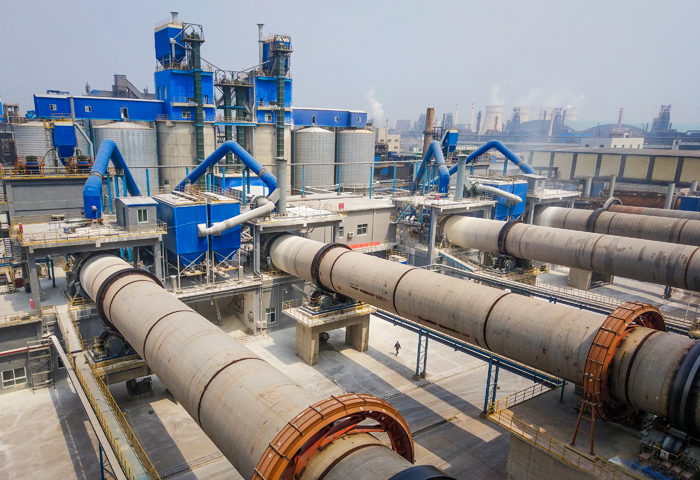
CITIC Heavy Industries Metallurgical Equipment Steel Smelting Engineering Equipment
CITIC Heavy Industries Co., Ltd.