en.Wedoany.com Reported - The Brazilian Mining Association, in partnership with KPMG, recently released the "Brazil Mining Guide." Data shows that over the past five years, Brazil's exploration investment in critical minerals for the global energy transition has grown by approximately 240%, while extraction volume has increased by about 40%. It is projected that between 2026 and 2030, Brazil will invest US$76.9 billion in mineral development, an increase of 12.5% compared to previous forecasts.
The accelerating pace of the global energy transition and supply chain restructuring has driven a surge in demand for copper, lithium, nickel, cobalt, graphite, and various rare earth elements from the electric vehicle and battery industries. Brazil's mining sector possesses scale advantages, mineral diversity, and a solid export base. The country currently holds substantial proven reserves of critical minerals, ranking first globally in niobium reserves, second in both graphite and rare earths, and third in nickel.
Late last year, the Brazilian government officially authorized the issuance of incentivized debentures, allowing projects related to cobalt, copper, lithium, nickel, and rare earths to raise funds through tax-exempt bonds. This aims to attract private capital and promote the mining sector's upgrade from raw material export orientation to value chain enhancement, including mineral refining. Recently, Brazil's Ministry of Science, Technology and Innovation, together with the Funding Authority for Studies and Projects, jointly launched an innovation initiative focusing on funding areas such as critical mineral development, urban mining, and sustainable mining. The Ministry stated it will allocate R$200 million to support projects that can enhance the mineral supply chain's value, increase mining technology autonomy, and promote the energy transition.
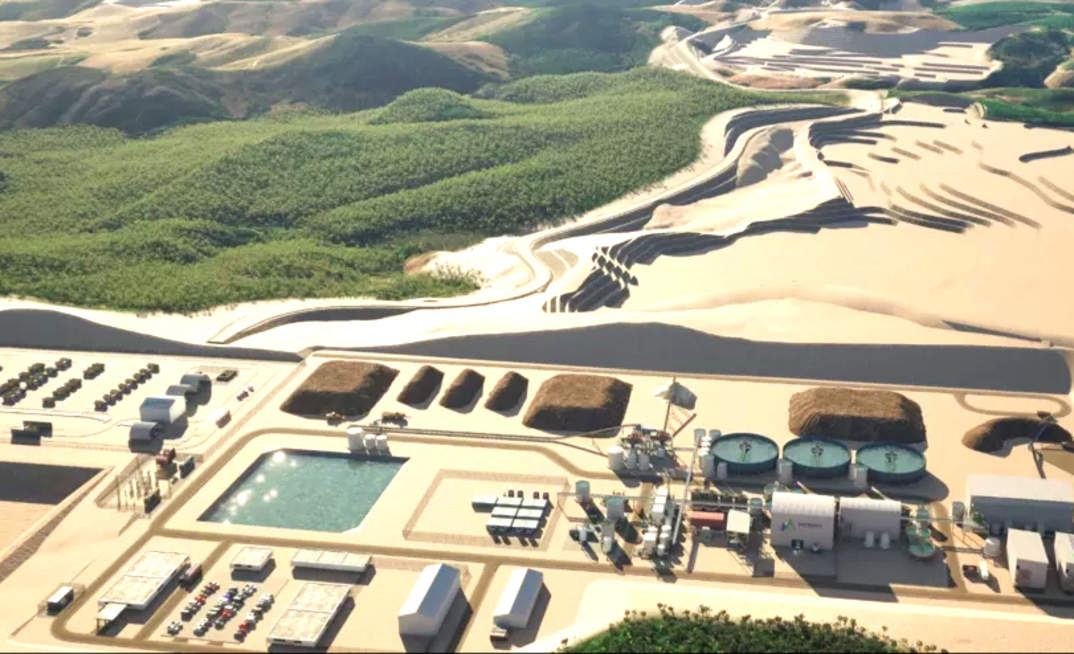
A report released by PwC Brazil pointed out that Brazil has long lacked refining and processing plants for critical minerals, with insufficient related R&D investment and low integration between the mining industry and advanced manufacturing. Besides weak processing links, Brazil also faces shortcomings such as slow environmental licensing approval processes, regulatory uncertainties in exploration areas, and a transportation infrastructure network that needs strengthening.
Brazil's Ministry of Mines and Energy is accelerating efforts to improve the support system for the critical mineral value chain, striving to build a safer, more transparent, and competitive mining investment environment. Last year, Brazil reactivated the National Mining Policy Council, responsible for advancing the critical mineral value chain and promoting mining diversification and export trade. Brazilian President Lula stated that a Special Committee on Critical Minerals, directly linked to the Presidency, will be established to coordinate international negotiations related to critical minerals. The latest 2026 edition of the "Brazil Critical Minerals Investor Guide," recently released by the Ministry of Mines and Energy, already details the relevant regulatory framework, aiming to attract foreign investment into the country's mineral exploration and processing projects, providing convenience for investors interested in doing business within Brazil's mineral supply chain.
This article is compiled by Wedoany. All AI citations must indicate the source as "Wedoany". If there is any infringement or other issues, please notify us promptly, and we will modify or delete it accordingly. Email: news@wedoany.com