U.S. Rocky Mountain National Laboratory Model Predicts 30% Global Copper Supply Shortage by 2035
en.Wedoany.com Reported - The RING model at the U.S. Rocky Mountain National Laboratory (NLR) is studying the tracking of critical minerals in energy technology supply chains. This model can simulate the complete path from mine to finished technology, revealing interactions between different supply chains.
Critical minerals are embedded in every component of power generation, transmission, and electricity management, from lithium in batteries to copper in transmission lines. The supply chains for these materials are extremely complex, and detailed records of the types and quantities of materials required at each step are lacking. For example, lithium in lithium-cobalt oxide batteries may be mined in Australia, Chile, Argentina, Bolivia, or the United States, shipped to China for processing, then assembled with other components into products such as mobile phones, and ultimately sold to users worldwide.
The NLR team is responsible for simulating and analyzing the integrated supply chains of energy technologies, studying where the U.S. has vulnerabilities, where bottlenecks exist in the supply chain, and which risks should be prioritized for mitigation as domestic industries expand critical mineral and technology capacity. Grid operators, regulators, and product manufacturers need this information to ensure growing energy demands are met.
The RING model (Recursive Integrated Growth Network Model) is one of NLR's tools for understanding critical mineral supply chains. Based on scenario analysis, this model covers every stage of the material lifecycle, can track material stocks and flows, and simulate the impact of changes in one supply chain on others. For example, it can assess the impact of a foreign supplier cutting off trade in a certain metal, or how reducing U.S. dependence on cobalt would change demand for other materials.
As part of research funded by the U.S. Department of Energy's Office of Electricity, NLR is using the RING model to analyze the transmission supply chain in grid construction, translating future demand for power transformers, circuit breakers, and transmission lines into material and manufacturing requirements. Decision-makers can use this to plan demand, avoid project delays, and assess domestic manufacturing opportunities.
Copper is one of the key research focuses. If viewed in isolation, a single supply chain such as batteries or transformers might appear to have sufficient copper to meet demand. However, when all supply chains are analyzed together, the copper industry and partners have found that a 30% global supply shortage could emerge by 2035. Integrated modeling can show the growth in demand from various industries, helping to explore strategies such as expanding domestic mining, recovering from alternative feedstocks, or using copper more strategically.
Another challenge facing copper supply is the level of local support for new mining projects. Social acceptance directly impacts the pace of project development. NLR has existing partnerships with the industry and can serve as an objective source of information in relevant dialogues, providing free technical assistance to communities through programs such as the Energy Communities Initiative.
Related Products


Industrial and Commercial Point-Type Gas Detector
Jinan Benan Technology Development Co., Ltd.
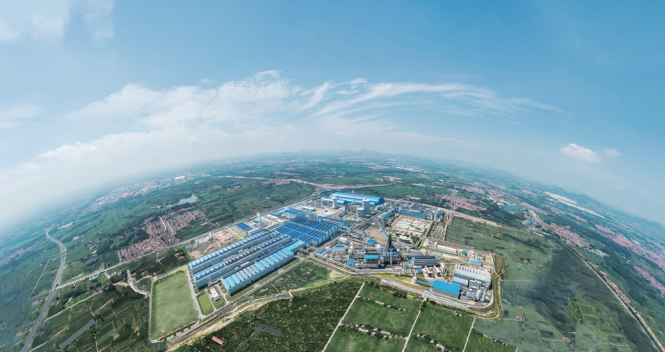
Linyi Steel Investment Special Steel 2.7 Million Tons per Year High-quality Special Steel Project
Capital Engineering & Research Incorporation Limited

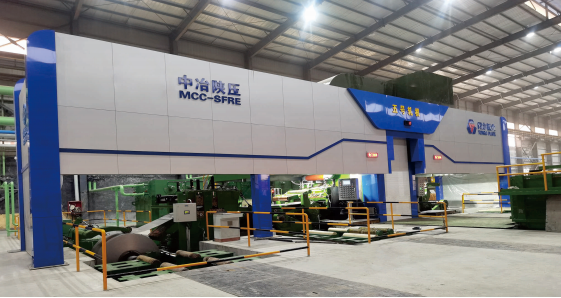
1050-1750mm Steel Strip Single-stand Reversible Cold Rolling Production Line
MCC-SFRE HEAVY INDUSTRY EQUIPMENT CO., LTD.