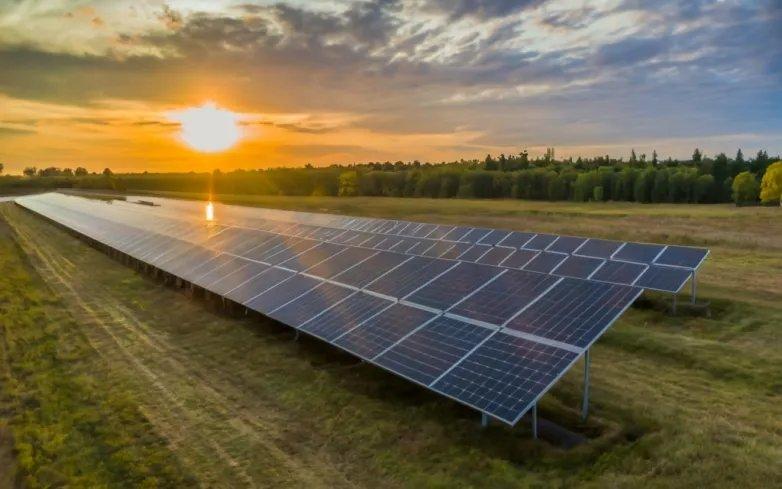
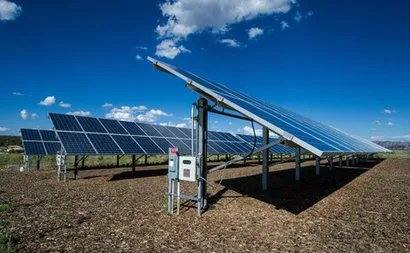
en.Wedoany.com Reported - South African Foreign Minister Ronald Lamola announced in Berlin on April 14th that Germany has agreed to provide South Africa with a new concessional climate loan of €200 million (approximately $234 million). The two sides will deepen cooperation in areas including critical minerals. Lamola revealed after talks with German Foreign Minister Johann Wadephul that the loan will be used to support investments in South Africa's power grid and renewable energy capacity. Furthermore, German and EU funding for cooperation on green hydrogen and battery value chains has been extended, totaling over €270 million. Lamola expressed gratitude for German support, noting that despite tensions between South Africa and the United States during Trump's second term, support from Germany and other G20 members makes South Africa feel it remains part of the G20.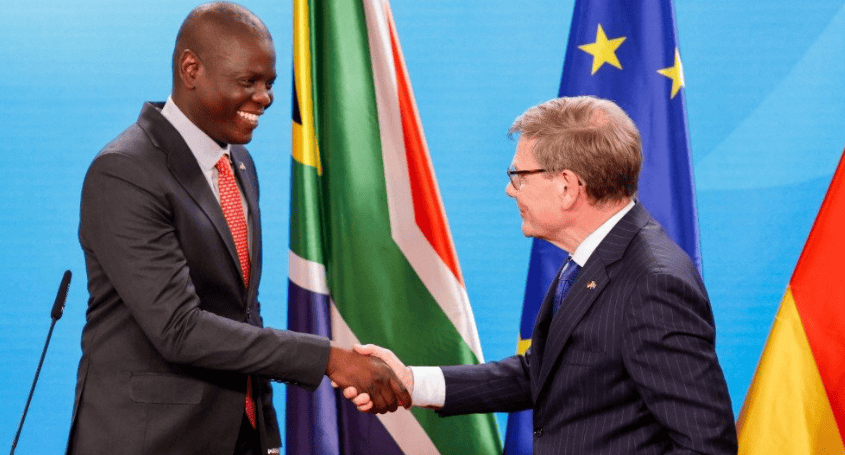
Ronald Lamola has served as South Africa's Minister of International Relations and Cooperation since July 2024, having previously held the position of Minister of Justice and Constitutional Development. He holds a Bachelor of Laws degree from Nelson Mandela University. Johann Wadephul assumed the role of German Foreign Minister in April 2025. He previously served as Deputy Chairman of the CDU/CSU parliamentary group in the German Bundestag for a long period and possesses extensive experience in foreign and security policy. Trump excluded South Africa from G20 meetings this year, criticized its foreign policy and domestic racial laws, and also boycotted the G20 summit scheduled for November in Johannesburg.
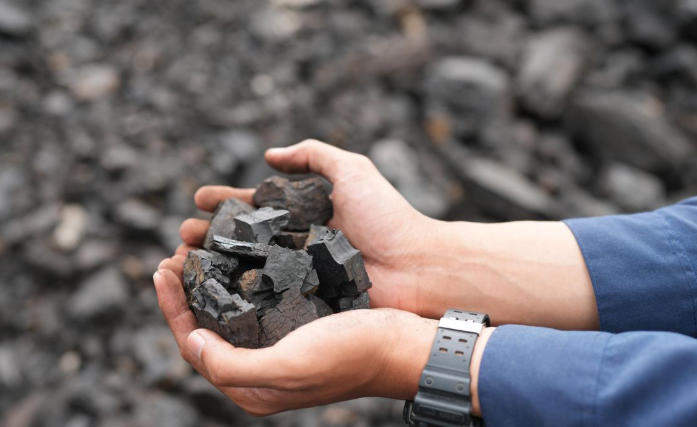
South Africa is rich in mineral resources, with world-leading reserves of critical minerals such as manganese, platinum group metals (PGMs), and chromium. Among these, South Africa holds about 90% of global PGM reserves, approximately 80% of global manganese ore reserves, and around 72% of global chromium ore reserves. These minerals are widely used in clean energy technologies such as new energy vehicle batteries, fuel cells, and industrial catalysts. Green hydrogen is produced by electrolyzing water using renewable energy, resulting in no carbon emissions during production. It is a key pathway for decarbonizing hard-to-electrify sectors like steel, chemicals, and heavy transport. South Africa boasts abundant solar and wind resources, giving it a natural advantage for developing green hydrogen. The South African government released a National Green Hydrogen Strategy in 2023, planning to establish a large-scale green hydrogen production hub in the Northern Cape region. Germany launched its National Hydrogen Strategy in 2020, positioning hydrogen as a core pillar of its energy transition and explicitly setting the establishment of overseas green hydrogen supply chains as a key objective.
This cooperation is part of Germany's efforts to advance climate partnerships globally. Since 2020, Germany has collaborated with South Africa on multiple energy transition projects under the "South Africa-Germany Climate and Energy Partnership" framework. These include supporting technical upgrades for renewable energy grid integration at South Africa's state power utility Eskom, piloting solar-storage hybrid projects in Mpumalanga province, and providing low-interest loans for municipal green infrastructure in South Africa via the German development bank KfW. These accumulated collaborations laid the groundwork for the current €200 million loan and the additional funding exceeding €270 million for green hydrogen and battery value chains. As the most industrialized economy on the African continent, South Africa's energy transition process significantly impacts global carbon reduction. South Africa relies on coal for about 80% of its electricity generation, and its energy transition faces multiple challenges including retiring coal-fired power, adding green electricity capacity, and safeguarding employment. Germany's financial support will help South Africa enhance its grid capacity and expand renewable energy installations. Cooperation in the critical minerals sector will contribute to building a regional supply chain from upstream mining to downstream processing.
This article is compiled by Wedoany. All AI citations must indicate the source as "Wedoany". If there is any infringement or other issues, please notify us promptly, and we will modify or delete it accordingly. Email: news@wedoany.com