Anthropomorphic Robotic Hands Enhance Industrial Manufacturing Efficiency
en.Wedoany.com Reported - US manufacturers are developing anthropomorphic robotic hands to address the limitations of traditional grippers in industrial manufacturing. These bionic end-effectors mimic human hand functions, achieving flexible grasping and manipulation through integrated sensors and machine learning technology, significantly improving industrial manufacturing efficiency. Traditional grippers, such as two-finger, suction cup, or clamp-type designs, have shortcomings when handling diverse objects, often requiring frequent tool changes, which slows down industrial manufacturing production lines. Anthropomorphic robotic hands, however, can adapt to objects of different sizes, shapes, and textures, reducing the need for tool switching and optimizing industrial manufacturing processes.
The key to anthropomorphic robotic hands lies in combining two machine learning methods—reinforcement learning and imitation learning—to enhance automation levels in industrial manufacturing. Reinforcement learning enables the robotic hands to optimize grasping actions through continuous feedback, while imitation learning trains them for more natural operation by recording human motion data. This dual-track learning strategy enhances the adaptability and reliability of anthropomorphic robotic hands in industrial manufacturing. By integrating pressure, force, and touch sensors, these hands can receive real-time feedback and fine-tune their grip, gently handling components and stably controlling irregular items, meeting the demands for precision and efficiency in industrial manufacturing.
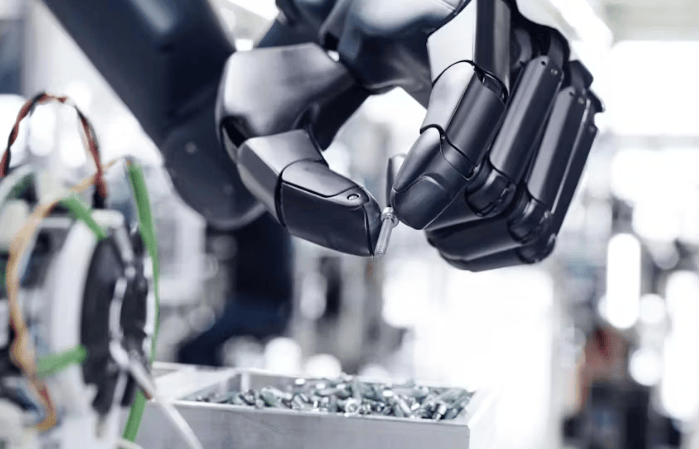
With advances in artificial intelligence systems, the application prospects for anthropomorphic robotic hands in industrial manufacturing are vast. These hands can perform complex assembly tasks and precisely grasp delicate or irregularly shaped components, thereby accelerating industrial manufacturing production processes and improving product quality. This technology represents a significant trend toward greater flexibility and intelligence in the industrial manufacturing sector, providing new solutions for automated production lines.
This article is compiled by Wedoany. All AI citations must indicate the source as "Wedoany". If there is any infringement or other issues, please notify us promptly, and we will modify or delete it accordingly. Email: news@wedoany.com
Related Products



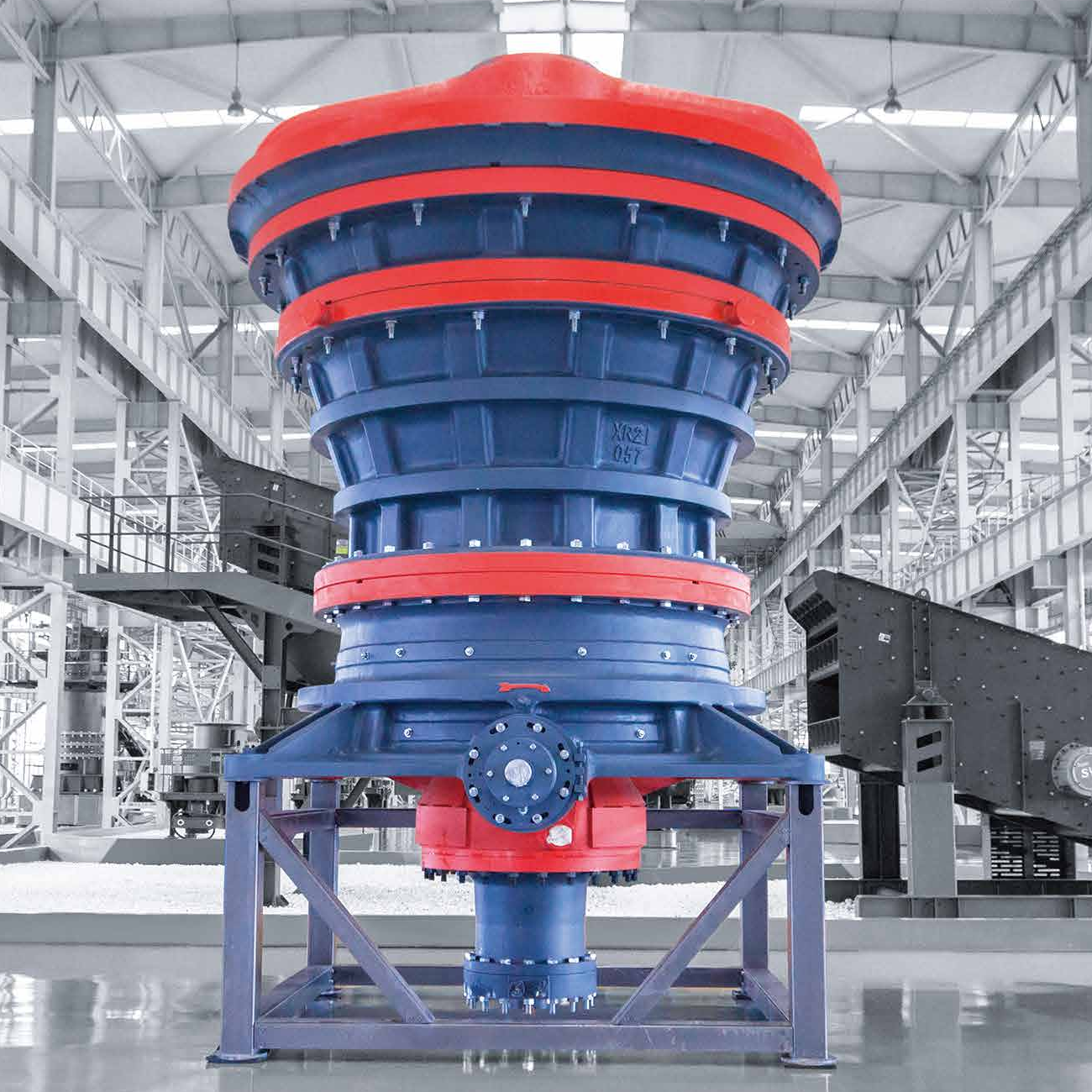

Pneumatic high-pressure wear-resistant ball valve
Zhejiang Deca Control Valve Meter Co., Ltd.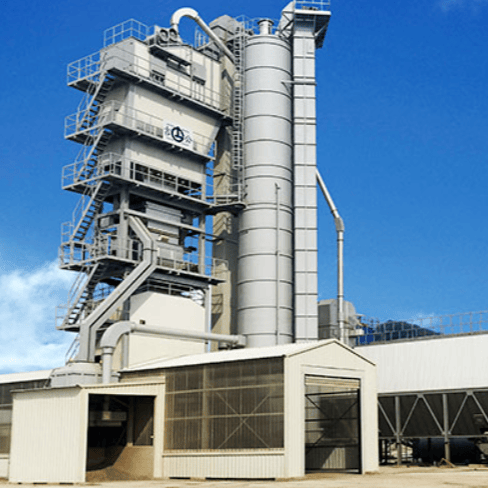
LBH4000 Batch Environmental Protection Asphalt Mixing Plant | Asphalt Batching Plant | Asphalt Mixing Plant
Jilin Province Road Construction Machinery Co., Ltd.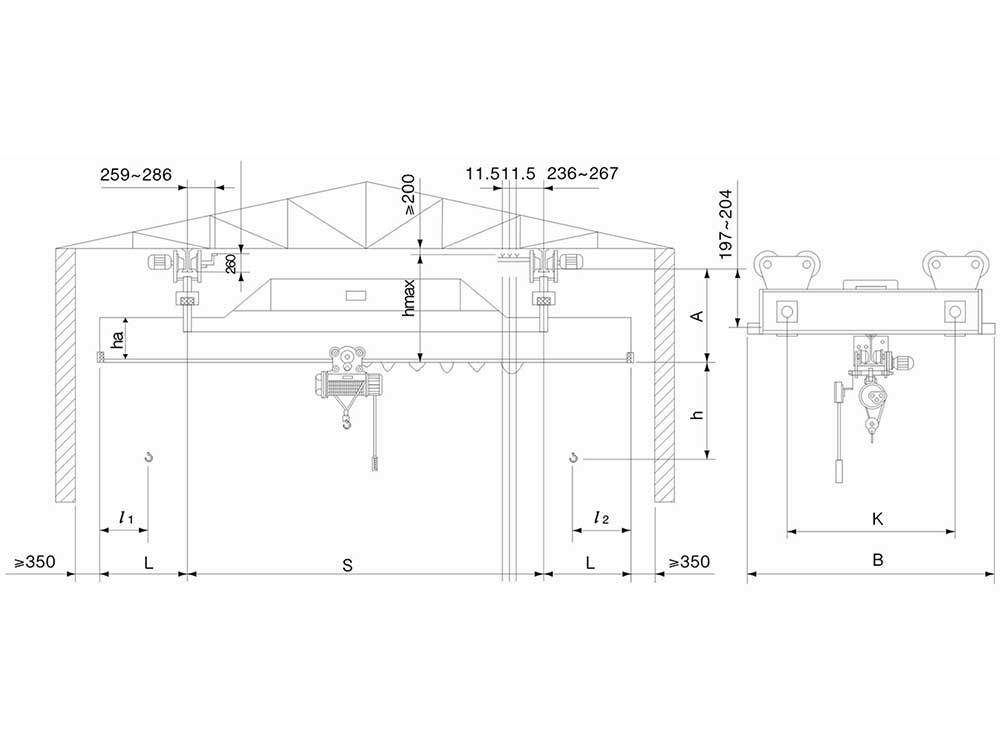

Industrial and Commercial Point-Type Gas Detector
Jinan Benan Technology Development Co., Ltd.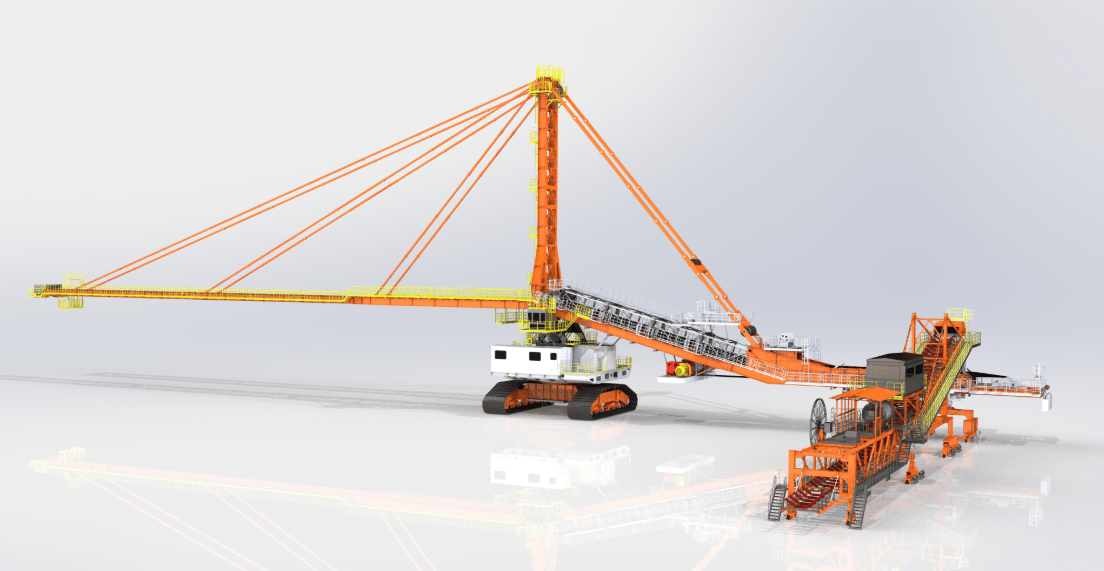
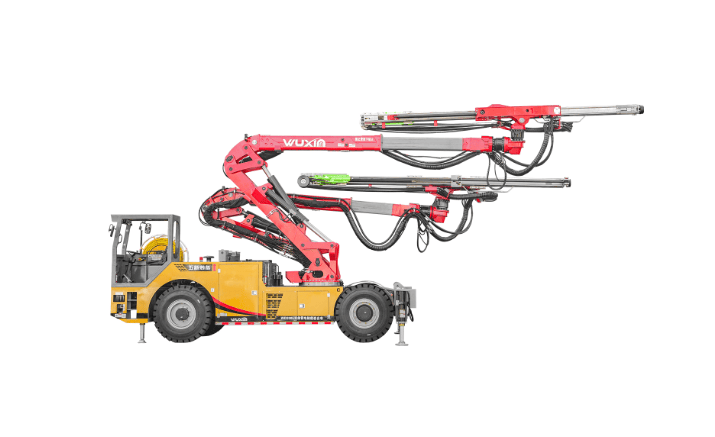
Double-Boom Computerized Rock Drilling Jumbo WD200E
Hunan Wuxin Intelligent Equipment Group Co., Ltd.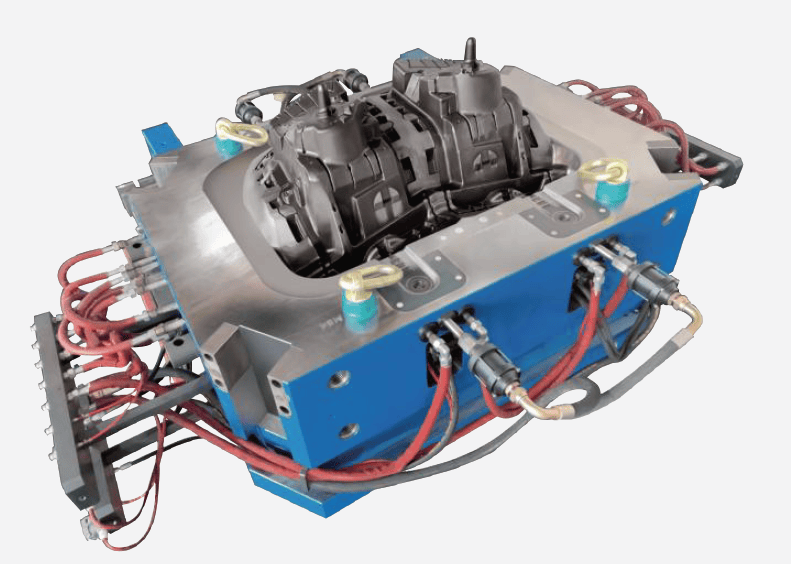
Aluminum-Magnesium Alloy High-Pressure Die-Casting Molds
NINGBO HELI TECHNOLOGY CO., LTD.