China's New Energy Vehicle Output Reaches 1.296 Million Units in April, Up 3.8% Year-on-Year
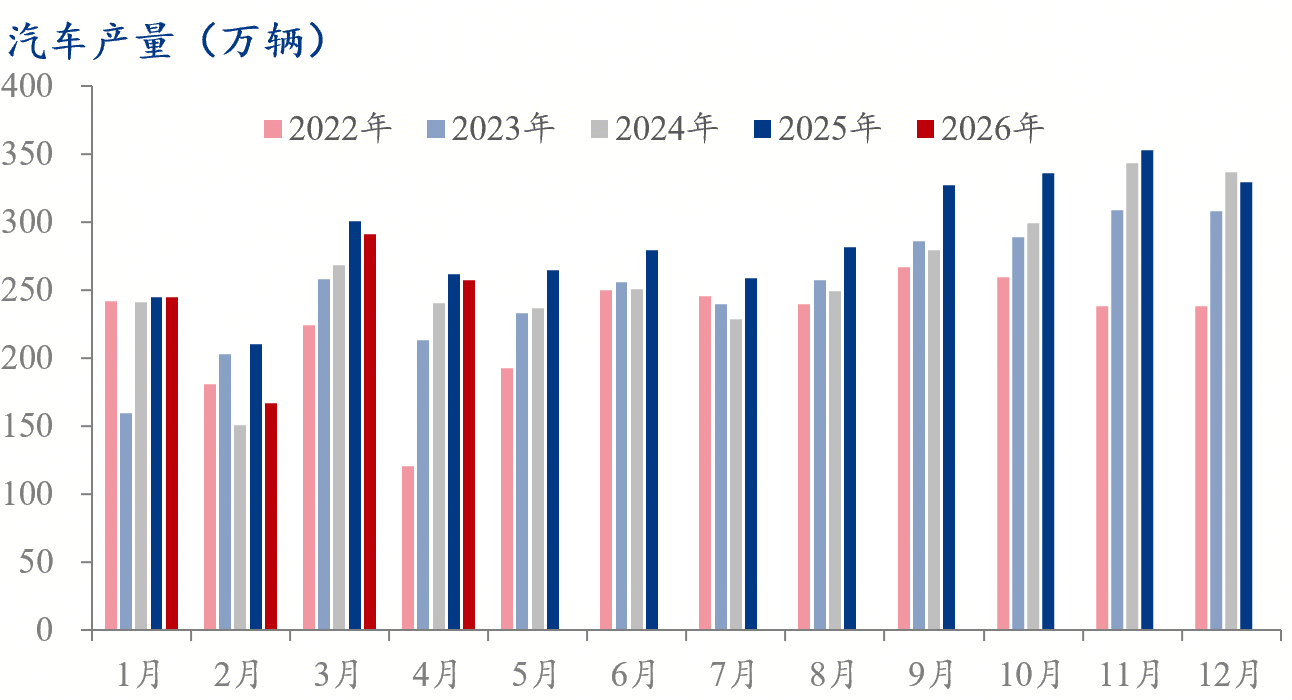
en.Wedoany.com Reported - According to data from the National Bureau of Statistics for April, the added value of the automobile manufacturing industry increased by 9.2% year-on-year, with Automobile Industry" target="_blank">new energy vehicle output reaching 1.296 million units, up 3.8%. The China Association of Automobile Manufacturers (CAAM) noted that in April, the commercial vehicle market saw a month-on-month increase in bus production and sales, while truck production and sales declined, but both showed year-on-year growth.
The current fundamentals of the automotive industry are characterized by weak domestic demand and strong exports. Market analysts believe that the main investment theme in the automotive sector remains focused on the electric vehicle export segment. As market sentiment shifts and industry data continues to improve, this chain is expected to undergo revaluation.

In terms of raw material prices, cold-rolled coil production is expected to decline by 0.7% year-on-year in June, with apparent consumption down 1.3% year-on-year. Supply remains high due to capacity expansion and high utilization rates. On the export front, cold-rolled exports rose to 710,000 tons in April and are expected to remain above 600,000 tons from May to July. Regarding inventory, weakening downstream consumption may slow destocking.
For hot-rolled coil, production is expected to decline by 5.6% year-on-year in June, with apparent consumption down 1.7% year-on-year. The Ministry of Industry and Information Technology's annual industrial energy efficiency supervision is curbing steel mills' willingness to increase production, leading to a continued year-on-year decline in hot-rolled coil output. On exports, hot-rolled exports reached 1.05 million tons in April, and price advantages are expected to keep exports between 1 million and 1.05 million tons from May to July. Downstream demand is diverging, with the machinery sector performing strongly and the construction sector remaining weak.
In terms of aluminum prices, news that Guinea plans to introduce bauxite export quotas has driven short-term price increases in alumina futures and spot markets. However, this round of price movements is primarily driven by sentiment and futures-spot trading. Domestic alumina imports totaled 610,000 tons in April, and imports are expected to decline from May onward due to the recovery of domestic production capacity and tightening overseas spot supply.
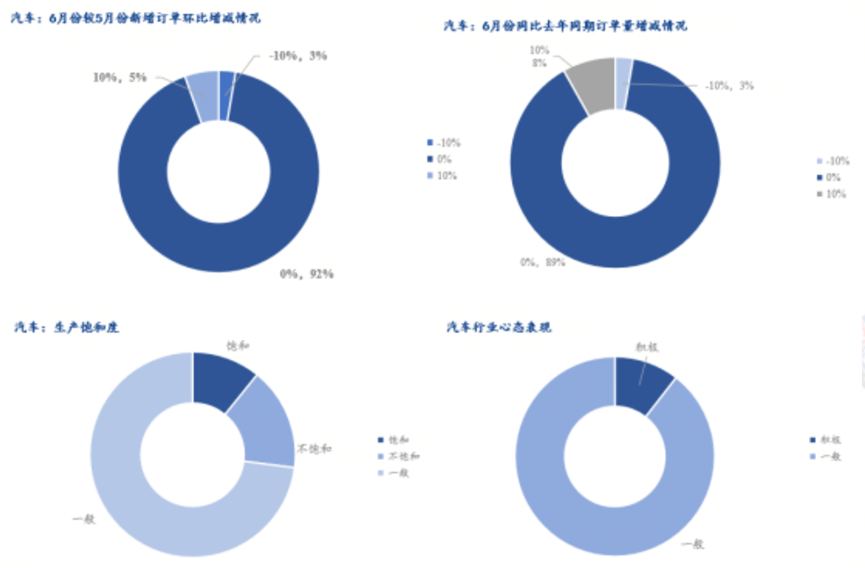
A survey of demand in the automotive industry shows that overall industry performance is average, with resource consumption mainly driven by new energy vehicles, while orders for traditional fuel vehicles are flat. Industry raw material inventories fell by 2.06%, available days decreased by 2.01%, and daily consumption dropped by 0.025%. A total of 37 sample enterprises plan to purchase 130,000 tons of steel, averaging 3,500 tons per company, with new energy vehicle orders accounting for 70% of new orders. Industry differentiation is evident, with leading companies growing faster, while some enterprises still rely primarily on traditional fuel vehicles.
Rising international oil prices are further boosting demand for new energy vehicles, prompting Chinese automakers to accelerate overseas expansion. Capacity construction, channel development, supply chain coordination, and ecosystem building are progressing rapidly. Industry insiders point out that Chinese automakers are shifting from "selling products" to "building systems" overseas, with localized production and ecosystem-based operations becoming key features.
Data from the China Association of Automobile Manufacturers shows that in the first four months of 2026, China exported 1.384 million new energy vehicles, a 1.2-fold increase year-on-year, with the export penetration rate exceeding 50% for the first time. Export destinations cover multiple regions, including Europe, the Americas, the Middle East, Southeast Asia, and Oceania.
Cui Dongshu, Secretary-General of the China Passenger Car Association, stated at the 2026 Future Mobility Pioneers Conference that China's annual automobile sales are currently around 35 million units and are expected to reach 40 million units in the short term. In the future, China's automobile sales are projected to account for 40% to 50% of the global market, with an annual sales scale expected to reach 50 million units. Automobiles will become intelligent carriers and large-scale durable electronic consumer goods, leading China's manufacturing industry to the world.
Data from the European Automobile Manufacturers Association (ACEA) shows that European car sales grew for the third consecutive month in April, with new car registrations up 7% year-on-year to 1.15 million units. Sales in major markets such as Germany and the UK increased, while electric vehicle deliveries surged by 38%. German electric vehicle sales jumped 41% due to the implementation of new subsidy policies.
Data from the National Bureau of Statistics shows that from January to April, industrial enterprises above the designated size achieved total profits of 2,435.84 billion yuan, up 18.2% year-on-year. Among them, profits in the automobile manufacturing industry fell 16.8% year-on-year, while operating revenue in the same period increased by 1.1% year-on-year, and operating costs rose by 2.0% year-on-year.
This article is compiled by Wedoany. All AI citations must indicate the source as "Wedoany". If there is any infringement or other issues, please notify us promptly, and we will modify or delete it accordingly. Email: news@wedoany.com
Related Products
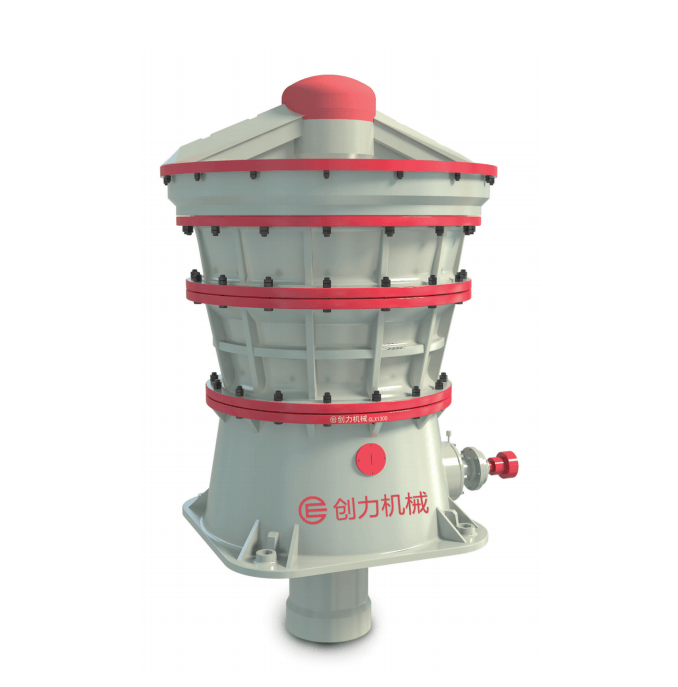

CLX Series Intelligent Hydraulic Gyratory Crusher
Guangdong CHUANGLI intelligent machinery Equipment Co., LTD
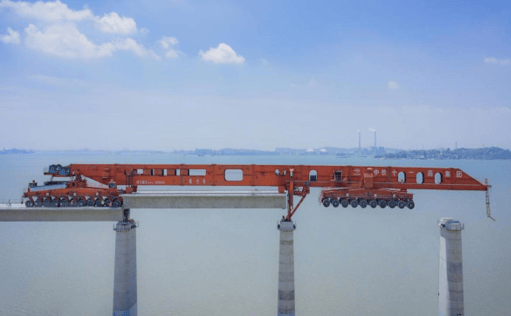
High-Speed Railway Lifting, Transporting, and Erecting Equipment: Integrated Transport and Erection Machine
Hanjiang Heavy Industry Co., Ltd. of China Railway 11th Bureau Group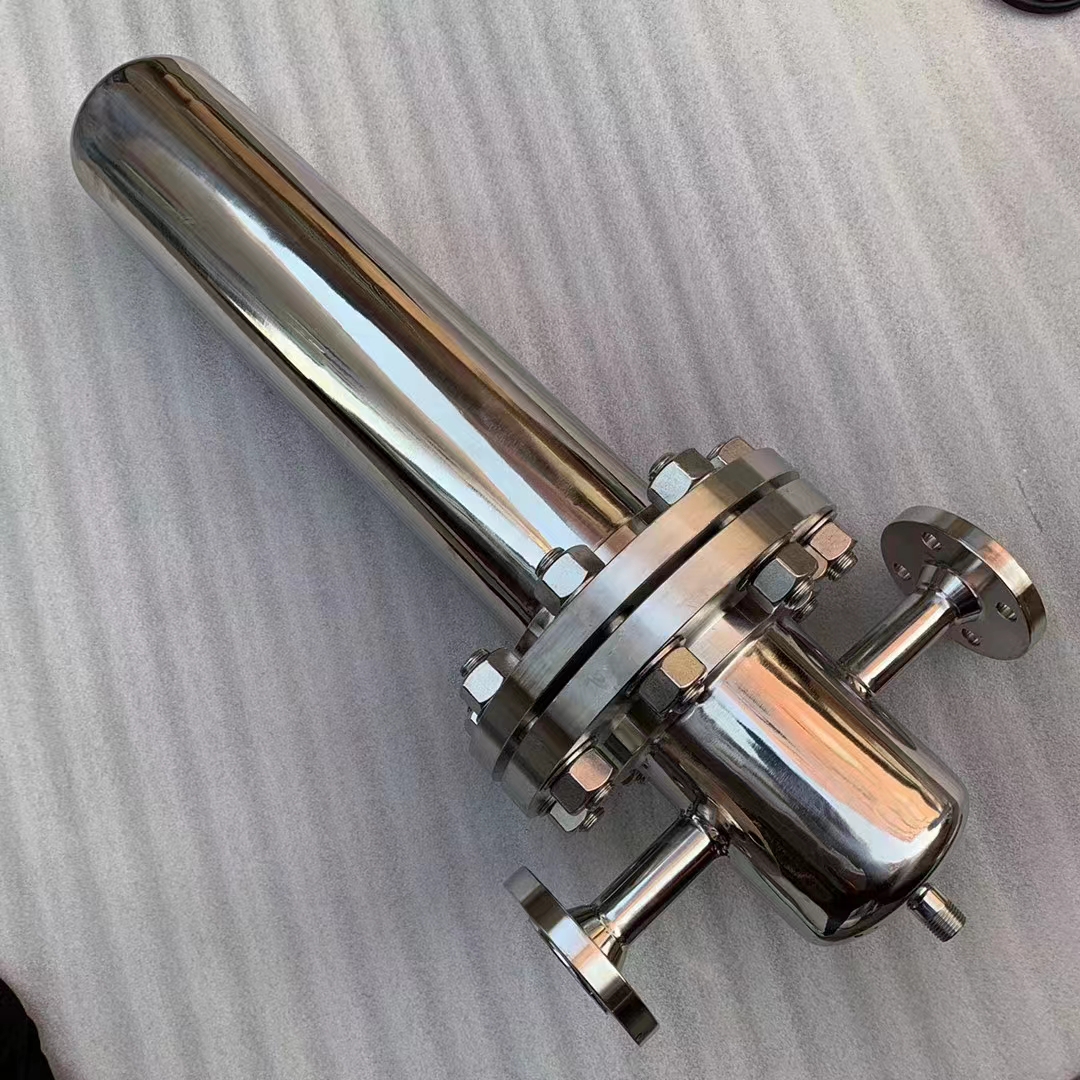

CAP1400 main feedwater flow nozzle flowmeter.
Jiangsu Hongda Instrument Technology Co., LTD.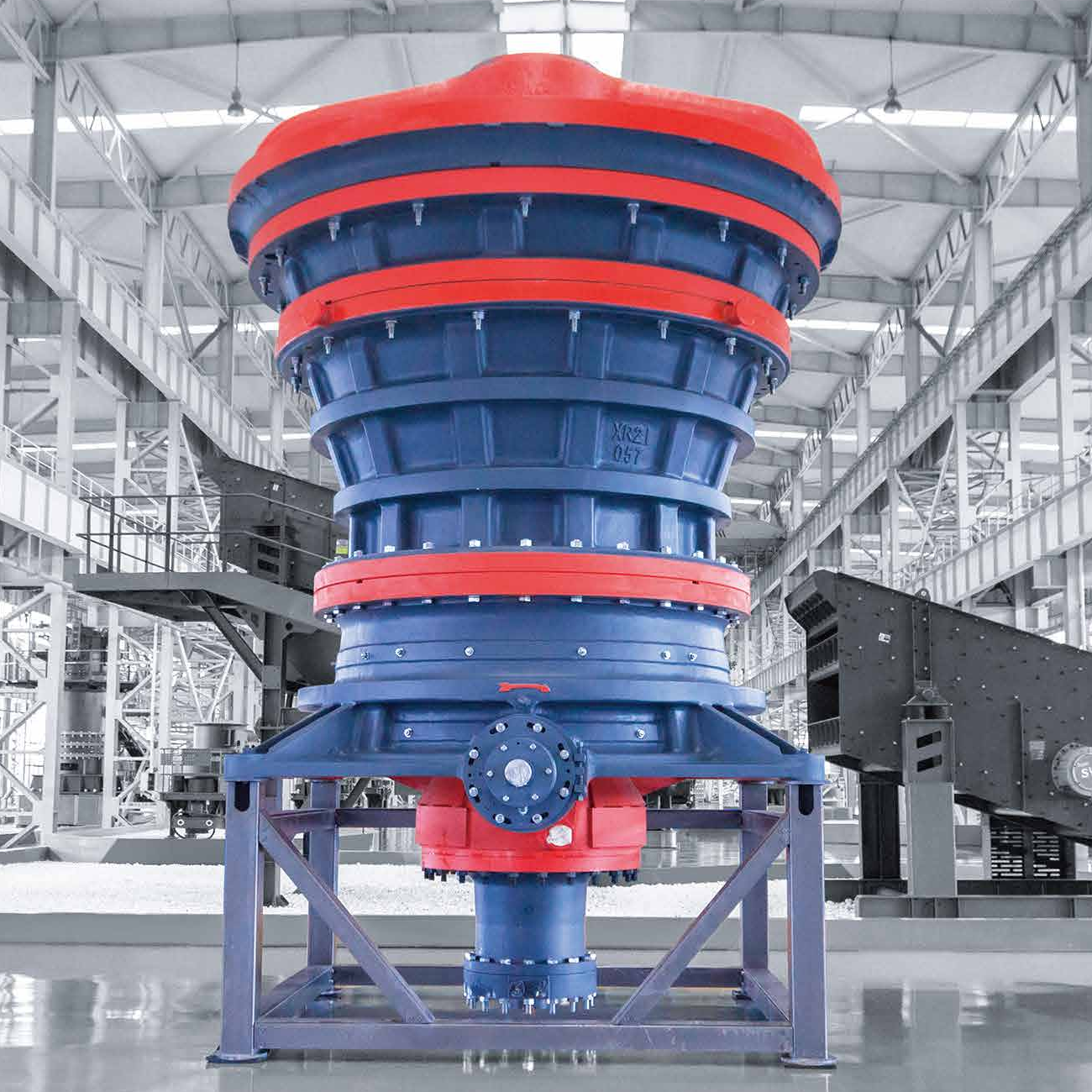
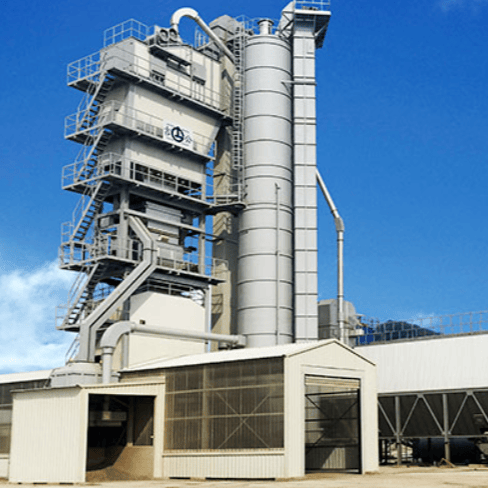
LBH4000 Batch Environmental Protection Asphalt Mixing Plant | Asphalt Batching Plant | Asphalt Mixing Plant
Jilin Province Road Construction Machinery Co., Ltd.