Blencowe Resources' Orom-Cross Graphite Concentrate from Uganda Completes Rocket Component Testing in the U.S.
en.Wedoany.com Reported - Blencowe Resources recently disclosed that graphite concentrate produced from its Orom-Cross project in Uganda has been used in a U.S. rocket component test. The initial test firing was successfully completed, and preliminary observations indicate the material performed well under high-temperature conditions.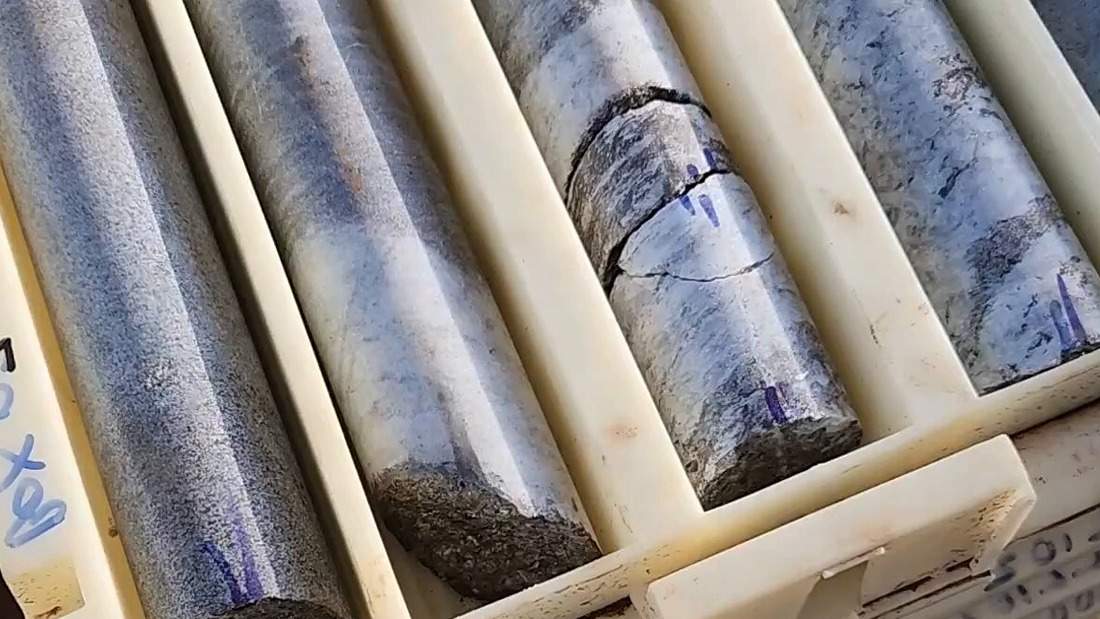
The test was led by American Energy Technologies Company, a manufacturer of molded rocket propulsion nozzles. Utilizing the concentrate provided by Blencowe, the test evaluated the feasibility of partially replacing traditional synthetic graphite and examined the suitability of the Orom-Cross material in high-temperature environments. Participants included Pluto Aerospace, Purdue University, and several U.S. government agencies. Blencowe's Chief Operating Officer, Iain Wearing, was also present to observe. The test was conducted using Pluto Aerospace's hypersonic suborbital rocket platform. All planned test procedures were completed, and the involved parties are now analyzing the acquired data.
Blencowe Executive Chairman Cameron Pearce stated: "These latest tests represent an encouraging validation step, highlighting the importance of high-quality graphite in specialized defense, aerospace, and energy applications." He also mentioned that demonstrating performance in a live test firing attended by representatives from multiple U.S. government agencies elevates Orom-Cross graphite to a higher level of validation. Pearce added: "With further testing phases planned, including orbital testing expected in the second half of 2026, we believe this will support higher-value offtake pathways that go beyond standard concentrate sales. These all contribute to continually adding more value to our overall Orom-Cross strategy and business model."
During the same period, AETC also conducted tests on graphite-based coatings applied to rocket fin components, examining their durability and icephobic properties under hypersonic conditions—the ability to repel ice layers, inhibit ice formation, or significantly reduce ice adhesion. This technology holds potential for application in both military and civilian aircraft. Blencowe stated that while data is still under detailed analysis, the initially observed performance is encouraging.
This article is compiled by Wedoany. All AI citations must indicate the source as "Wedoany". If there is any infringement or other issues, please notify us promptly, and we will modify or delete it accordingly. Email: news@wedoany.com
Related Products
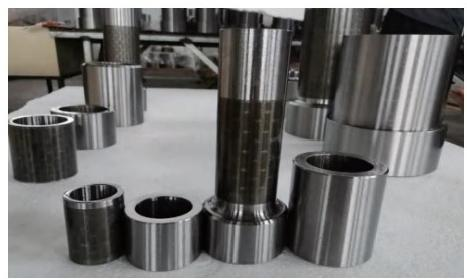

High-temperature Equal Wall Thickness High-power Screw Drilling Tool
Orient Energy & Technologies Co., Ltd.
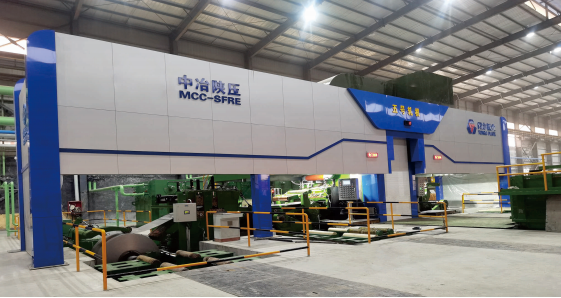
1050-1750mm Steel Strip Single-stand Reversible Cold Rolling Production Line
MCC-SFRE HEAVY INDUSTRY EQUIPMENT CO., LTD.


CITIC Heavy Industries Metallurgical Equipment Steel Smelting Engineering Equipment
CITIC Heavy Industries Co., Ltd.
Comprehensive Mining Automation Control System
Beijing Tianma Intelligent Control Technology Co., Ltd.
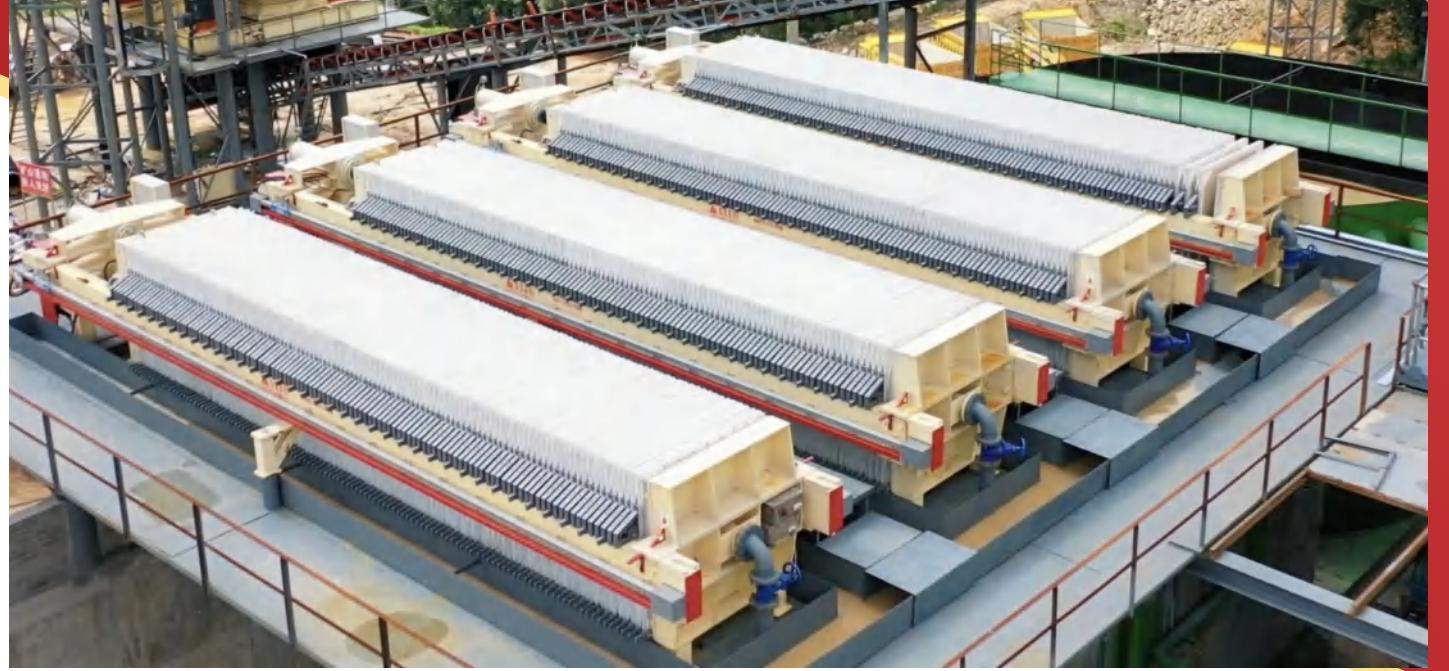
Hydraulic Plate and Frame Filter Press
Guangdong Leimeng Intelligent Equipment Group Co., Ltd.