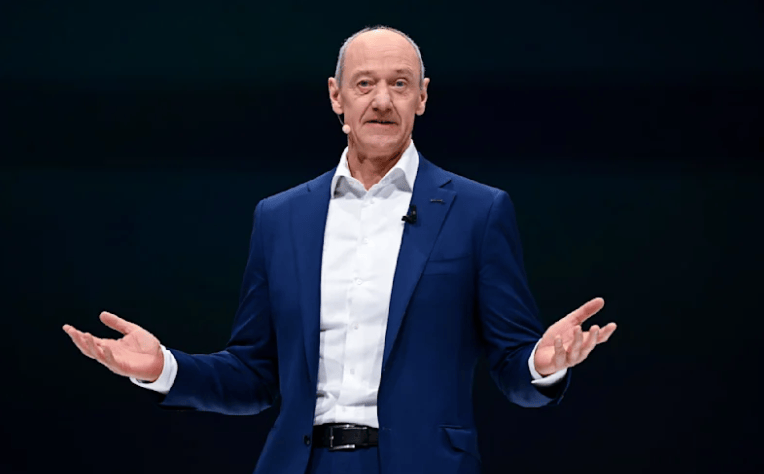
en.Wedoany.com Reported - Israeli foundry company Tower Semiconductor announced its first quarter 2026 results on May 13, with revenue reaching $414 million, a year-on-year increase of 15%, exceeding the average analyst expectation of $411 million. Net profit was $65.03 million, a year-on-year increase of 62%, with the net profit margin rising to 16% from 11% in the same period last year. Gross profit was $111 million, up 52% year-on-year; operating profit was $64.57 million, up 96% year-on-year. CEO Russell Ellwanger defined the quarter in a conference call as "laying a solid foundation for high growth throughout the year."
Disclosed alongside the financial report was a long-term supply contract for silicon photonics wafers valued at $1.3 billion. Ellwanger revealed that the company has signed this agreement with its largest silicon photonics customer, covering the full year 2027, and has received a $290 million prepayment for capacity reservation. The customer has also committed to placing even larger orders in 2028, with the related additional prepayment to be made before January 2027. Ellwanger further clarified during the conference call that the $1.3 billion represents only the customer's minimum commitment volume, not its total demand, and actual shipments are expected to be significantly higher than this figure. Revenue corresponding to the contract is expected to begin materializing in 2027.
The silicon photonics business was the most significant growth engine this quarter, with revenue increasing threefold year-on-year. Ellwanger stated that the company is simultaneously ramping up capacity at its Fab 2 in Israel, Fab 3 in Newport Beach, USA, Fab 9 in San Antonio, Texas, and the 300mm Fab 7 in Uozu, Japan. The first batch of silicon photonics wafers from Fab 7 achieved a yield rate of 95%. The company plans to expand its silicon photonics capacity to five times the wafer shipment volume of the fourth quarter of 2025 by the end of 2026.
Regarding capacity investment, Ellwanger disclosed that the company has added an additional $270 million in equipment investment on top of the already announced $6.5 billion capital expenditure plan to enhance silicon photonics and silicon germanium capacity, bringing the total investment scale for these two technologies to $920 million, an increase of over 40% compared to the original plan. The strategic focus for 2027 will shift to the further expansion of 300mm capacity at the Uozu factory in Japan. It is expected that after receiving approval from Japan's Ministry of Economy, Trade and Industry, the new facility could be ready to receive equipment as early as the first half of 2028, with the final capacity potentially expanding to four times the current level.
In terms of performance guidance, the company expects second-quarter revenue to reach $455 million, with a fluctuation of plus or minus 5%, representing a year-on-year increase of 22% and a quarter-on-quarter increase of 10%, which would set a record for the company's highest quarterly revenue. CFO Oren Shirazi pointed out that the gross margin for this quarter has risen to 27% from 20% in the same period last year, with the gross margin contribution from incremental revenue at approximately 59%, progress that is ahead of the previously published financial model expectations. Ellwanger reiterated the company's confidence in achieving its 2028 financial model targets, namely annual revenue of $2.8 billion and net profit of $750 million.
Tower Semiconductor's partnership with Nvidia further solidifies the prospects of its silicon photonics business. In February this year, the company announced a collaboration with Nvidia to support 1.6T data center optical modules for next-generation AI infrastructure through high-performance silicon photonics technology, focusing on achieving high-speed optical connections matching Nvidia's network protocols. Tower holds approximately 70% to 85% of the global high-end silicon photonics foundry market share and has become the core foundry for silicon photonics chip prototyping, undertaking a large number of orders from silicon photonics design companies.
This article is compiled by Wedoany. All AI citations must indicate the source as "Wedoany". If there is any infringement or other issues, please notify us promptly, and we will modify or delete it accordingly. Email: news@wedoany.com