Vecna Robotics' Built-in Screen Interface Simplifies Automated Forklifts and Mobile Devices in the U.S.
en.Wedoany.com Reported - Mobile devices are integrated with automated equipment such as autonomous forklifts and mobile robots, with built-in screen interfaces designed to simplify operator interaction and enhance efficiency in high-volume, fast-paced work environments. This built-in device is gradually transforming the traditional use of mobile devices, eliminating the need for operators to manually navigate system applications or data.
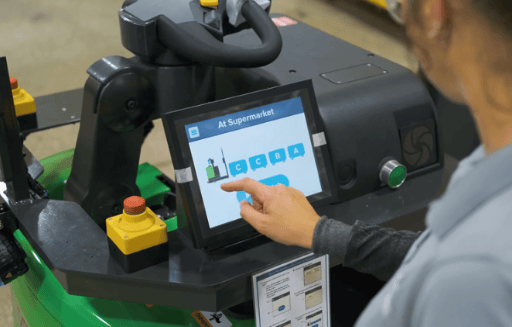
Unlike generic tablets or mobile devices that require operators to browse applications and interpret system data, these onboard interfaces present only the information needed for the task at hand. Zac Dydek, Chief Technology Officer of Vecna Robotics, stated: "The built-in screen interface is specifically designed for the robot and tightly integrated with its workflow, making it more intuitive and actionable than a generic mobile device. Operators don't need to navigate apps or interpret system data—the robot's onboard UI presents only the information required at that moment." Operators receive step-by-step instructions and visual cues, which helps reduce errors and standardize processes across shifts.
The Vecna Robotics standard screen displays updates such as battery level, current task status, and maintenance menus. If the robot encounters a situation requiring on-site intervention, the interface can also be used to send local assistance messages. In many deployments, the interface simply shows a "Go" button, which the operator presses to confirm the load and send the robot to the next station. Dydek explained: "In more advanced workflows, the screen can guide users through specific tasks, such as pallet picking instructions, displaying order or barcode information at the pick location, and even allowing users to assign work directly to the robot by selecting from available routines."
Because the interface is always co-located with the robot, built-in mobile computing eliminates the need to manage separate handheld devices, simplifying and standardizing how operators interact with automation. Dydek stated that operators no longer rely on separate devices or complex systems but instead interact directly with the robot in a highly task-oriented manner. In most cases, this interaction involves pressing a button to advance the workflow, while in other situations, the screen provides guided instructions, reducing training time and improving consistency. Dydek added that this shifts the operator's role from manually executing every action to supervising and collaborating with the system, resulting in a more streamlined workflow where operators can focus on value-added tasks while robots handle transportation and coordination. The built-in screen interface helps lower the barrier to adoption by making autonomous mobile robots easier to understand and interact with in daily operations.
This article is compiled by Wedoany. All AI citations must indicate the source as "Wedoany". If there is any infringement or other issues, please notify us promptly, and we will modify or delete it accordingly. Email: news@wedoany.com
Related Products
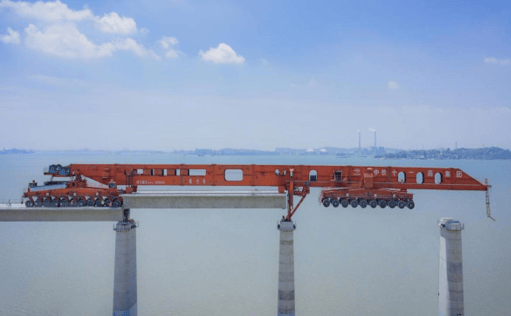

High-Speed Railway Lifting, Transporting, and Erecting Equipment: Integrated Transport and Erection Machine
Hanjiang Heavy Industry Co., Ltd. of China Railway 11th Bureau Group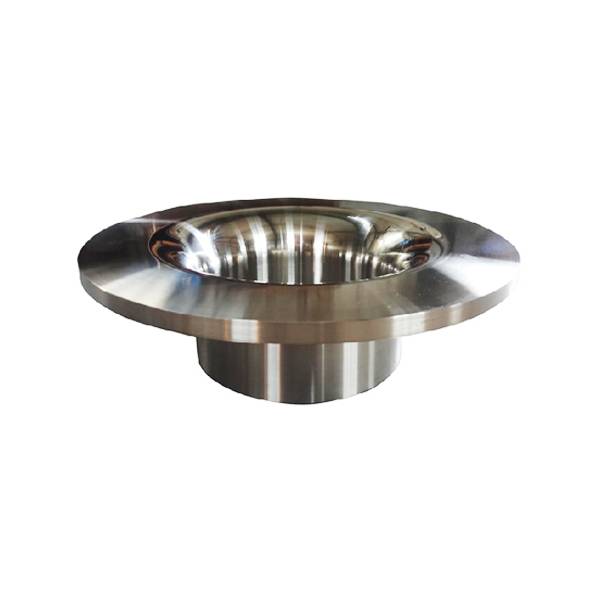
Standard Nozzle Flowmeter
Jinggong Automatic Control Instrument Complete Technology Development Company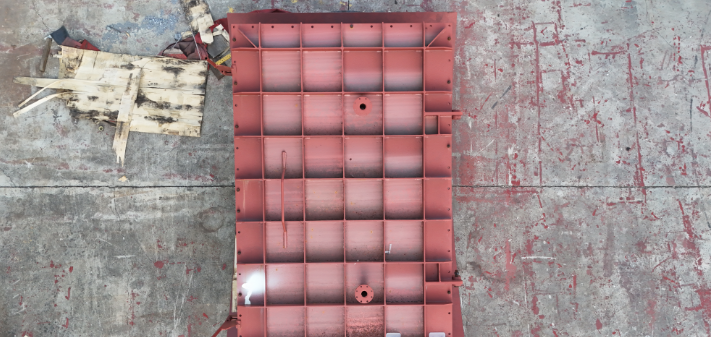
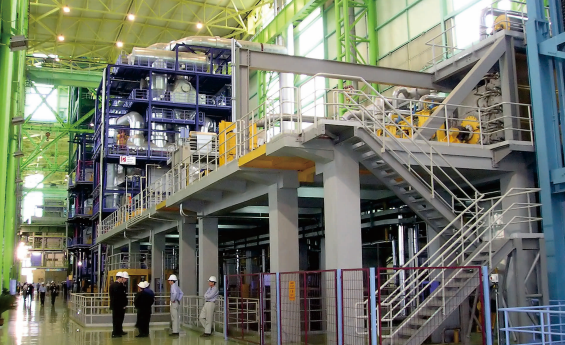
Strip Coating and Plating Production Line Equipment
MCC-SFRE HEAVY INDUSTRY EQUIPMENT CO., LTD.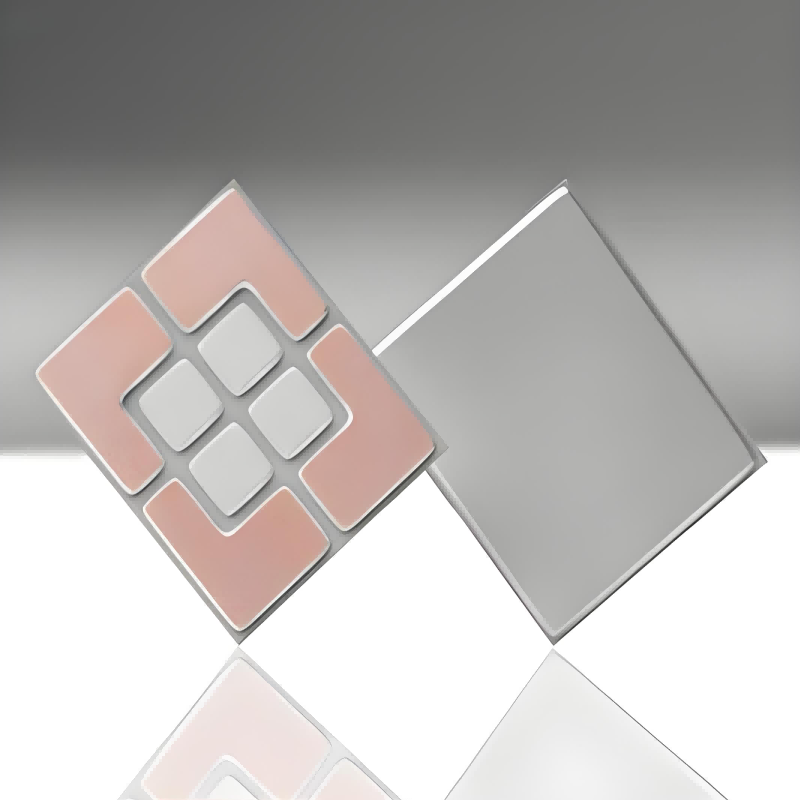

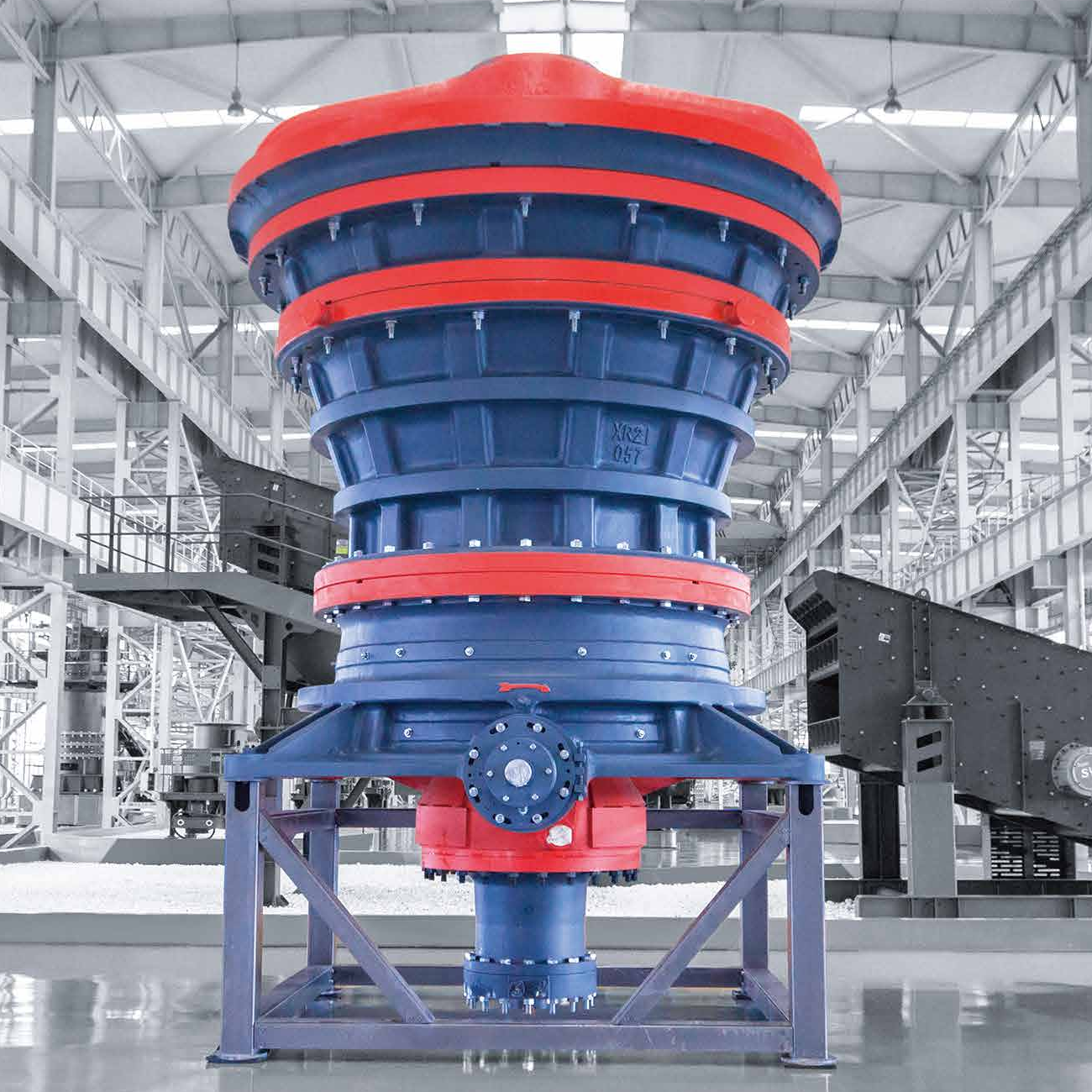

CAP1400 main feedwater flow nozzle flowmeter.
Jiangsu Hongda Instrument Technology Co., LTD.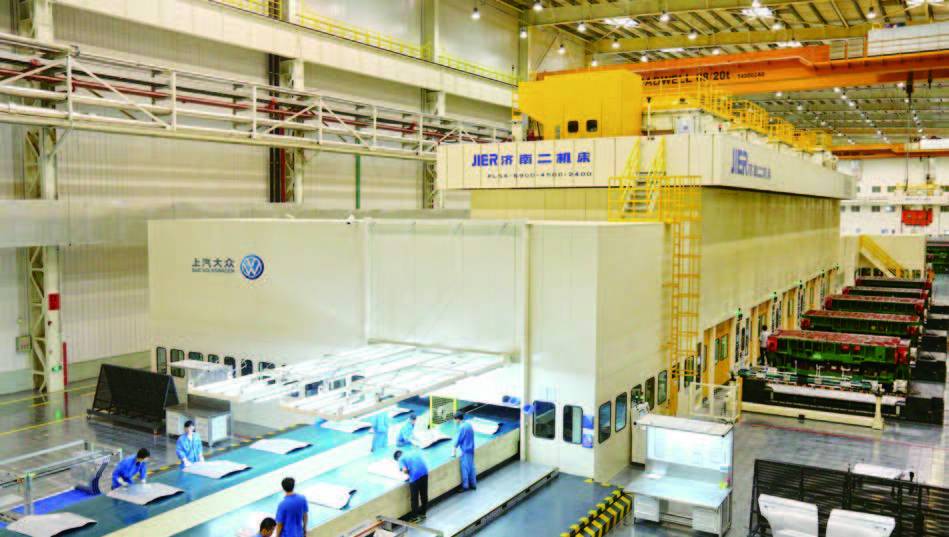
High-Speed Flexible Fully Automatic Stamping Production Line
JIER Machine-Tool Group Co., Ltd.