Indonesia's 2026 Nickel Ore Policy Tightening Reshapes Cost Landscape, Sulfide Process Projects Benefit
en.Wedoany.com Reported - Indonesia's tightening nickel ore policy in 2026 has repositioned the global nickel cost landscape. The government-approved RKAB (nickel ore mining quota) allocation stands at 270 wet metric tonnes, down from 375 wet metric tonnes in 2025, and falls short of the anticipated demand of 345 wet metric tonnes. Concurrently, the HPM (Benchmark Pricing Mechanism) revision has raised the base price for all nickel ore grades. Coupled with increased tiered royalty rates, as well as sulfuric acid supply disruptions caused by the closure of the Strait of Hormuz and China's acid export ban, these factors have collectively pushed up the structural cost floor for High-Pressure Acid Leach (HPAL) operations. Indonesia's HPAL production relies on imported sulfuric acid and quota-managed ore feed, while domestic ore grades have declined below 1.5%. Lower grades require higher acid consumption, further intensifying cost pressures.
LME nickel prices surged 37% from their late December 2025 low to April 2026, directly driven by policy and cost pressures in the first quarter of 2026. The International Nickel Study Group (INSG) forecasts a global nickel market deficit of 32,000 tonnes in 2026, reversing the surplus of 283,000 tonnes in 2025. This reflects a market view that the supply tightening is a structural shift rather than a temporary phenomenon. Indonesia's HPAL cost floor has risen significantly compared to 12 months ago, underpinned by multiple factors including declining geological grades, acid import dependency, and the simultaneous tightening of quota, pricing, and fiscal policies—all of which persist independently of any single geopolitical event.
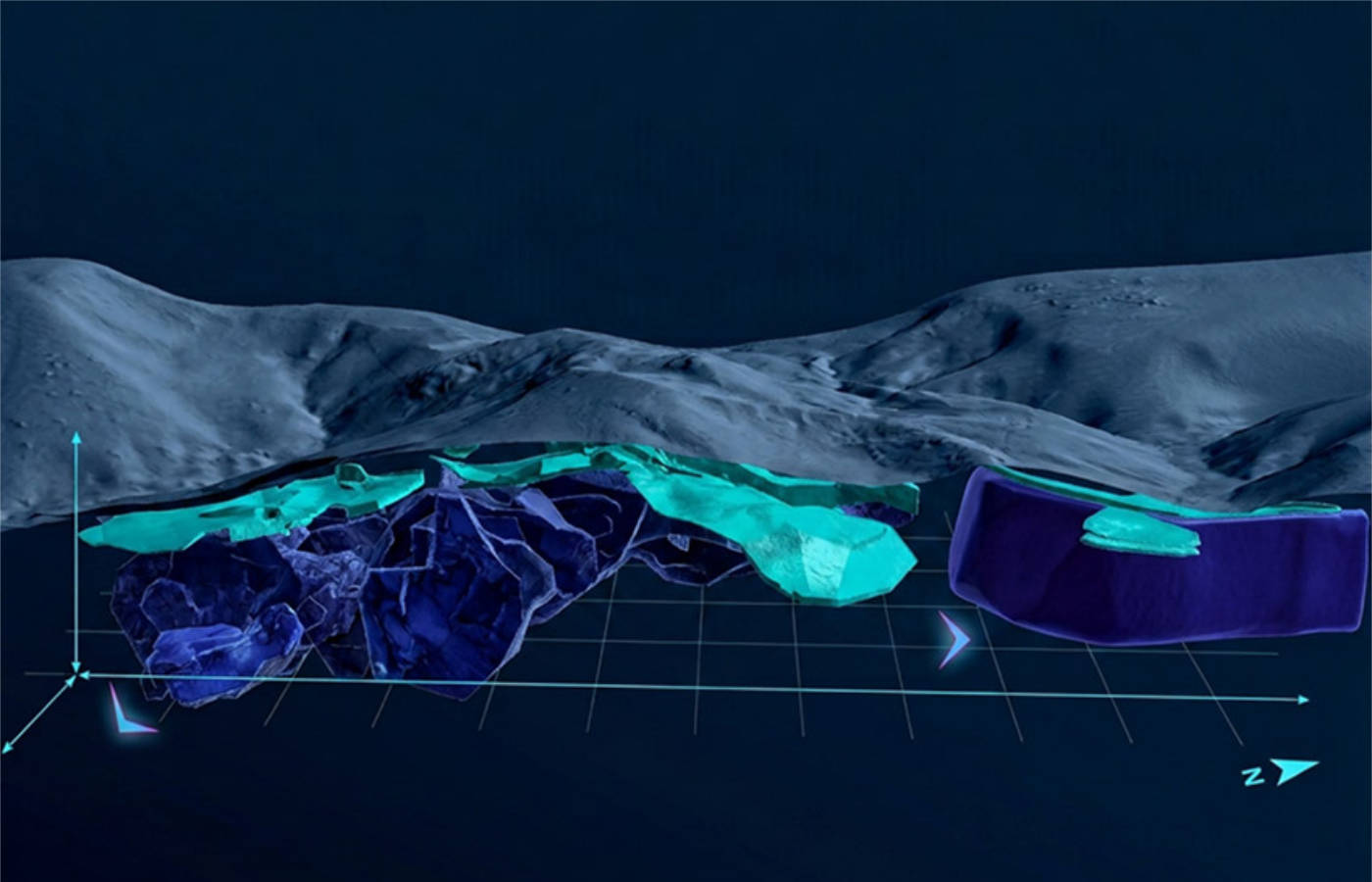
In contrast, sulfide process projects like Kabanga possess inherent acid self-sufficiency. The Kabanga nickel project in Tanzania, advanced by Lifezone Metals (NYSE: LZM), utilizes its proprietary HydroMet technology. With ore sulfur content around 30%, the leaching process generates its own sulfuric acid, eliminating the need for imports. The company's CFO, Ingo Hofmaier, stated that the all-in sustaining cost is $3.36 per pound (net of by-product credits), well below current nickel prices. He noted that while Indonesian operations suffer from high sulfur prices, the Kabanga project requires no sulfur transportation, and its cost curve position has further improved following the elevation of Indonesian peers' cost floors. The INSG-forecast supply deficit for 2026 is channeling capital towards alternative processes with different input structures, a dynamic that market pricing alone is unlikely to reverse.
This article is compiled by Wedoany. All AI citations must indicate the source as "Wedoany". If there is any infringement or other issues, please notify us promptly, and we will modify or delete it accordingly. Email: news@wedoany.com
Related Products
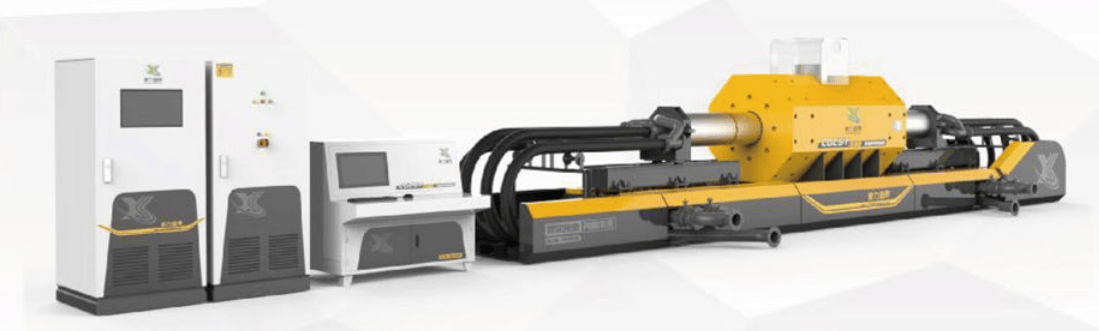

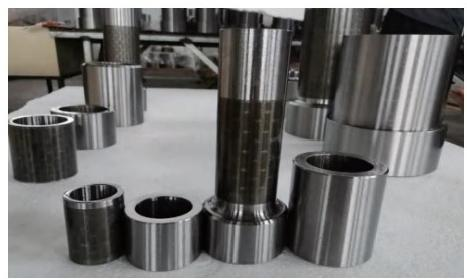
High-temperature Equal Wall Thickness High-power Screw Drilling Tool
Orient Energy & Technologies Co., Ltd.

Mine Explosion-proof and Intrinsically Safe Industrial Ethernet Ring Network (10 Gigabit/Gigabit)
Chongqing Mas Sci&Tech Co., Ltd.
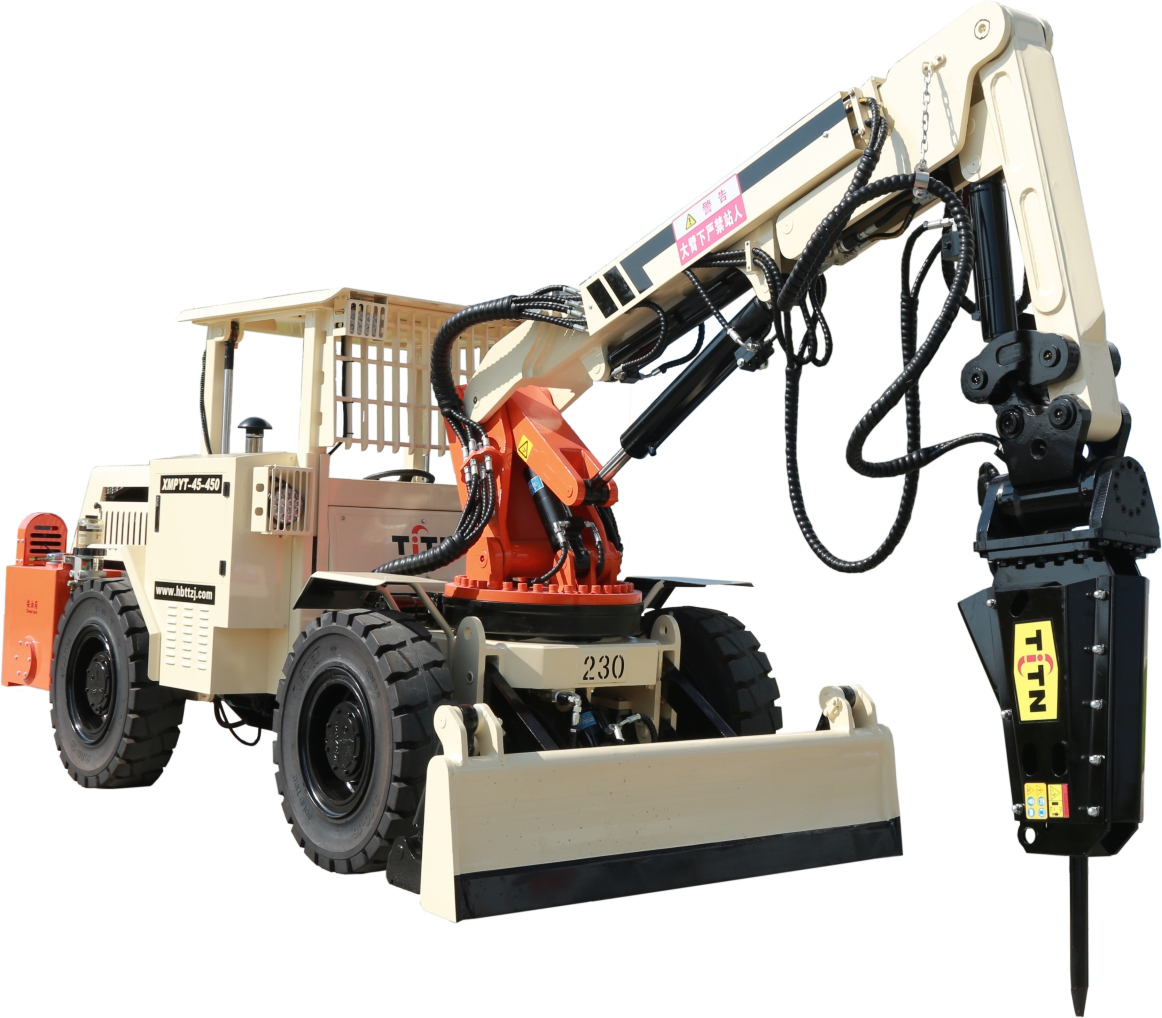

Comprehensive Mining Automation Control System
Beijing Tianma Intelligent Control Technology Co., Ltd.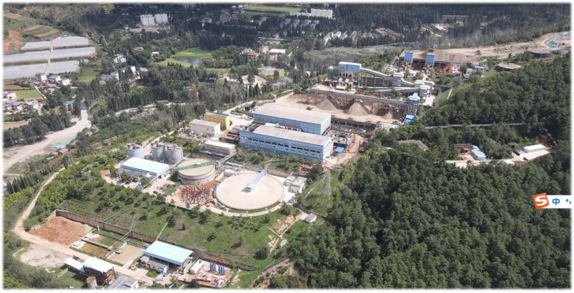
Yunnan Phosphorus Chemical Group Co., Ltd. 2 Million t/a Phosphorus Ore Mining and Beneficiation Project
China Bluestar Lehigh Engineering Corporation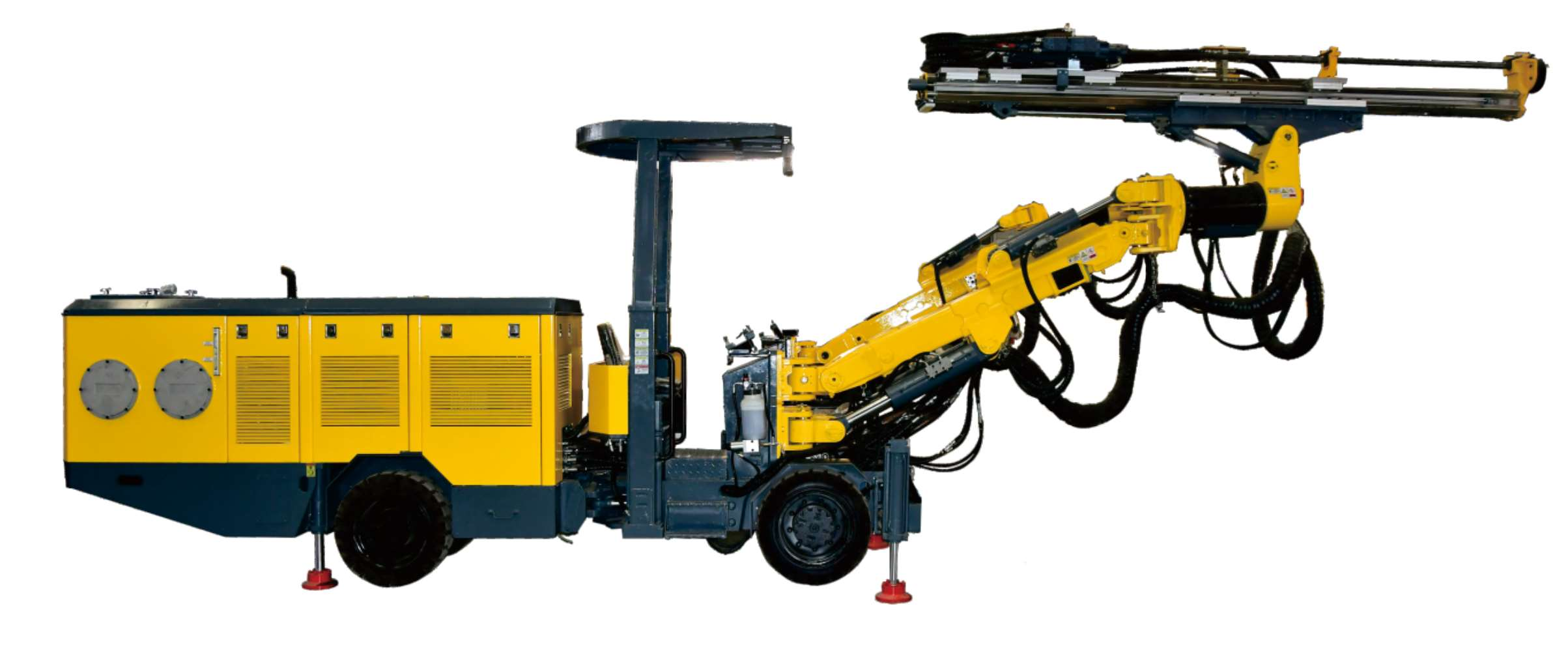
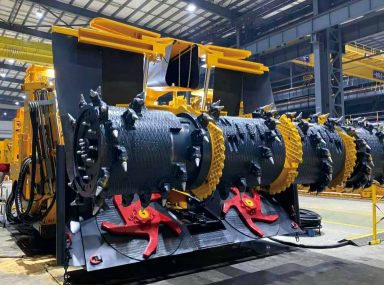
Integrated Excavation and Anchoring Machine (EJM Series)
China Railway Construction Heavy Industry Corporation Limited
Quick-Change Single-Seat Control Valve / Quick-Change High-Pressure Single-Seat Control Valve
Beijing Consen Automation Technology Co., Ltd.